AI Has Leveled the Marketing Playing Field written by John Jantsch read more at Duct Tape Marketing
Catch the Full Episode:
 Overview
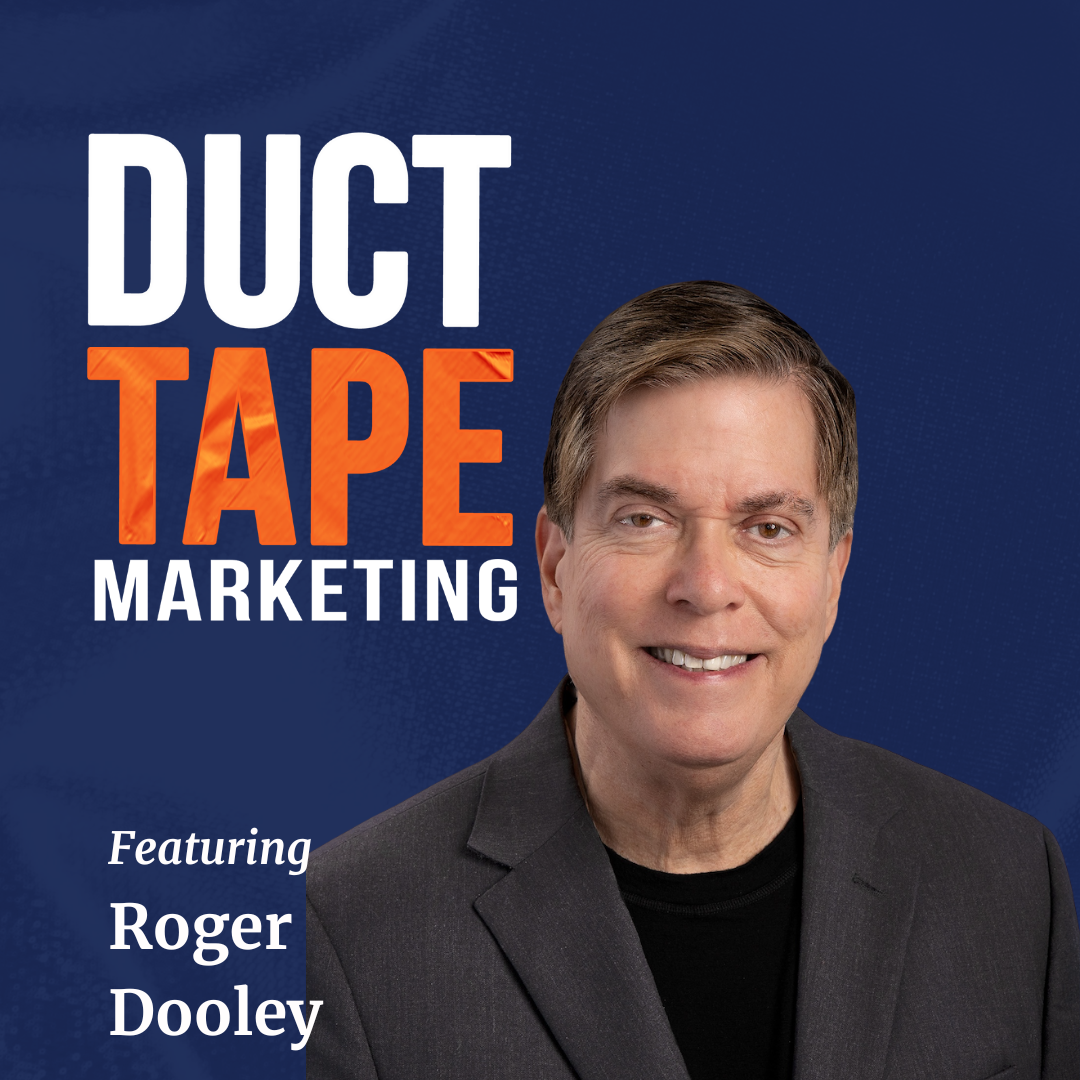
Most small business owners assume neuromarketing and behavioral science are tools reserved for big brands with big budgets. In this episode, John Jantsch talks with Roger Dooley, author of three books on the intersection of brain science and business, about his latest release, The Persuasion Engine. Dooley explains why AI has effectively democratized decades of behavioral science research, giving entrepreneurs and solopreneurs access to the same persuasion principles once locked away in corporate nudge units.
The conversation covers how AI models like Claude, ChatGPT, and Gemini can act as a stand-in for expensive consultants, applying frameworks from Robert Cialdini, BJ Fogg, and Dale Carnegie to everyday marketing tasks such as landing pages, emails, and competitive audits. Dooley also shares research showing AI scoring higher than humans on emotional intelligence tests, and explains what that means for writing customer communications that actually land well.
This episode is for small business owners, marketing consultants, and agency owners who want a practical, low-cost way to apply behavioral science to their marketing without hiring a research team. Dooley closes with a simple framework for running a first behavioral audit using AI in under an hour.
Guest Bio
Roger Dooley is the author of three books exploring the intersection of brain science and business, including his latest, The Persuasion Engine, which shows entrepreneurs and small business owners how to use AI-powered neuromarketing to understand and win customers. Dooley has spent two decades studying neuromarketing and behavioral science, and is known for his work on reducing friction in customer experience. He shares his insights regularly on LinkedIn, where he is most active on social media.
Key Takeaways
- Neuromarketing tools once reserved for large brands, such as eye tracking and behavioral testing, are now affordable enough for any small business to use.
- AI models can act as a low-cost substitute for a team of behavioral science consultants, applying frameworks from experts like Cialdini, Fogg, and Carnegie to a specific project.
- A 2025 Swiss study found AI models scored higher than humans on emotional intelligence tests, with top models reaching roughly 89 percent compared to an average human score around 60 percent.
- The most common mistake business owners make with AI is failing to give it enough context about their company, customers, and market before asking for output.
- Treating AI as a conversation, rather than a single prompt and response, produces significantly better insights. Pushing back and asking follow-up questions is key.
- Testing the same prompt across multiple AI models (Claude, Gemini, ChatGPT) can surface better results than relying on just one.
- AI can be used to run a competitive audit, analyzing competitor websites, reviews, and messaging to find gaps and positioning opportunities.
- Before sending an important customer communication, especially one delivering bad news, running it through AI for an empathy and clarity check can prevent costly missteps.
- Adding the phrase “ask any questions that will help you respond” to a prompt often improves the quality of AI output significantly.
- A first behavioral audit can start with adding company context, sharing existing marketing materials, and asking the AI to identify friction points and missing behavioral principles.
Great Moments
[00:01] – John introduces the episode and guest Roger Dooley, author of The Persuasion Engine
[01:27] – Dooley explains why we have entered “neuromarketing 2.0” as tools become democratized
[03:17] – How AI can apply Cialdini and Kahneman’s frameworks without requiring a thousand pages of reading
[05:19] – Research showing AI models outperform humans on emotional intelligence tests
[06:45] – Building an AI-powered “team of experts” using models like Claude or Gemini
[09:11] – A real example: using AI to audit a hypothetical pool service company’s competitors
[11:12] – How to give AI context so it reflects your brand voice rather than a generic tone
[16:09] – Why AI is surprisingly effective at predicting how humans will emotionally react to a message
[17:45] – The Duolingo CEO letter example and how good intentions can still land badly
[19:45] – Dooley’s framework for running a first behavioral audit in under an hour
Memorable Quotes
“AI is surprisingly good at predicting how humans will feel about a message, even though it can’t feel anything itself.” — Dooley
“It’s far better to do that as a conversation where you probe and you push back on it, because AI wants to please you and it’ll give you answers you don’t like.” — Dooley
“Most commonly it is not providing enough context, for one, about the company, the customers, the marketplace.” — Dooley
“You can create, using an AI model like Claude or Gemini, a team of your top experts, whoever you think are the most relevant to your particular project.” — Dooley
from Duct Tape Marketing https://ift.tt/TpOY1tw
via IFTTT
