Thursday, March 28, 2019

Should You Outsource Content Marketing? 11 Questions to Consider

content marketing

It’s something that everyone needs to consider at some point as they become more successful.

Do you continue to do certain work yourself?

Do you hire someone to help you out?

Or do you outsource it?

There are many areas like this in any business, but one in particular is content marketing.

Creating and promoting content, especially for a new site, is essentially a full-time job.

If you have a small team, you can’t always dedicate a full-time person to content marketing efforts.

What ends up happening is that it is ignored or it’s done on a limited basis.

Without consistency, you’re much less likely to see the full results of great content.

Regardless of your specific situation, there will come a time when you will lack the time or manpower to execute content marketing properly.

So, what do you do then?

In most cases, you will have to decide whether you want to outsource your content marketing.

This is not an easy decision.

To help you make it—and make the correct one—I’ve compiled a list of 11 questions you should consider and answer.

Some of these questions are meant for potential hires, and some are meant for yourself.

I highly recommend opening up a blank spreadsheet and at least jotting down your answers to each question. 

1. Does anyone on your team have the skills you need?

Content marketing can be incredibly effective.

I’ve driven millions of visits and tens of thousands of customers using it for my various websites/businesses.

That being said,

it’s not easy.

In order to be successful in content marketing, you need to have a wide variety of skills. And you can’t just be average either; otherwise, you’ll get lost in the crowd.

If you really want to break it down, you could highlight 12+ skills that a great content marketing team needs:
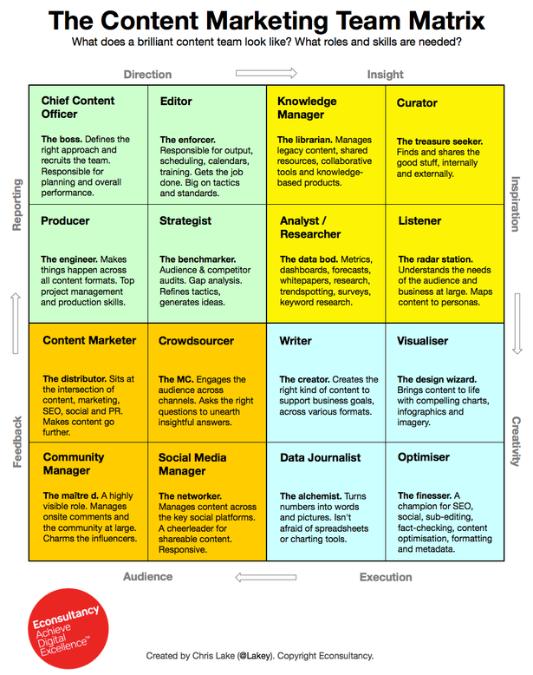
image02

Obviously, one person can have more than one skill from this list.

The best content marketers have all, or nearly all, of these skills.

I think that you can simplify it even further. Content marketers need to be highly skilled in three areas:

  • Writing
  • Domain expertise – are you an expert in the subject you’re writing about?
  • Networking skills – do you know how to promote effectively?
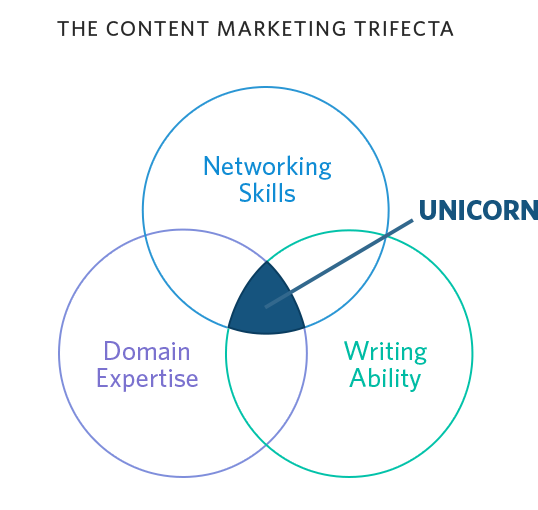
image16

It’s not very difficult to find someone with one of these areas covered.

But it’s pretty hard to find someone with two of these, and it’s even more difficult to find someone with all three. That makes a “unicorn” in the diagram above a top content marketer.

They do exist, but you need to find them.

The fact of the matter is that you’re unlikely to have one of them on your team already.

In a recent survey, 42% of companies said that they currently did not have the expertise to use content marketing effectively.
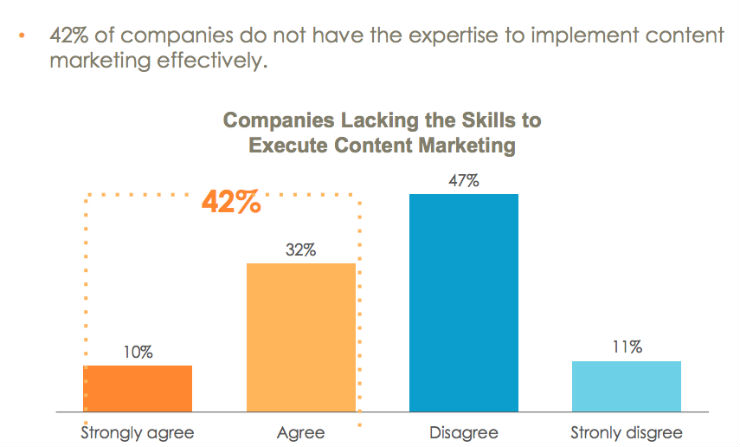
image04

They’re not even just talking about one person having the necessary skills. These companies couldn’t find all the skills within their whole teams.

That’s how difficult it is to assemble a great content marketing team.

So, this is your first question:

Do you—or anyone on your team—have the skills and experience with content marketing to be successful?

If the answer is no, then you have no choice. You’ll either have to bring in someone new or outsource your content marketing.

If your answer is yes, you do have a choice.

Then, you’ll have to determine if it’s worth having them spend their time on content marketing while taking away from other areas of your business.

Many of the remaining questions will help you determine this.

2. What kind of budget do you have for content marketing?

Like with any other kind of marketing, the more you have to spend on content marketing, the better your results will typically be.

Since your content needs to be head and shoulders above your competition to be effective (here are some examples of epic content), it makes sense to spend as much as you can.

I’m not talking about throwing away money, but don’t pinch pennies when it comes to things like graphics and research.

In a 2015 survey, it was found that on average, B2C marketers spent 25% of their total budget on content marketing.
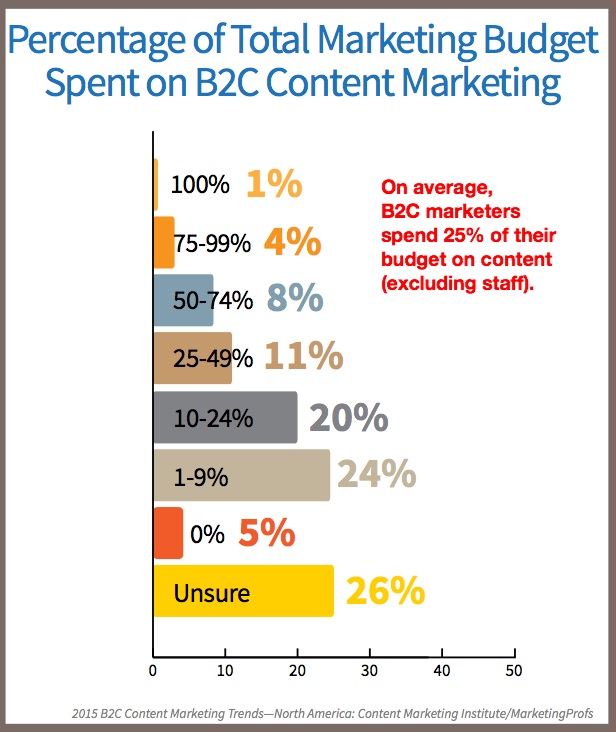
image12


I’d say that if you have no experience with content marketing, that’s a good ballpark target.

If you have a lot of success, you can scale up your budget in the future.

I expect those percentages to continue to rise in the coming years. Another recent survey found that most businesses (60%) are increasing their content marketing spending.

image03

Very few are decreasing their investment, which suggests that even mediocre content marketing efforts are getting some results.

Your budget will determine your options: If you have a very limited budget for content marketing, say $1,000 or less per month (and I’m including the creator’s time in that figure), you won’t be able to hire a good agency.

Typically, you’ll need to be spending at least a few thousand before an agency will take you on as a client.

However, for that amount, you could hire a freelancer. Assuming they produce really good pieces of content, you’ll be able to publish 1-2 pieces per month.

That’s not a lot, but it can get you started. Also keep in mind that if you want extensive content promotion, it’ll cost even more.

If you have a larger budget to work with, you have all options available to you, and this won’t be a limiting factor.

If that’s the case, base your decision on your answers to the other questions.

3. Would you rather work with freelancers or agencies?

If you do decide to outsource your content marketing, this is a huge decision that you’ll have to make.

You can work with freelancers, or you can hire an agency.

image14

They can both be good options, but each has their own strengths and weaknesses.

If you’re not familiar with the terms, a freelancer is someone who is self-employed and generally works for multiple clients at the same time.

An agency, on the other hand, is more “professional.” They’ll have a full staff of at least three employees and typically have a wide variety of clients.

Price comparison: Here’s where your budget limitations might come in.

When you’re hiring freelancers, cost is all over the board. In general, you will pay less to a freelancer for the same work than you would pay an agency because the freelancer has less overhead.

However, there is a huge range in what freelancers charge.

Most of it depends on what you’re looking for.

Currently, you’ll have a tough time finding a great freelance content marketer unless you’re willing to pay more than $100 an hour (that’s the low end).

The best freelance content marketers can charge upwards of $300 an hour because there is no one else who can do what they can.

These guys know your subject in and out, are great writers, and also have contacts in the industry to help promote the content.

They’re expensive, but they get results.

However, if you can’t afford that, don’t worry. You can go down a tier or two and find freelancers who charge what works out to be $50-100 an hour.

Although they may call themselves content marketers, most are just good writers and know your subject well.

They can still produce valuable work, but expect to hire another freelancer for promotion or to do it yourself.

What about agencies? Any good agency will charge at least a few hundred dollars per hour. They can do this because they offer a lot.

They typically have an expert in every area of content creation and promotion. They’ll have an expert designer, writer, editor, and promoter. Together, the team does everything a top individual content marketer could do (and sometimes more).

In summary: You can usually save a bit by hiring freelancers, but you’ll have to do more work managing them. You can hire both cheap freelancers and agencies, but you’ll get what you pay for.

Quality comparison: There’s a lower bar to entry to become a freelancer than to start an agency.

That means that there is high variance in the quality of freelancers. There are a lot of terrible ones out there, but there are also some top notch ones.

With agencies, you also have variability, but you are less likely to come across a bad one. Most agencies are started by competent freelancers who want to grow their business, so the quality is higher on average.

What does this all mean? It means that you can get a quality result either way. But if it’s crucial that the quality is decent from the start, an agency is a safer bet.

Either way, reviewing their past work is the easiest way to see if they can deliver what you’re looking for.

Dependability: When it comes to dependability, agencies are also a safer bet in general.

Some freelancers are great. They are highly professional, will always put you first, and deliver what they promise every time.

However, others are terrible. They might drop off the map, and you’ll have no way of communicating with them.

Additionally, unless you’re one of their main clients, you risk being dropped without notice or deprioritized when something else comes up.

If you go the freelance route, you need to interview your candidates and try to get a feel for their work ethic and priorities. It’s not easy, but you’ll get better over time.

An agency has at least three people you can contact. It’s rare for them to go completely out of touch. Plus, you will be able to reach them pretty much at any time during normal business hours.

As far as always delivering their work on time, they all will have the same issues. Agencies usually have several or hundreds of clients. Unless you’re a big spender, they’re not going to lose sleep over whether or not you’re happy with them and whether or not you’ll leave.

If you have a smaller budget, it’s often better to hire a freelancer. Even if you can only spend $1,000 a month, that’s a large chunk for a freelancer, but almost nothing to an agency.

The more important you are to someone, the more dependable they will be.

4. How much of your content will contain private/personal data?

There are many different content marketing strategies that can be successful.

Some will get you to the results you’re looking for faster than others.

One aspect of content marketing in particular—transparencyis one of the most effective things you can add to your efforts.

Readers enjoy getting a behind the scenes look and getting more detail in general.

If you’re willing to share company data (that you’re allowed to share), you can increase the chances and speed of success with content marketing. It allows you to provide unique value. No one else has your personal data.

For example, you might talk about your customers.

Dating site Plenty of Fish creates some great blog posts, in which they analyze what kind of profiles get the most and least success on their platform:
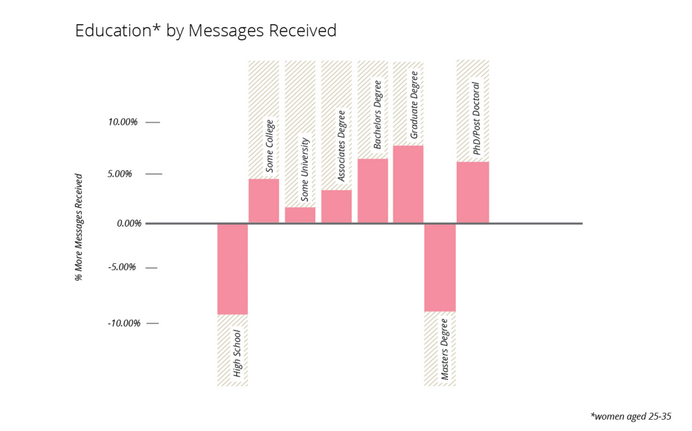
image11


It could also be about the results of your work.

For example, I often share traffic and profit details with you in Quick Sprout posts.
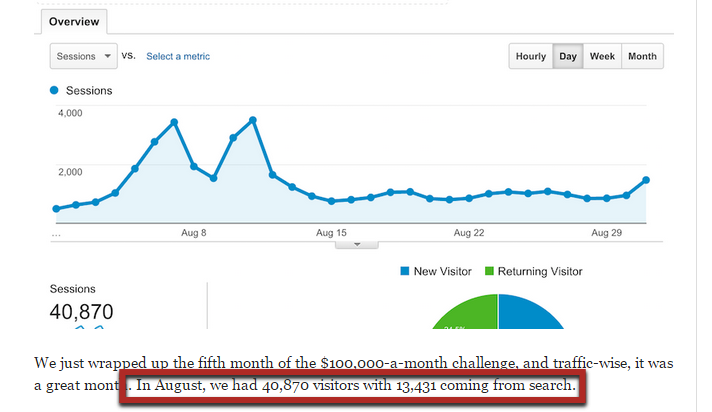
image15

Readers find this valuable, and it increases your credibility in their eyes.

To answer the question of this section—how much of your content will contain private/personal data?—you’ll need to decide whether you have any interesting data to share and whether you’re willing to share it in your content.

The reason why this is so important to decide right now is because it will affect your final decision.

To create these kinds of posts, you need to analyze whatever data you have.

I can’t speak for everyone, but I know that I don’t want a random freelancer or agency digging around my personal data.

I also know that there are some things that I’d rather keep private.

If you decide to reveal personal data, you’ll have to do it yourself. Or you’ll probably want to get someone from your team to do the analysis.

So, while you can hand off the results of your analysis, that still leaves you (or someone you work with) with a lot of ongoing work.

If you’re in a niche where your transparency is really important, this kind of work may be required for almost every piece of content. In this case, you’ll probably want to keep your content marketing in-house.

5. Do they have an area of expertise? Is it relevant?

If you choose to outsource your content marketing, it’s crucial that you hire someone (or some agency) that will get you results.

Just for a second, let’s think about the type of marketers you might need in this situation.

Most of the marketers will have two skills—writing and networking—out of the three main skills we talked about earlier (writing, networking, and domain expertise). Those are, after all, fundamentals of modern marketing.

But the third one isn’t so easy.

To truly gain domain expertise, you need to be studying one specific topic for years. If you market to a particularly sophisticated audience, you’ll need to be even more advanced.

The biggest challenge you’ll face is finding someone who is an expert in your niche.

It’s very rare for someone to both be an expert in a niche and also have the necessary marketing skills.

Wade through the “generalists”: If you decide to hire freelancers, you’ll find a lot of content marketers who say that they can market any business.

The fact that they think so shows that they are not top-level content marketers.

All the best freelancers will have one or two areas of expertise.

When it comes to agencies, it’s a bit different.

A large agency may have content creators who are experts in several niches. However, small- to mid-size agencies who are generalists face the same problems.

Their content will not be worth what you pay.

Instead, you should look for specialists in your niche.

For example, “Gourmet Marketing” is a small agency focused on content marketing for restaurants:

image13

That alone doesn’t mean that they’re a good agency, but at least it tells you that they understand your industry and recognize that domain expertise is important.

6. What will their content marketing process look like?

Stick around in the marketing world long enough, and you’ll start seeing buzzwords everywhere.

They’re not exactly bad. They just don’t mean a whole lot.

Some people will use these words to sound smart in order to convince you to hire them.

The easy way to screen them out is to simply get more details.

When someone mentions “content marketing,” it can mean anything. Everyone has their own picture of what it is.

One of the biggest goals of any interview you conduct should be to figure out what your candidate’s definition of content marketing is.

More specifically, how do they plan to help you?

You should be looking for specific answers that address:

  • how they will determine how much content is needed
  • how they will determine which type of content is needed
  • who will be creating the content
  • how they will encourage engagement and ensure growth over time

The two biggest challenges in content marketing are creating enough content and creating engaging content.
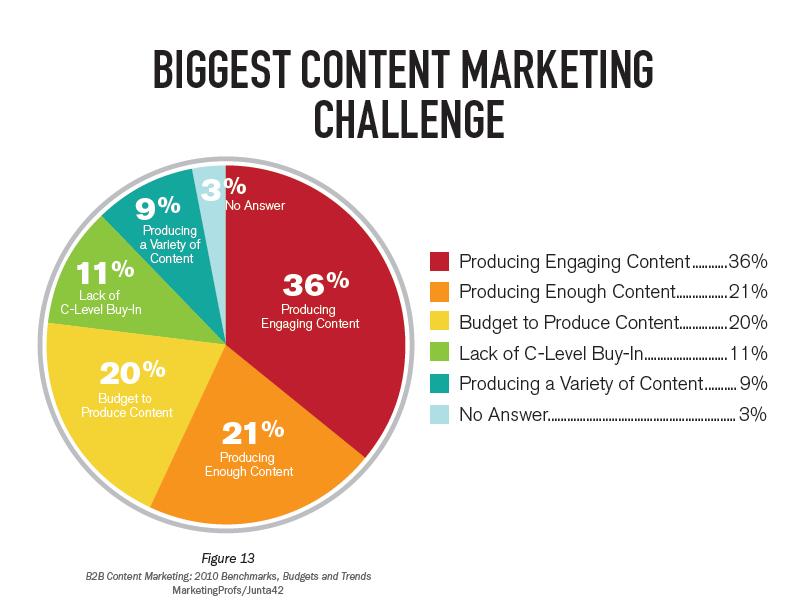
image09

You need to get as much detail as necessary so that you are confident that they have the systems (manpower plus processes) in place to create content regularly with no delays, and make it engaging.

If they try to dance around the subject, move on to the next candidate.

While you shouldn’t expect specifics, all freelancers or agencies should be able to outline the main stages of their work for you.
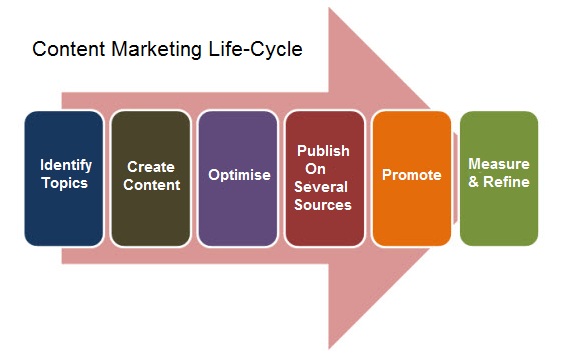
image00

They won’t have all the small details worked out, of course.

But if someone is a good marketer, they’ll have already done some preparatory work before talking to you and should have an idea of how to approach content marketing for your business.

7. How will they measure success?

Just like everyone has a different definition of content marketing, everyone also has a different definition of success.

In order to have a good working relationship, you need to establish reasonable guidelines for success beforehand.

If your expectations don’t match up, at least one of you will be frustrated.

It’s entirely possible for a freelancer to be thrilled that they produced X pieces of content or attracted Y links to your blog posts—and for you to be underwhelmed by those results.

Or you may not care about the same things that the freelancer or agency cares about.

If you’re most interested in email subscribers, raw traffic numbers don’t always matter much.

Before you agree to work together, determine which metrics you care about.

Make sure to go through why you care about each and what level for each metric you would consider “good.”
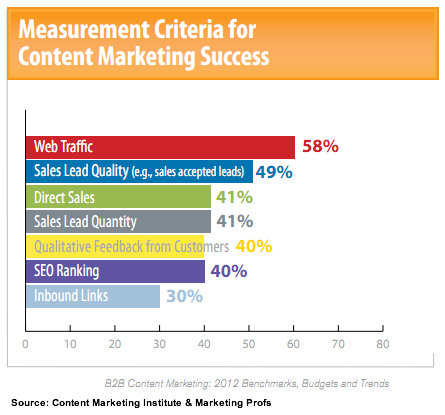
image07

When you discuss your expectations, you will see whether you have any differences with the other party.

If they think your expectations are unreasonable, they can tell you why, and you can discuss the subject until you agree on reasonable expectations around their work.

If you can’t come to an agreement now, consider yourself lucky that you found out early that you aren’t compatible. It will save you a lot of stress and frustration in the future.

8. Do they give any guarantees?

Does this question look familiar?

It’s also a question that you should answer before hiring an SEO firm.

However, while an SEO firm can’t make guarantees about #1 rankings (honestly at least) because that’s out of their control, content marketing agencies and freelancers can make them.

Most freelancers and agencies know that it’s hard for you to commit a decent amount of money every month when the results could take over six months to see.

Most good content marketers (especially agencies) will offer some sort of guarantee of a result after 6-12 months.
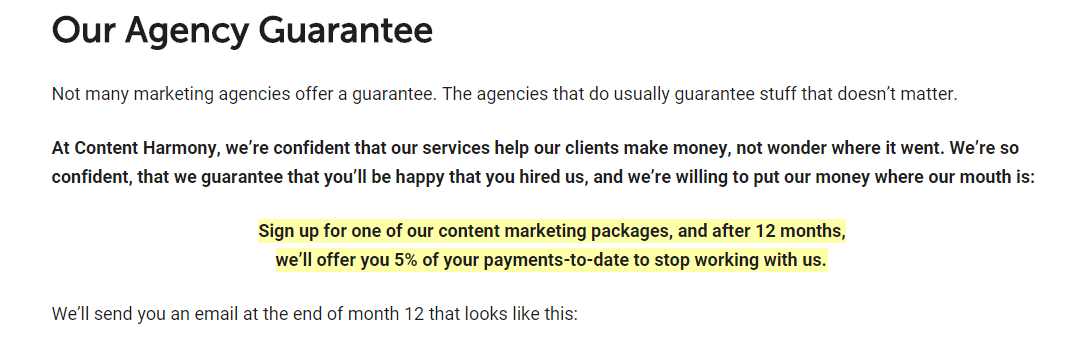
image08

They probably won’t promise X,000 leads per month, but they can promise that you’ll like the work that they’ve done (the content), the way they’ve done it, and the results so far (according to the metrics you’ve agreed on).

By that time, you’ll know if you are getting the promised results and will either be happy with the direction they’re going or know that you want to get rid of your content marketer.

9. How does content marketing fit into your other marketing efforts?

I mentioned that one of the reasons you might want to outsource content marketing is because you have other things to do.

What kind of things might those be?

It could be many things, including the many parts of your sales funnel.
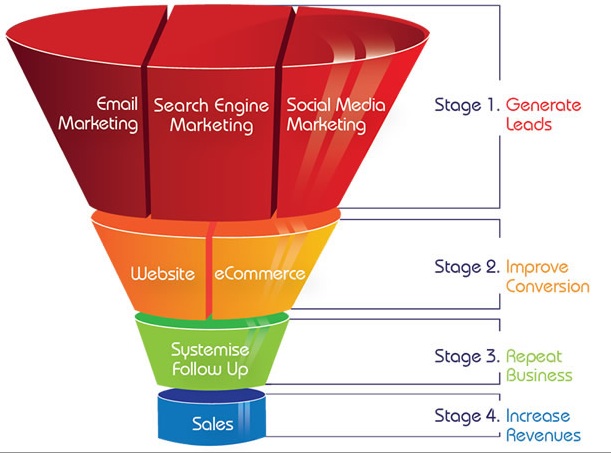
image01

Your most important job is to make sure that everything fits together smoothly.

There’s no point spending all your time and attention on content marketing if your products still need work.

Before you even think about hiring anyone to help you, get a good picture of how content marketing fits into your business.
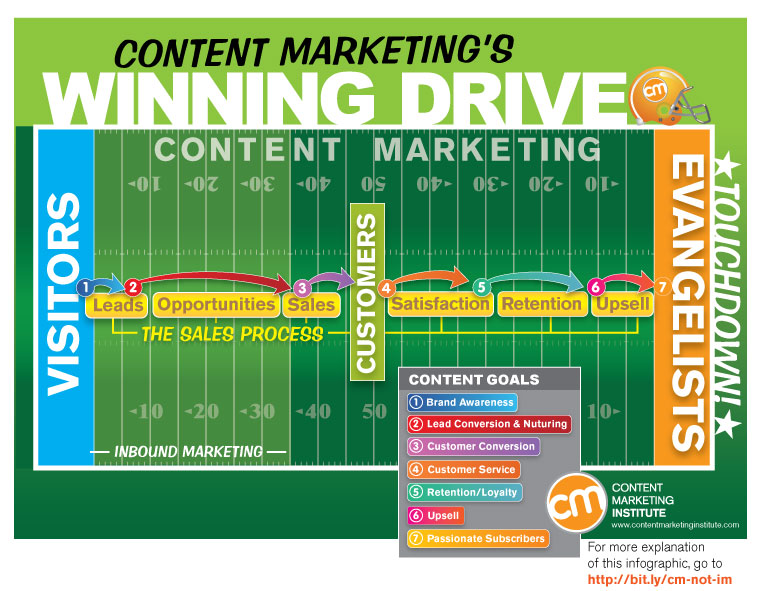
image10

Content can be useful to attract readers, but you’ll also need to convert that traffic into leads.

You can then use content to nurture those leads into customers and use even more content to help keep them satisfied so that they’ll continue purchasing from you in the future.

When you hire a freelancer or agency, most of them will focus on the top of the funnel content. They’ll produce blog content to attract traffic and leads.

That may be fine for you.

However, if you want them to produce content to support other parts of your business, that’s something you’ll have to budget for and bring up.

A freelancer may not be able to handle that extra work, but agencies usually can.

And while most content marketers will perform some basic SEO to target keywords, you need to make sure that you also start generating organic search traffic with your content.

Furthermore, you need them to understand what products you sell, which products you’re creating, and relationships you have with other companies in your nice.

They need to know this because it will affect whom they mention in content and which topics are most important to your target audience.

The takeaway: Content marketing is only one piece of your business. If you outsource it, make sure that the work you have done fits with the rest of your business.

10. Do you need a content marketer or an editor?

There’s one unique case that we need to look at with this question.

What if you have a big budget but also want to work with freelancers (as opposed to an agency)?

This might allow you to create a large volume of top notch content on a regular basis.

The biggest problem you’ll have is managing all the freelancers.

When you have a team of 5+ freelancers writing and promoting your content, things can get disorganized fast.

You’ll find that you’ll have to step in and spend a lot of time finding good freelancers, assigning topics, reviewing their work, and coordinating their promotion.

Although that’s an okay solution, there is another option.

Hire a great content marketer as your editor instead. Although this will cost more because you’ll pay a fixed fee, it’ll also free up a ton of time, and assuming you value your time highly, it’ll actually save you money.

Here’s how it’ll work.

On the Crazy Egg blog, we have several writers who contribute on a regular basis.
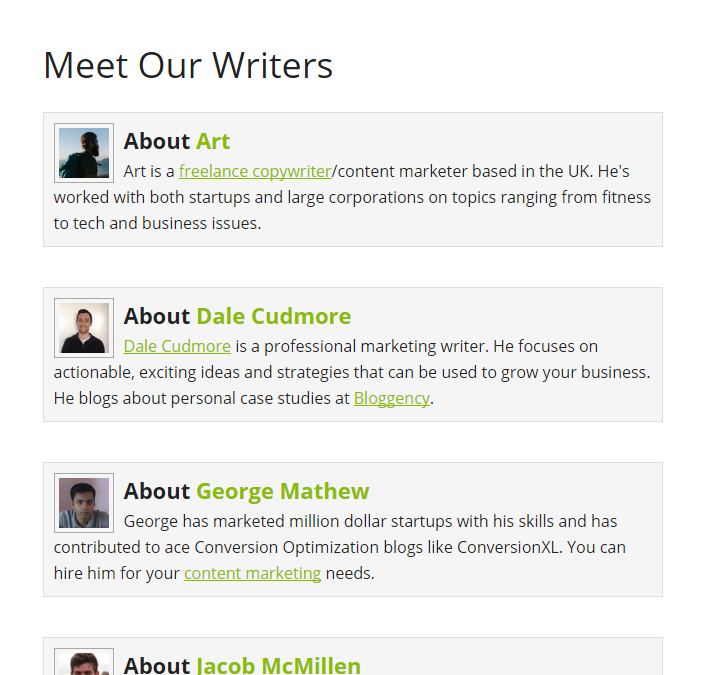
image06

But I don’t spend all my time coordinating them because we have a blog editor for that.

The editor finds new writers as needed, makes sure that important topics are written about (with the right keywords), edits posts to improve their quality, and promotes them as well.

You’ll need to hire a great freelancer for this unique type of role, which will be expensive, but you’ll save money because now you’ll be getting most of the content created by writers (not full-fledged content marketers).

This process has allowed us to post daily articles on the blog for years, and the results have been great.

11. How will they keep you informed of their progress?

This final question will also save you a lot of stress and frustration.

All agencies and freelancers communicate differently.

Some won’t communicate as often as you’d like, while others will keep you too updated.

Everyone’s different, but I think a monthly report is a good frequency for checking in, in addition to communicating about any big issues that may come up.

Most agencies will send a template-based report of all the most important metrics, which is good because you’ll get used to finding important information within those reports quickly.
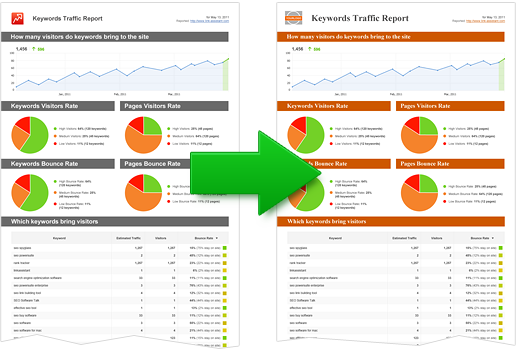
image05

Most freelancers don’t have any reporting software, so it’s critical to outline to them beforehand what information is important to you and how often you want it.

This may not seem like an important issue, but it’ll save you from wondering about the status of any work in progress or worrying whether any work is being done at all.

Conclusion

Content marketing is an effective method of marketing for almost any online business.

Its importance continues to grow every year, so even if you haven’t started, you should still get going.

If you have started but are finding that you don’t have enough time to give content marketing the attention and effort needed to get the results you want, something needs to change.

The most common option is to outsource your content marketing (or parts of it).

This is a big decision that will have a significant impact on your overall marketing results, so you need to make it carefully.

The 11 questions that I’ve gone into great detail about in this post will ensure that you know whether you should outsource your marketing and how to find the right person or agency to hire.


from Quick Sprout https://ift.tt/2U9jIh5
via IFTTT

The Top 15 Ways to Come up with New Content Ideas

I write a ton of blog posts for my websites.

Writing has become a major part of my life throughout the years.

People recognize this and often ask me the same question: How do you come up with these new ideas?

Truthfully, writer’s block happens to all of us. Just ask any writer, and they’ll tell you the same thing.

Sometimes you sit down, and the words don’t spill onto the page as easy as you’d like them to. I can relate and empathize with you there.

That said, I don’t have much trouble coming up with new ideas. I came up with a system a while ago that made it easy for me to constantly source new topics to write about.

These strategies aren’t limited to blog posts.

They can be used to come up with content for research articles, podcasts, and ebooks. You can even use them to come up with ideas for your new video blog or whatever else you’re working on.

Here are the top 15 ways to source new content ideas.

1. Create topic lists in bunches

When you’re ready to write new content, you shouldn’t be sitting down to decide what you’ll write about.

This wastes time, and it’s inefficient.

I like to create long lists of potential topics all at once. Spend a few hours researching subjects for new ideas.

Give yourself enough topics for at least a month or two. If you’re publishing three posts per week, you’ll want to aim for at least 12 to 24 new ideas.

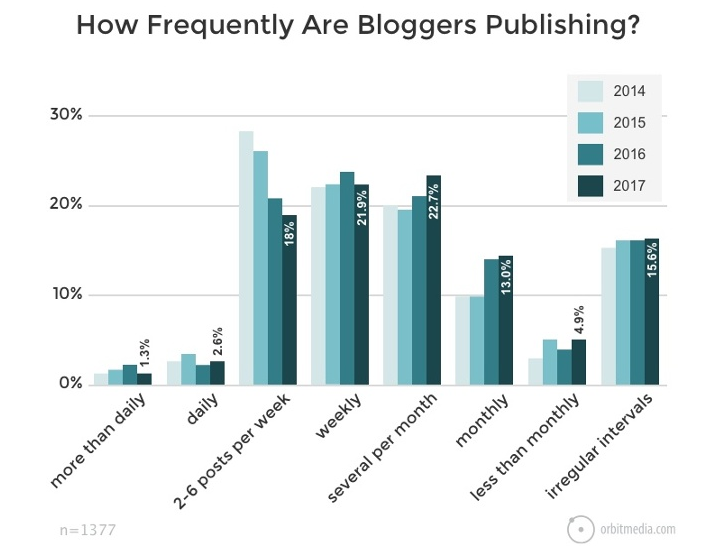
how frequent

Sometimes, I come up with 50 topics at a time.

When your mind is focused on one task, it’s much easier to brainstorm. Come up with the ideas first. You can perfect the titles when you start writing.

This strategy will make it easier for you to pump out content. You’ll be able to pick a topic from your list and start writing.

2. Social media followers

Start with people who follow you on social media. Click on their profiles and see what they’re talking about.

Read through tweets. Check out photos. See what brands they are interacting with.

Some of these may lead to a dead end, but others can be extremely beneficial to your brainstorming process.

Plus, if you have tons of social media followers, you’ll always have a huge source of ideas.

You could even ask your followers directly. Post a question on your Instagram story, and ask for replies.

For example, let’s say you have a brand related to the fitness industry. Ask your followers a question about their favorite unconventional workouts or what meals help them lose weight.

The answers will help you come up with new content ideas.

3. Blog comments

Review the comments on all your posts. You should do that even when you’re not trying to come up with new ideas.

It gives you a chance to communicate with your audience. Always respond to their comments.

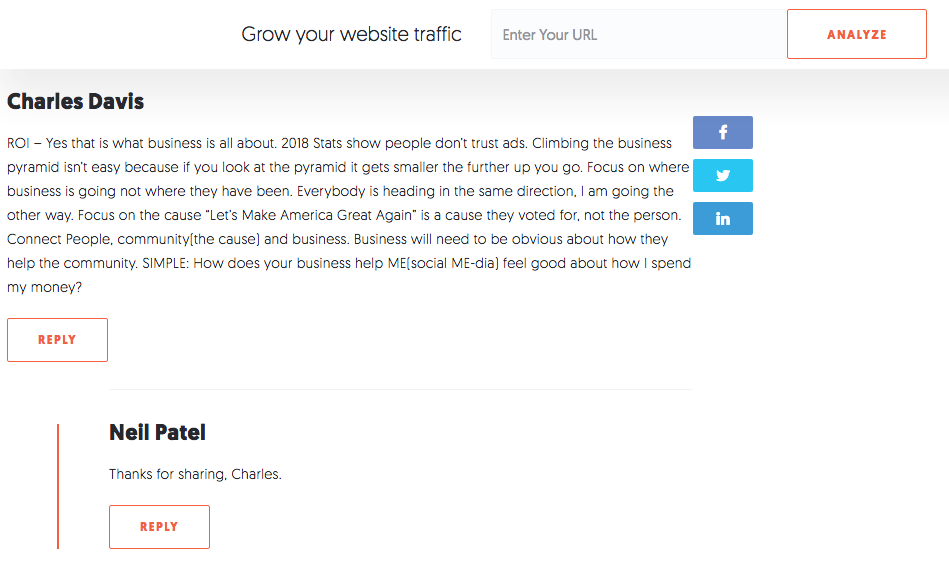
These comments can be a great source of inspiration. For example, here’s one of the comments from a recent post I wrote on the Neil Patel blog:

neil patel blog

The reader makes some interesting points here. I could pull a few different concepts from this message to write about in the future.

As you can see, I responded to his comment as well.

If people ask questions in the comments section, those questions could be used as titles for a new topic. Just tweak a few words or so to make it SEO friendly.

Regardless of what your audience comments about, I’m confident you can generate at least one or two ideas from this section of each post you publish.

The great thing about this source is it’s nearly never-ending. As long as you keep publishing new posts, there will always be new ideas hidden in the comments.

4. Conduct interviews

How do you know what type of content your audience wants to see? Ask them directly to tell you.

Conduct interviews. Ask them about their habits.

The great thing about an interview is it doesn’t have to be direct. You don’t have to have a clear black and white question with a definitive yes or no answer.

Just find ways to get people talking.

You’d be surprised how interesting some of these statements can be. The responders may start feeding you new content ideas without even realizing it.

It’s in your best interest to record your interviews. That way, you can review them later instead of frantically trying to write things down while someone is speaking.

5. Competitor websites

If you’re not sure what to write about, check out your competitor’s blog. This is one of the best ways to come up with long lists of topics in bunches.

Don’t get me wrong, I’m not telling you to steal or plagiarize. But there is nothing wrong with using their titles and concepts for idea generation.

Look through their posts and start writing down topics you haven’t covered yet.

You have a huge advantage here because you can try to make your post about the same topic even better than theirs. For example, let’s say you’re using a top 10 list from a competitor’s blog as an inspiration for a new content idea. Well, you can try to one up them by creating a top 15 list on the same topic.

In addition to your competitor’s titles for new content ideas, you can also look at other aspects of their website.

Read through their comments section. You already did this with the comments on your website, so it makes sense there will be ideas buried in other sites as well.

See if they have an FAQ page on their site. These questions could all be ideas for the topics you can write about.

6. Google search suggestions

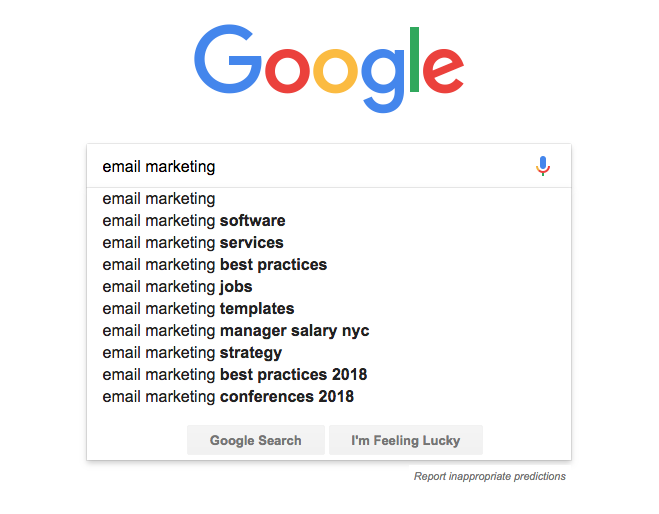
If you’ve got a general topic in mind, start searching for it on Google:

email marketing

Look at all the suggested topics that come up when I type in “email marketing.”

These suggestions could all be topics to cover.

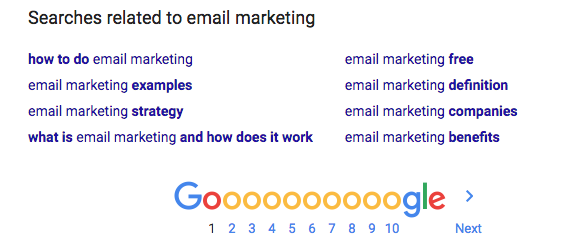
In addition to the search suggestions, you can also check out the related searches at the bottom of the page:

related searches

If you’re not sure what to search for to generate these suggestions, start with content titles you’ve already posted.

The reason why this is such a good strategy is because you know the topics will be relevant to your audience.

Plus, you can assume these new titles will be SEO friendly since you sourced them through Google.

7. Recent events

Depending on your brand, you may not want to be reporting breaking news.

It won’t speak to your audience, and it doesn’t fit with your company image.

But you can definitely come up with ways to get creative. When you’re watching the news or reading updates from an online source, try to figure out how you can make these topics relevant to your brand.

Look up local events or  national trade shows related to your industry.

Give your audience information about the event. Tell them what they need to know if they want to attend or register.

8. Product reviews

Think about recent products you’ve used related to your brand or industry.

You can review these topics in a blog post or video demonstration.

For example, let’s say you run a website related to camping and other outdoor adventures. If you go on a fishing trip and use a new pole, you could write about your experience with the new gear.

If your company is releasing a new product, use this method to build hype for a new product launch.

You could even write reviews for products you don’t own and never used. Just look up products online, and base your discussion around online customer reviews.

9. Topic generator platforms

If you’re still stuck and can’t think of anything to write about or research, use online sources to help you generate topics.

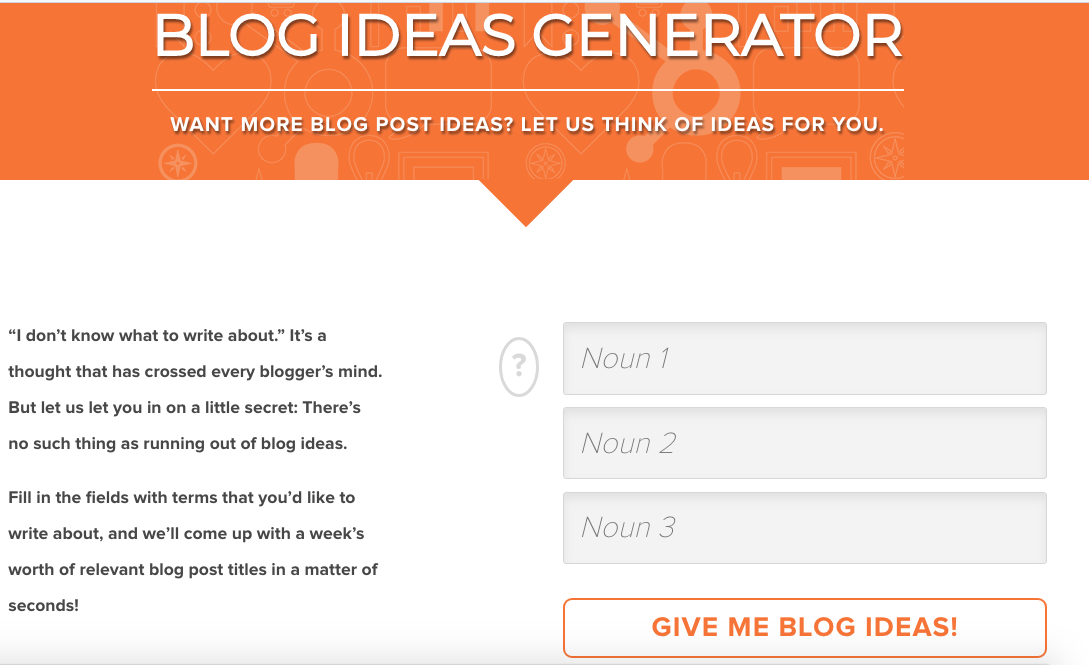
One of my favorites is the HubSpot blog ideas generator.

hubspot

As you can see, it’s pretty simple.

Just add some keywords you want to include, and the tool will come up with a list of potential ideas.

In addition to the HubSpot tool, you can check out Portent’s content idea generator.

10. Personal stories

When in doubt, tell a story about something that happened to you.

It could be a success story. Or maybe tell your audience a story about a mistake you made.

How did you learn from it? How did you get to be where you are today?

It could be a recent story or one from the past. Master the art of storytelling.

Personal stories are great because they make your content unique. While people may have similar stories, the details of yours won’t be the same as anyone else’s.

11. Sign up for newsletters

Get content ideas delivered directly to your inbox.

Sign up for industry newsletters. They’ll keep you up to date with trending topics, news, and events.

You can even sign up for competitor newsletters. See what they are discussing with their customers.

Use the topics covered in these emails to generate new content ideas.

12. YouTube videos

All businesses should have a YouTube profile. Use it to upload videos, and then share those videos on all your marketing channels.

But YouTube can also be a resource for coming up with new ideas.

Treat it the same way as a Google search, which I previously discussed. As you start to type in a subject, you’ll see suggestions.

When you watch a video, there will be related videos on the sidebar for you to consider as well.

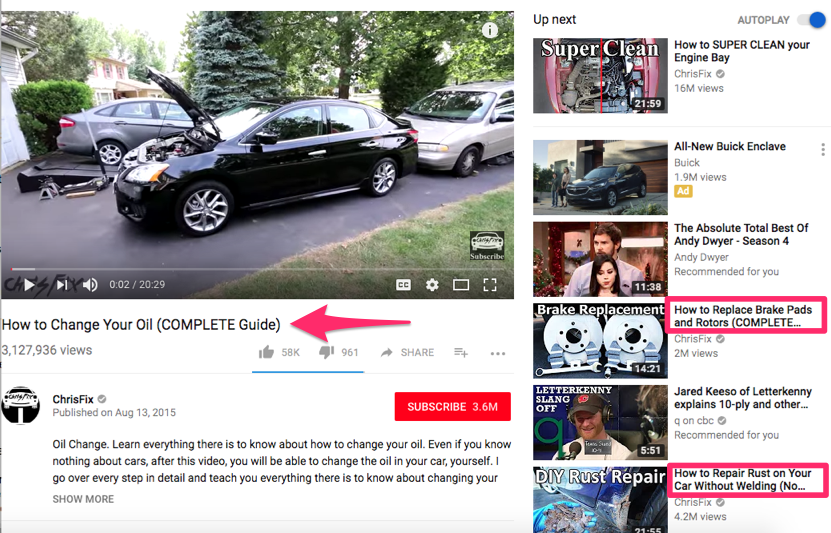
Let’s say your brand is in the automotive industry. Here’s an example from the ChrisFix YouTube channel:

youtube

This video is about how to change the oil in a car. But look at the videos on the sidebar I’ve highlighted.

These related topics are about how to replace brake pads and how to repair rust on a car. Both of these are suitable new content ideas related to this industry.

In addition to finding topics based on the titles of videos, you can also watch some of them to find some inspiration within their content.

Just as you did with your website and the websites of your competitors, you’ll also want to read through the comments section of YouTube videos. Check out the comments on your videos as well as the videos you’re watching to help generate new ideas.

13. New products and technology

If your company sells something, writing content about a new product release is a win-win scenario.

I briefly mentioned this earlier when I talked about product reviews.

First, you’ll be able to generate a buzz for the release, which will ultimately help you drive sales. But it also gives you something to write about.

Furthermore, staying up to date with the latest technology trends can help you come up with new topics to cover.

It doesn’t matter what industry you’re in or what type of business you have, new technology is evolving everywhere.

There could be new software directly related to your business or just a general advancement in your industry. These are all scenarios to consider sharing with your audience.

14. Use data and analytics

Have you seen a recent study related to your brand or industry?

Write about it.

You don’t have to be the one conducting the research, although that would make the content even better. But to save time, you can use new data to write about a subject.

For example, let’s say you’re in the fashion industry. This new study may be something worth writing about:

necktie

Use this study to talk about fashion trends that don’t require wearing a tie. Or maybe share ideas about how to wear a loose tie with the top shirt button unfastened.

You could even share a video demonstration about how to properly tie a tie so that it’s not too tight around the neck.

All these ideas came from new facts in your industry.

15. Revisit previously published content

Your old content shouldn’t be dead and forgotten. Use those topics for ideas too.

Just re-work the titles, and write a newer post from a different angle.

For example, let’s say your company is in the field of mobile app marketing. If you had written a post about how to get ranked on the app store, a new topic could be how to boost your ranking to get more downloads.

Although the topics are similar, they are not quite the same.

Or let’s say you’re in the personal finance space. An old topic might have been about how to save for retirement. But you can take some of the content from that piece and write a new article about the best retirement accounts to invest in.

If an old post has outdated research, you can write a new one that includes the updated information.

Conclusion

While you may suffer from writer’s block from time to time, you should never be struggling to come up with new content ideas.

There are many resources at your disposal. Learn how to take advantage of them.

Come up with a long list of new ideas at once.

Go through this guide of tips and tricks, and you won’t have any problems.


from Quick Sprout https://ift.tt/2JJ0nir
via IFTTT

Produce More Content in Less Time With These 6 Science Backed Tactics

time

Don’t you hate it?

You understand how content marketing works, but you still can’t quite get the results you want.

It’s hard to pump out enough high quality content in order to reach your goals.

There are two main reasons for this.

First of all, writing isn’t easy.

Creating great content that is worthy of being shared is even more difficult.

In order to create content of that level, writers often spend several hours on a single post.

In my experience, though, most bloggers could double or triple their writing speed by becoming more efficient.

The second main reason why producing enough content is difficult is because there are many distractions.

Even if writing is the only job you do, you still have to contend with distractions such as social media and email. When you’re not very motivated, it’s really easy to click over to Facebook and waste 20 minutes.

If you’re a small business owner, it’s even worse.

In addition to the same distractions that a writer might have, you can also get distracted by other parts of your business: product creation, content promotion, customer service, etc.

You put those two factors together, and it’s no wonder that it’s difficult for you to publish content on a consistent basis.

You and I both know that’s a problem.

Without consistent output, your results will be a fraction of what they could be.

And since we both know the power of content marketing, it’s a shame.

But I have good news! It’s a problem that can be fixed if you’re willing to keep an open mind.

I’m going to show you six writing tactics that can turn you into a more focused and efficient writer. They have worked for me and other top notch writers.

You might not be interested in trying them all at first, but give one or two a try, and once you get good results, try others. 

1. Don’t leave yourself an option to procrastinate by doing this…

Let’s deal with the most common form of procrastination first:

wasting time on the Internet.

Anyone can go to Facebook, Twitter, or Reddit and waste hours with the endless stream of content.

But when you have writing that needs to get done, you can’t afford to do this.

If this is something that you’re struggling with, you need a more robust solution than simply trying not to go to those sites.

My suggestion? Use a plugin to block your biggest time-wasters while you work.

If you physically can’t access the sites, you can’t waste time on them.

Here’s what you’ll need (options for Chrome and Firefox).

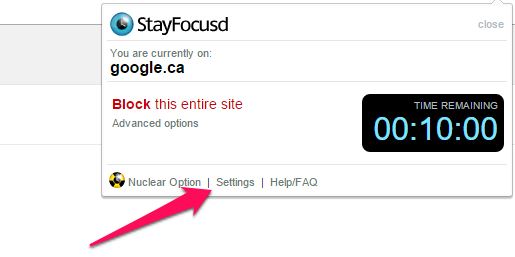
For Chrome – StayFocusd: Once you install this Google Chrome plugin, click the little blue-and-black clock icon beside your address bar.

It’ll show a little pop-up, where you can click on the tool’s settings:

image00

This extension is incredibly well developed. Considering that it’s free, it’s pretty amazing.

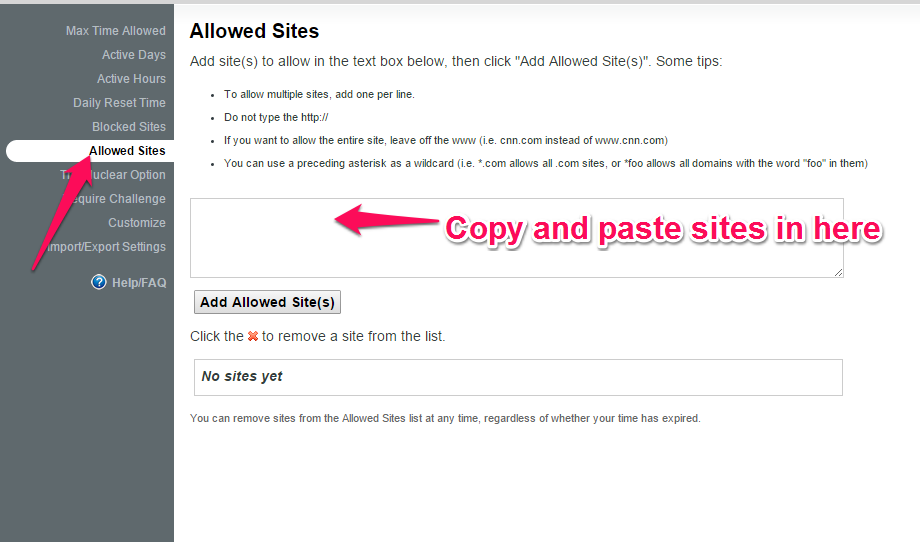
The first things you’ll want to set up are your blocked and allowed sites.

You’ll only need to fill in one of these sections, depending on which options you’ll eventually go with.

But let’s look at both.

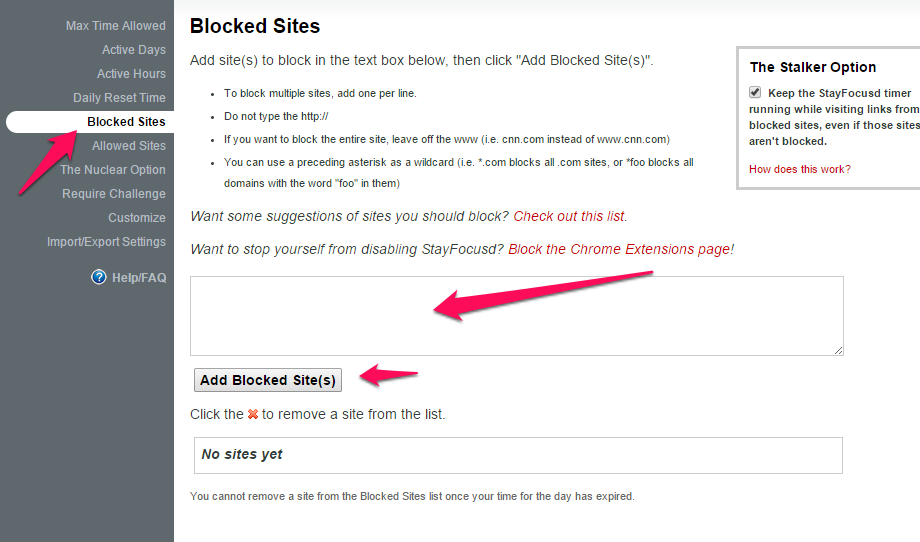
Make a list of the sites that you waste the most time on when you’re trying to be productive.

Then, remove the “http://” part of the URLs, and paste them all into the “blocked sites” section:

image02

Finally, click the button below the text box.

The other option you’ll have is to block all websites except for the ones you specify in the allowed sites tab.

If you’d rather use this option, follow the same procedure as above, and paste in sites you’ll need (e.g., Wikipedia):

image17

Here are your two main options: You can either schedule certain times to run the plugin, or choose the “nuclear option.”

First, let’s start with the “nuclear option” because it sounds cool.

If you were paying close attention, you probably saw the link to the nuclear option page on the original tiny pop-up (from the icon).

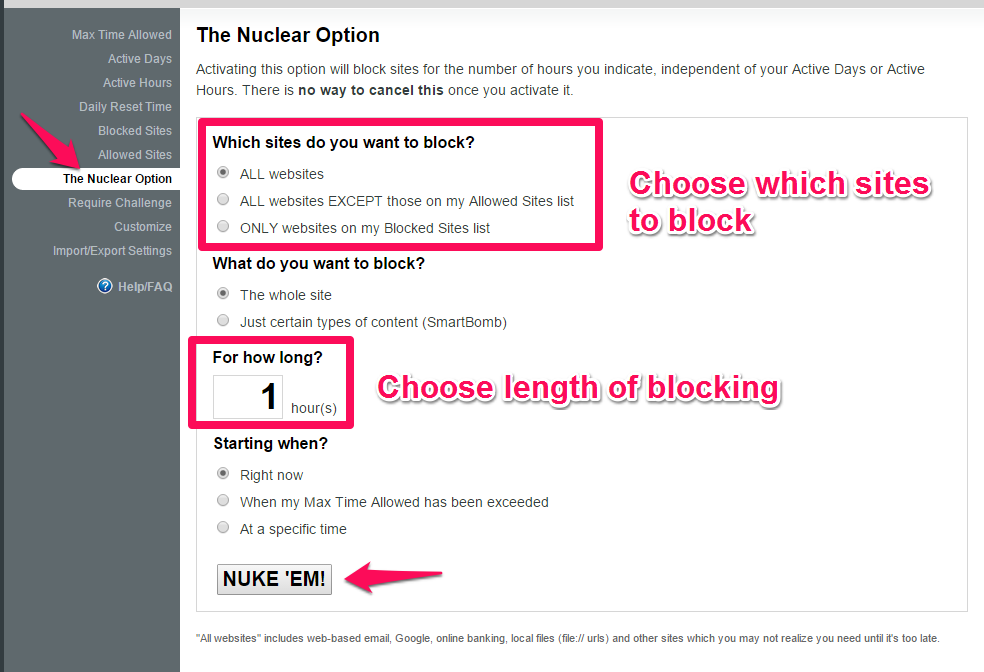
This option allows you to start the blocking immediately and specify how long it should last. Once it’s started, you can’t stop it.

image06

First, you’ll pick which sites to block.

You could go with “all websites,” but that might be a problem if you need to do some research.

My preferred option would be to only block the sites on the “blocked sites list.” This way, you’ll stop yourself from using the most distracting sites.

Then, specify for how long to block the sites and when the blocking should start. Finally, click the button.

The second main option you have is to simply schedule when the plugin should be active.

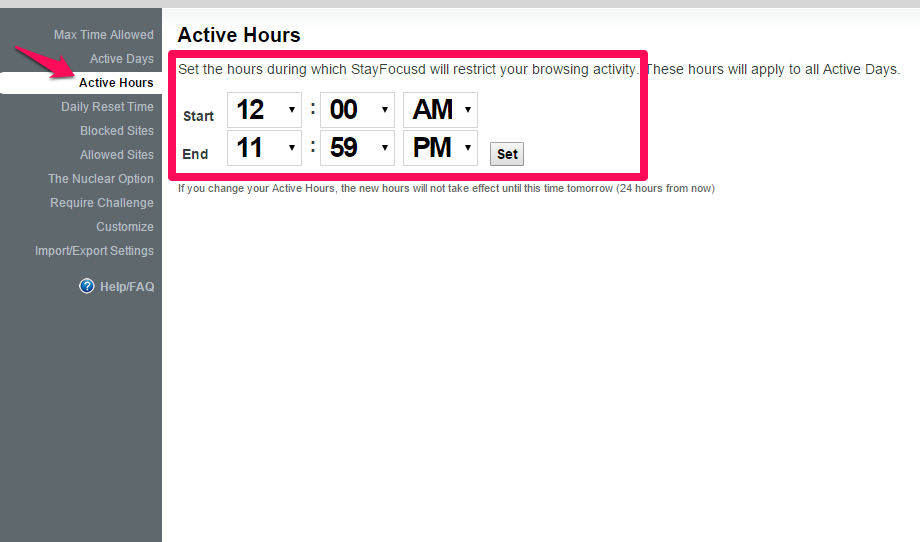
There are two menu options—“active days” and “active hours”—that you use to control this.

For example, if you wanted to write every day from 9 until 11 in the morning, you would set those as the start and end times in active hours.

image13

Choose whichever days you want to work as the active days.

There’s one final cool feature that might come in handy.

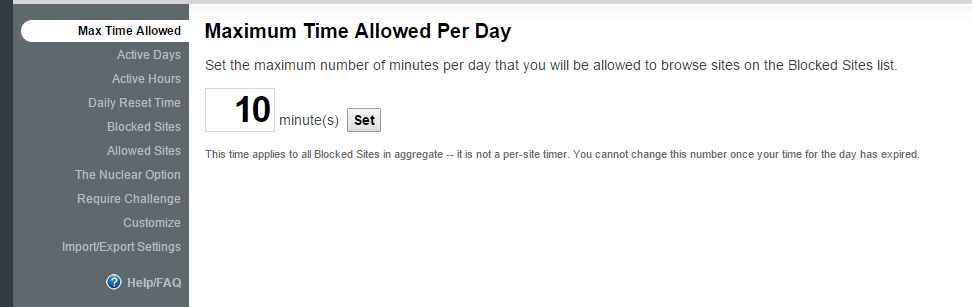
If you go to the “max time allowed” tab, you can set a simple counter to indicate how many minutes a day you allow yourself to browse your blocked sites. 

The plugin counts how much time you’ve spent on the sites on your blocked list (in total), and if you exceed this max time, it will automatically block them for the rest of the day.

image08

For Firefox – LeechBlock: The highest rated plugin of this sort for Firefox is LeechBlock.

It’s not quite as comprehensive as the Chrome option, but gets the basic job done.

After installing the extension, type in “about:addons” in your address bar, and click on the Extensions menu option:

image14

Finally, click on LeechBlock’s options to bring up a popup.

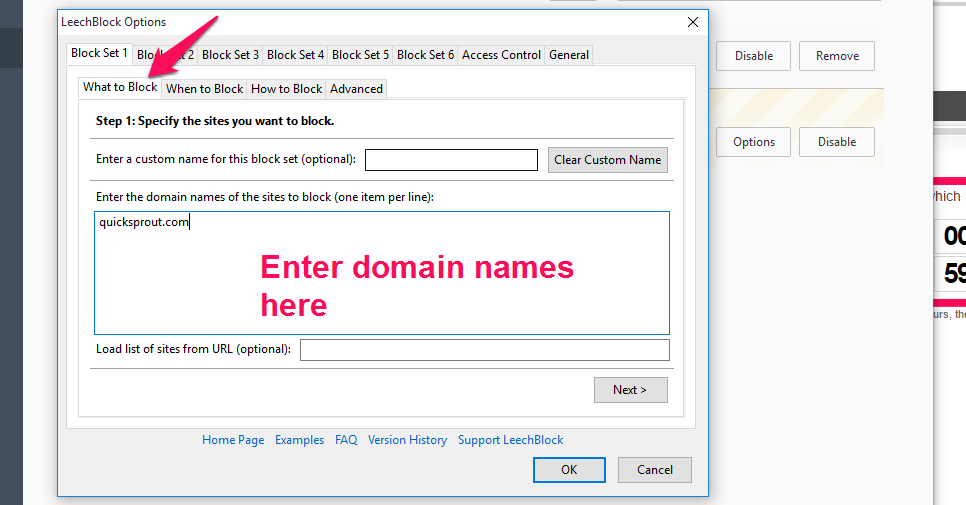
With LeechBlock, the options are much more straightforward. Pick the sites you want to block, and pick when you want to block them.

First, enter the domain names of the sites you want to block:

image07

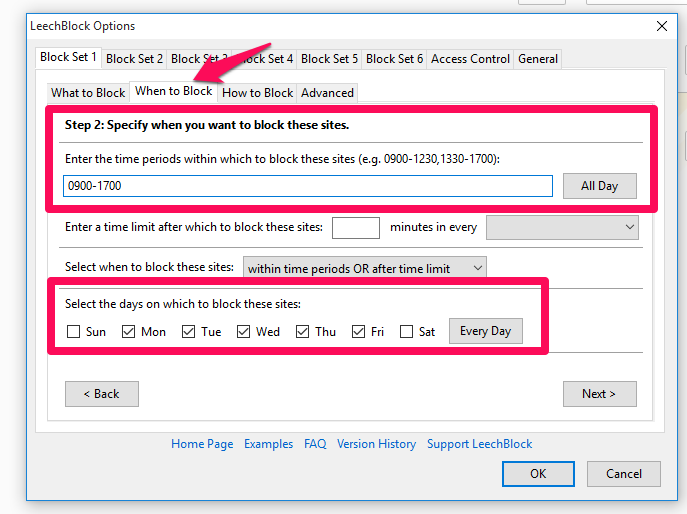
Then, click the “when to block” tab, and enter the time in the military time format:

image11

You can, of course, pick which days the extension should be active.

In the final tabs, there are a few advanced options where you can specify how the extension blocks the sites. You can set it so that there’s no way you can access the sites until the time is expired or leave it so you can disable the extension.

2. Develop a system and never stare at a blank page again

Many writers waste time “thinking.”

And what I mean by that is that they stare at their page wondering what they’re going to write about.

I’ll let you in on a secret: The most prolific bloggers don’t do this.

They all have their own personal system of writing, which maximizes the time spent creating content and minimizes the time trying to figure out their next step.

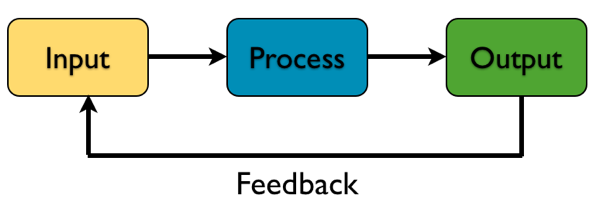
A system consists of 3 main things: input, output, and process.

image10


The input of writing a post is time and energy.

The output is ideally a great post.

But what you really need to focus on defining, if you want to create a system, is a solid process.

Why do you need a system?

A system—more specifically a process—is a set of instructions that explains how you do certain things, e.g., write a blog post.

The most important thing is that they are specific.

It’ll be much easier to understand with an example. Here’s what a system for writing a blog post might look like:

  • Step #1 – Create headings for an outline
    • Create the main heading
    • Create subheadings for each section
    • Outline each section with a few bullet points describing what it’s about
  • Step #2 – Find supporting research and resources
    • If there are any holes in your knowledge (needed for the post), learn about them
    • Find 2-5 studies about the problem/solution
    • Search for each section topic, and write down the URLs of any great resources
  • Step #3 – Write each section, one by one
    • Follow the outline
    • Write the first thing that comes to mind (more on this later in the post)
  • Step #4 – Create any necessary images for the post
  • Step #5 – Add internal links and a lead magnet
    • Add one internal link to a relevant post for every 200-400 words
    • If a post-specific lead magnet is possible, create it now
  • Step #6 – Edit and publish
    • Remove any “fluff”
    • Check for spelling and grammar issues
    • Format for WordPress, and publish

You could develop an even more detailed process.

You basically want a set of instructions that you could hand off to any writer and say, “Write me a great post.”

Do you see why this will save you a ton of time? Instead of continually pausing and wondering, “What part of the post should I do now?—you already have the answer.

The better your system is, the less “thinking” time will be required. Most of it is upfront in the outlining and researching phases.

Your system will probably look different from that example, and that’s a good thing. Customize your system so that it reflects your working preferences.

2 other benefits of systems: Although the primary function of a system here is to minimize non-productive time, there are a few other smaller benefits.

First, the quality of your posts will be extremely consistent.

When you don’t have a system, sometimes you’ll be motivated to do extra research, make great pictures, and do a great editing job.

But other times, you might skip these steps.

This will result in some great posts and some okay posts.

With a system, you do the exact same things every single time. Remember the input/output diagram? Your output should be the same if your input and your process are the same.

The second benefit may or may not apply. If you write monster posts like I do (and that I recommend), you might have noticed that you get a little overwhelmed from time to time.

It’s hard starting a mammoth post when it seems like it’s going to take forever to put together, and it’s going to be difficult.

But when you have a system, you already know that if you follow the steps you laid out, you’ll get the output you want.

Instead of worrying about the final result, you can just follow each small step, one-by-one, knowing that you’ll finish it in a reasonable amount of time.

In essence, your system breaks up a giant task into bite-sized, and thus less intimidating, tasks.

3. Learn to get “in the zone”

If you’ve ever played a sport, at any level, you know the feeling of being “in the zone.”

Everything just melts away, and all your focus goes to the task at hand, whether it’s running or playing basketball.

Needless to say, this is how you get your best performances.

But getting in the zone isn’t just limited to physical activities.

You may have also experienced it when working or studying. One of the most common examples of being in the zone is when a programmer “plugs in” when they get engrossed in a challenge:

image12

As far as I know, no one knows how to get “in the zone” at will. However, that doesn’t mean that there aren’t ways to improve your focus, which will in turn improve your efficiency.

Here are a few effective strategies…

Strategy #1 – Efficiency and batching go hand in hand: Batching is a concept that is typically used in industrial settings.

Smart factory owners noticed that when they created large batches of their product at once, it was much cheaper and faster than creating products one at a time.

image01

Imagine if people who delivered mail only took one letter at a time from the distribution center? It would take forever.

But taking mail in bulk, the delivery person can deliver the mail without having to go back and forth all the time.

That’s an extreme example, but it applies to every step along the way.

So, how can you use batching as a writer? It’s pretty simple. Stick to one task, and don’t switch to another one until you’re done.

  • Coming up with blog post ideas? Come up with 50-100 at once, not just one per post as you need it.
  • Need to outline a post? Outline the full post before you start writing, instead of outlining a single section, writing it, and then repeating the process.
  • How about editing? Don’t edit as you go—do it all at once at the end.

Applying batching in these ways will save you a lot of time.

But possibly more importantly, it will help you focus better.

Our minds work best when we concentrate on one specific task. However, the typical writer is constantly jumping between outlining, writing, researching, and editing.

Sounds familiar?

There’s no way to get in the zone when you’re constantly shifting gears like that.

If you only apply this strategy, you’ll still have great improvements in your focus and efficiency.

Strategy #2 – Visualization is a powerful tool: The mind will try to find a distraction if it gets in an uncomfortable situation.

Sometimes, writing a post can become uncomfortable.

You start writing, but then you get to a particularly tricky or complex part of the post. All of your doubts about people not liking it, or thinking you’re an impostor, come to mind.

This is uncomfortable for any writer.

This, of course, causes them to get a little twitchy and think or do something else (like check Facebook).

Having a system will help reduce the chances of this occurring.

In addition, you can use visualization to quell these worries and get back on track if you feel that it’s happening.

How do you do it?

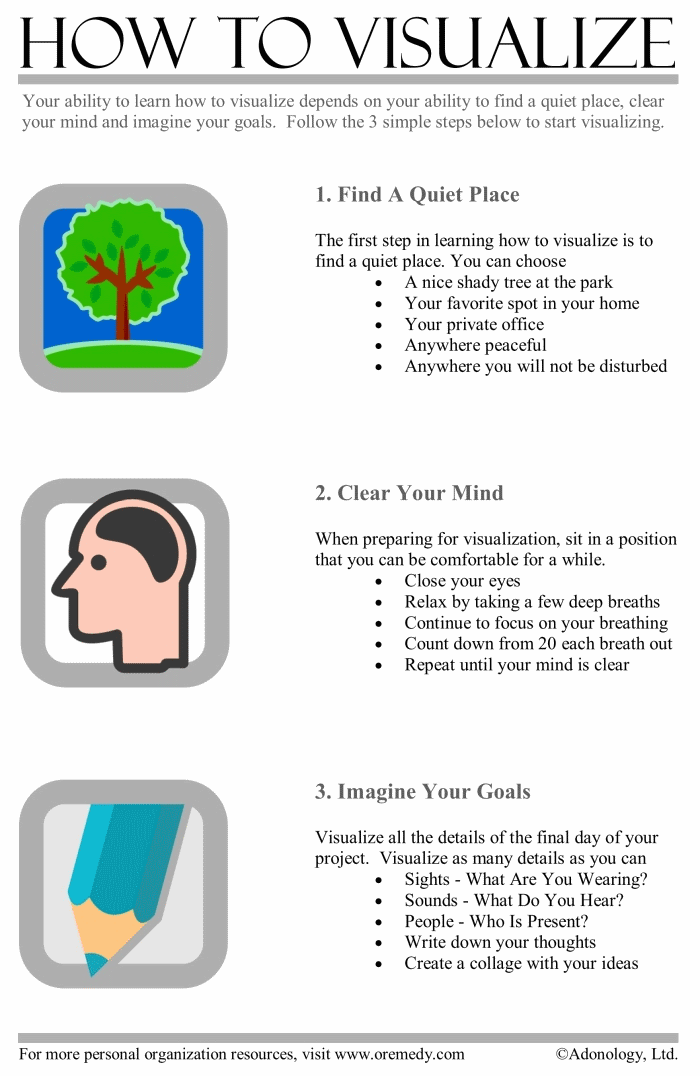
The basic idea is that you want to see yourself succeeding in a realistic situation.

Close your eyes, relax for a minute, and picture yourself publishing the finished post on your website, followed with a slightly above average number of shares and comment.

image03

This isn’t some hippy idea that involves attracting your desires.

This is about knowing what you’re trying to achieve and being confident in your ability to do it.

Studies have shown that visualization can improve performance in a wide variety of situations.

Strategy #3 – Clear your mind beforehand: Finally, what if you have a really active mind? I think most Internet marketers and business owners have this problem.

You constantly look and think about new opportunities plus all the other things on your to-do list.

With your focus divided, you will be less productive.

One potential solution is to meditate beforehand. It doesn’t have to be long: just 5 to 10 minutes will go a long way.

But isn’t meditating hard? If you’re a bit apprehensive about trying meditation because it seems like a complicated thing used by monks, don’t be.

Although they might be great at it from years of intense practice, you don’t need to be a monk to experience the benefits of meditation.

There are many types of meditation, but the most basic one is to focus on your breath. Just acknowledge your thoughts as they come up and return your attention to your breath instead of staying with your thoughts, which will be tempting.

Depending on how busy your mind is, you will notice that it becomes clearer after 5-15 minutes of doing this.

Here’s a short, but detailed explanation of how to perform meditation:

4. The simple science of habits (use them to make writing easy)

We all know the power of habits.

The more you do something, the easier it becomes.

For writers who struggle getting started with writing a post, looking at the science behind habit formation can be incredibly helpful.

There are 3 parts to every habit:

  1. The cue – What triggers you to do the routine.
  2. The routine – What action(s) you perform.
  3. The reward – What the immediate benefit of the routine that makes you feel good is.

Put them together, and you have the “habit cycle.

image04

How to create a writing habit: Once you understand the habit loop, you can use it to form new habits, whether it’s for writing or anything else.

The first element is to pick a “cue” for writing.

The cue should be something that happens often.

The cue can be many things:

  • An alarm going off
  • Having a meal
  • Checking email
  • Turning on the lights in a room
  • An activity like stretching or meditation
  • A song you’re listening to ends

It can be any cue you want, but try to pick one that will happen (or you can make happen) at a specific time just before you want to start writing.

For example, if you like writing in the morning, start writing after you finish breakfast.

Or start writing after you’ve checked your emails.

The second part is the routine.

Obviously, you already know how to write.

The key is, at least for the first month or so (it takes about a month or two), to just write. Even if it’s only for 5 or 10 minutes, you’re just trying to establish the habit.

Then, write for longer after you’ve established the habit.

Finally, you need some sort of reward.

The biggest problem with creating a great post is that you don’t get much of an immediate reward. It can be weeks or months before it is published and gets any attention.

It can be several months before you see the long term SEO traffic benefits of a post.

The alternative is to make your own reward.

For some people, a reward might be as simple as telling yourself “good job.”

For others, it might be playing a game for a few minutes or having a small snack of their favorite food.

Find a reward that will help you associate the action of writing with a good result.

Follow that 3-step process and you’ll form a new strong habit before you know it.

5. Don’t worry about perfect, do this instead

You’re trying to create great content, right?

The kind that really adds value to your readers’ lives.

For that, I congratulate you because that’s really how marketing should be done when possible.

But there’s a side to this that isn’t often talked about.

It’s easy to obsess over making a post as good as humanly possible—or perfect.

But perfection can cause a writer to freeze up.

When your goal is perfection, everything less than that becomes failure, even if it’s really good.

As you might know, most people have an innate fear of failure (to different degrees).

If, while writing a post, you ever wondered “How can I make this perfect?” only to freeze up or get overwhelmed, it’s likely due to this.

But I have a solution that you can put into action right away.

The simple strategy for productivity AND quality: First, realize that there is no such thing as a perfect post, and that your readers don’t need perfection.

A very good article will give your readers almost the same value as a “perfect” article.

But where does the value come from?

From the design of the content? A bit.

From the choice of words? A bit.

From the meaning behind the content? A lot.

If you truly have something of meaning to say, it won’t matter how good of a writer you are. It can still make an impact on the people who read it.

Sharing valuable knowledge is the most important thing.

That doesn’t mean that writing style and formatting aren’t important at all; it just means you should focus on making the valuable message as clear as possible.

And you don’t do this by picking the “perfect” words.

So, instead of killing yourself, wasting minutes between sentences, thinking of the absolute best way of phrasing something:

write each sentence down as simply as possible.

Simple words come to mind quickly, and readers can understand them easily.

Your goal isn’t to create art; it’s to create something that gives the most value to readers, which means that they must understand your message.

Will it be perfect? Heck, no.

Will it be good? Hopefully, but not necessarily.

When you write down the first thing that comes to mind, it sometimes turns out okay. Other times, you’ll ramble on and add “fluff” content that doesn’t add to the main message you’re trying to get across.

Would it surprise you to learn that most top writers do this?

The difference between them and an average writer (besides practice) is editing.

After you’ve written the post, you can edit it to remove the fluff.

With this simple method of writing, you’ll typically end up with a better article than you would have if you aimed for perfection:

  1. Write the first thing that enters your head
  2. Spend a good amount of time editing it

When you’re editing it, don’t go for perfection—go for clarity.

6. Four aspects of an optimized writing environment

Most of what we’ve looked at so far has focused on improving the way you approach writing.

But what we haven’t looked at is how to create a good environment for writing.

Imaging how hard it would be to write with a bunch of noisy kids running around? Almost impossible.

And while you may not be able to create a perfect writing environment, there are four fairly simple things that you can do to make creating great content easier.

1. Create your own writing space: No doubt, you do at least some work from home. But you may find yourself being less productive because of where you’re doing it.

Our brains create connections between locations and activities.

For example, we associate the bedroom with sleep. What studies have shown, however, is that working in bed (or even the bedroom) weakens the association between the bedroom and sleep.

If you work in bed, not only will you make it harder to sleep, but you also won’t be as productive. You’ll always have a significant association to sleep in your bedroom, so don’t be surprised if you feel a little tired or too relaxed when writing in bed.

But this can be extended to other areas as well.

Do you always play games in a certain room?

Do you always Skype or go on social media in a certain room?

Your mind creates associations between those activities and those locations, which means that you will be more prone to do those things rather than write in those spaces.

The solution? Create a specific space that is only used for writing.

It doesn’t need to be large, but it should feel unique so that over time you will associate it with writing.

What you will gradually start noticing is that when you work there, you will begin to write automatically instead of having to force yourself.

2. Breaks are not for the weak: It’s a brutal cycle. You don’t want to take a break because you want to spend more time writing to be more productive.

But when you do this, you fatigue faster, lose focus faster, and end up writing slower, which makes you even less productive.

In addition, sitting for long periods over the long term can cause back pain and even create deadly blood clots.

Ideally, you should take a short 2-5 minute break every 30 minutes. And don’t go without a break for longer than 60 minutes.

During this break, get away from the computer.

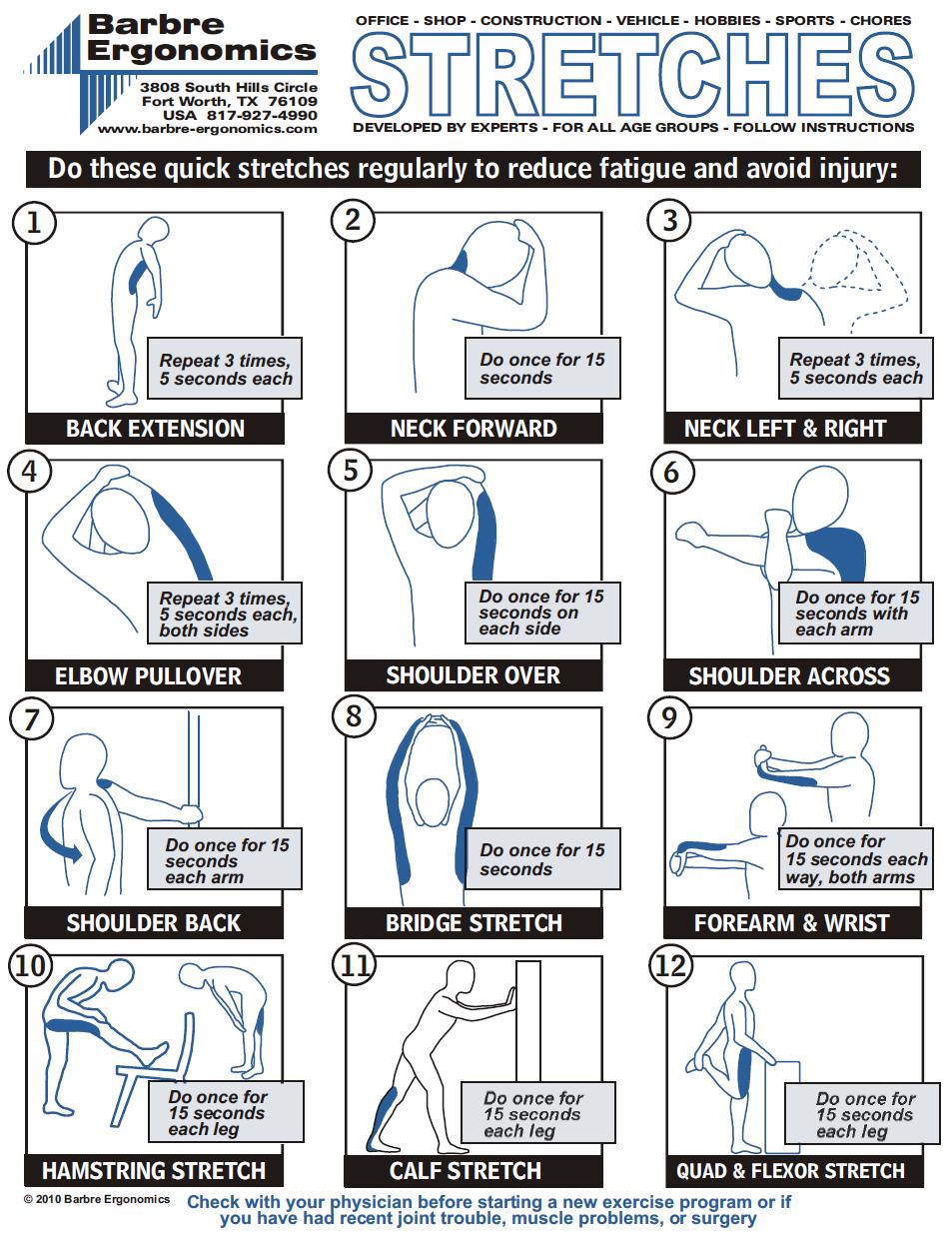
Get up and stretch, or do something that involves a bit of moving.

If you Google “work stretching routines,” you can find many simple ones to try:

image05

This is good for your physical health, but it’s also good for your productivity.

Studies have found that brief diversions from a particular task significantly improve focus in upcoming periods of work.

3. Your seat matters: When you’re “in the zone,” all your focus is on the task at hand. If you’re sitting in an uncomfortable chair, you’ll be constantly distracted by it.

Whether it’s the general discomfort or pain from the chair, the same effect occurs.

As a writer, you probably spend at least 20 hours a week in your chair, or almost 1,000 hours a year.

That’s too much time to be uncomfortable, and you’re costing yourself a ton of productivity.

If you have any budget at all: get a nice comfortable office chair.

The most famous one is the aeron chair by Herman Miller. While it costs a bit over $900, it’s also one of the most comfortable and ergonomic chairs you can use.

image16

Another option is to use a standing desk.

A lot of research has come out recently on the dangers of sitting for a long time. One study found that men who sat more than 6 hours a day (on average) had a death rate 20% higher than those who sat for less than 3 hours.

Other studies have concluded that those who sit for prolonged periods of time are 50% more likely to die from any cause and 125% more likely to have a cardiovascular event (like a heart attack).

One good option is to use a standing desk instead, which may help you stay more focused as well.

image15

A quick caution though: Although research on standing desks is still pretty new, some studies have shown that standing too much is also bad for your health.

I’d suggest doing both if possible, mitigating the health risks as much as possible while keeping you comfortable and productive.

4. Take it easy on your eyes: Finally, staring at a screen all day is tough on the eyes, especially if you work at night.

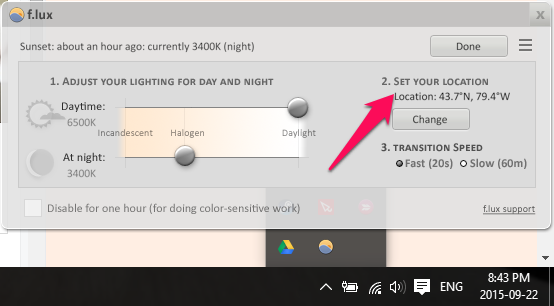
A simple solution to reduce the amount of eye strain and fatigue is to install the free program f.lux.

It alters the intensity of the light coming from your screen, which not only reduces strain on your eyes but is also said to help you sleep better.

image09

At first, it will look really weird, but you’ll quickly get used to it and wonder how you ever lived without it.

Conclusion

Although writing a great article takes time, there’s no reason for it to take all of your time.

Most of you who are writing, if you used all the tactics in this post, you will be able to double or triple your output, which is huge.

You don’t need to try them all right now. Look for your biggest problems as a writer, and use the matching tactics I’ve shown in this post to address those specific problems.


from Quick Sprout https://ift.tt/2UcqHFZ
via IFTTT