Monday, April 30, 2018

The Top 10 Platforms for Effectively Managing Social Influencers

Social media is evolving. Brands need to do more today than just have active profiles on different marketing channels.

Successful businesses are increasing their presence by leveraging relationships with social influencers to create brand awareness.

We’re seeing an increase in the use of micro influencers, which made my list of the top marketing trends to look for in 2018. So for those of you who haven’t implemented this strategy yet, it’s time to get your feet wet.

You may be surprised to hear how big of an impact influencer marketing campaigns can have on your company. In fact, 30% of people say they are more likely to buy a product if a non-celebrity influencer recommends it to them.

The results will vary by generation.

For example, if you are marketing to Generation Z, you’ll need to know that 70% of this group say they can relate to YouTube creators more than to traditional celebrities.

This means you don’t have to find pop culture icons like Kanye West or Shaquille O’Neal to promote your brand. It’s great news because this will obviously be more cost-effective for your marketing budget.

But since influencer marketing at this scale is relatively new for most businesses, it can feel as if you’re entering uncharted waters.

Where do you find social influencers? How much should they be paid? Do they have enough followers to have an impact on your business?

Fortunately, there are online platforms to help you get connected with social influencers. I’ve narrowed down the top 10 platforms for managing these relationships.

Review my list to see which ones fit the needs of your brand before you decide.

1. Klear

When it comes to getting connected with social influencers, Klear is a top choice for you to consider.
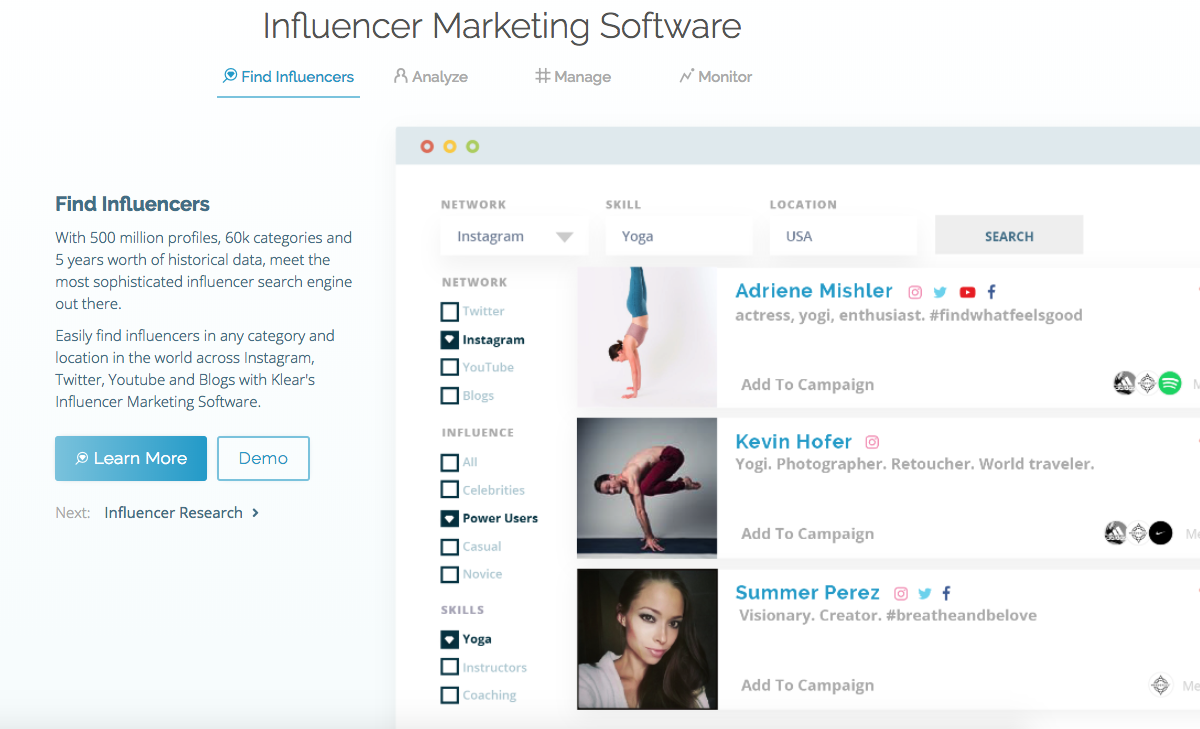
image5 10

That’s because their software allows you to fully customize the profile of an influencer you’re looking for based on a variety of factors.

You’ll get to decide which social channels you want to promote on, such as Instagram, YouTube, Twitter, or even blogs.

Then you can select which type of influence you want people to have. This ranges from novices all the way up to celebrities.

Once you click on a prospective influencer’s profile, you’ll get to see insights based on their audience. This will help ensure their reach matches your goals.

Just because an influencer fits your target market doesn’t mean their followers do too. Klear helps you distinguish between these factors.

The dashboard of this software makes it easy for you to manage your campaigns and relationships with multiple influencers at the same time.

You’ll also get detailed reports for each campaign you run to see if you’re getting the results you need to get a high ROI.

Now, you can easily track your success and continue relationships with your best influencers. On the flip side, these analytics can give you a data-driven reason to cut ties with influencers who aren’t helping your cause.

2. TweetReach

Depending on your business and marketing campaigns, you may be looking for tools to help you with specific marketing channels.

The TweetReach software can help you get connected with the top social influencers on Twitter:
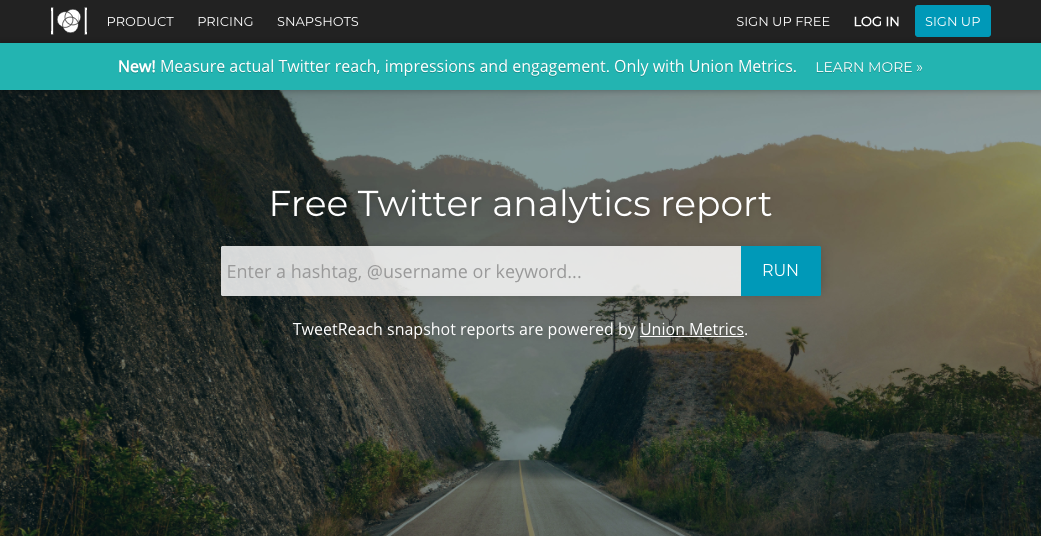
image6 10

Here’s how it works. To find influencers, you’ll need to manually search for a topic related to your brand.

Simply input a keyword or hashtag into the query to see which tweets have the highest engagement.

If you find some people who have a big following and powerful voice within your industry, you can reach out to them directly and work out a deal for them to promote your brand via Twitter.

Furthermore, you can use TweetReach to search for specific accounts. You may have some influencers in mind, but you want to see some analytics before contacting them.

TweetReach provides you with exposure information based on your search terms in specific locations as well. This is useful if you want to get connected with influencers in a certain geographic market area.

3. Buzzsumo

I like Buzzsumo because they have a wide range of marketing solutions for businesses.

They have tools for things such as competitor analysis, brand monitoring, and content discovery. But they also have specific tools for your influencer marketing goals.
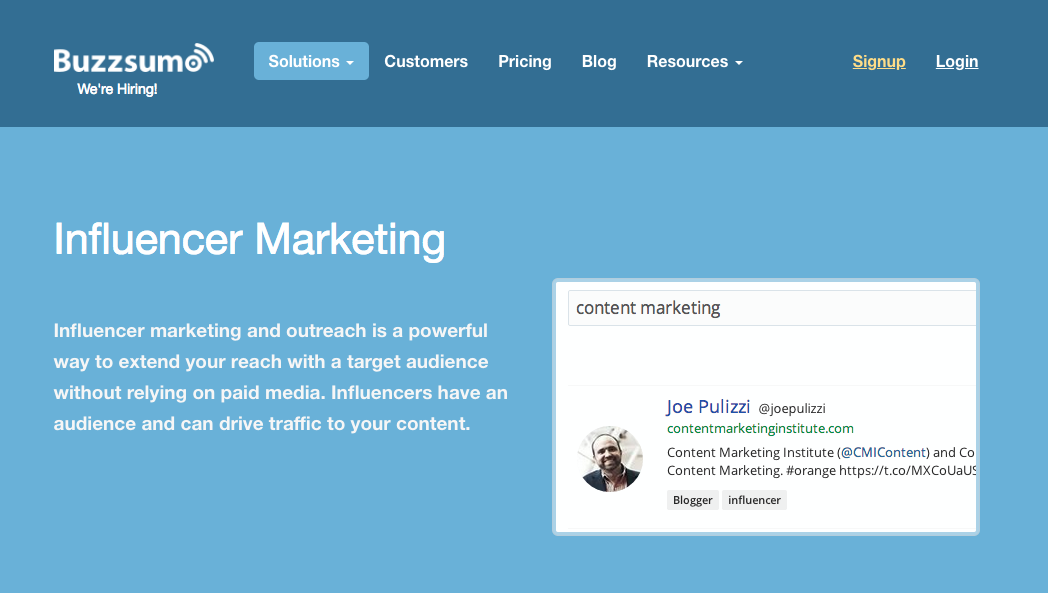
image1 10

Their platform helps connect you with the right influencers. You can find an influencer based on topics or locations.

Once you have an initial list of influencers, you can filter those results based on things such as engagement, reach, influence, and authority. This gives you the ability to pick the most qualified people for your marketing goals.

You will also have reports based on the type of content and domains these influencers share the most.

Most influencers won’t work for one brand exclusively. This information is vital to making sure your influencers aren’t doing anything that may negatively affect the reputation of your company.

All the analytics, data, and reports from Buzzsumo can easily be exported as CSV or Excel files.

This makes it easy for you to manage your results on platforms you feel comfortable with. You can also combine this exported data with information from other software for comparison purposes.

4. Brandwatch Audiences

The Audiences research feature from Brandwatch gives you access to a huge database of social influencers.
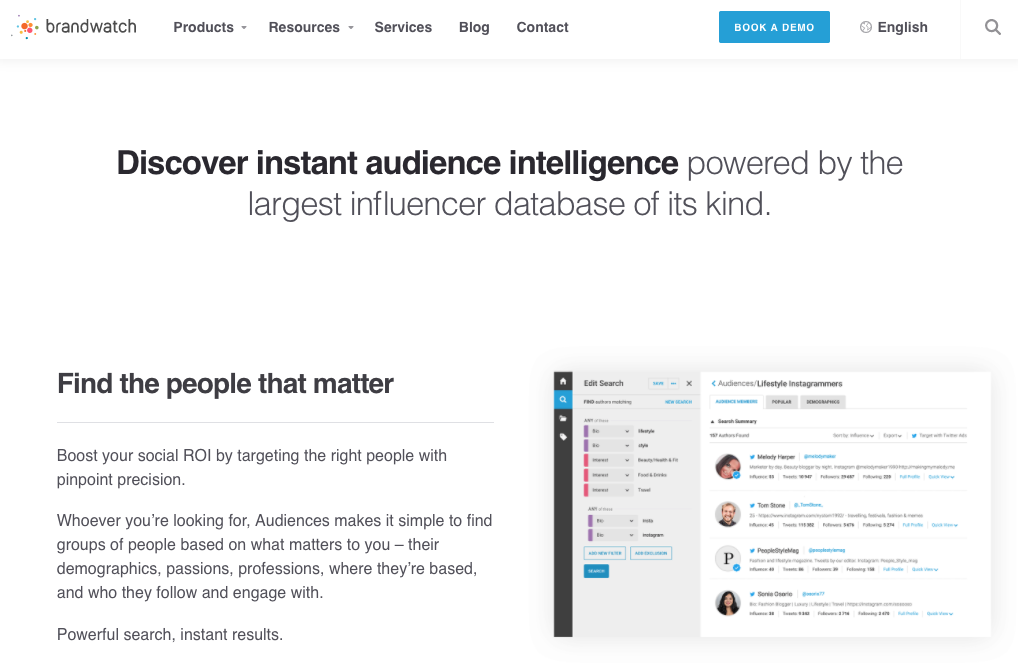
image2 9

The reason why this tool is so helpful is because it ranks influencers based on factors that matter the most, such as the ability to drive conversions.

This is much more important than their number of followers and reach. The software connects you with influencers based on niche markets as well.

If someone has an authoritative voice on a particular topic or within a certain industry, Brandwatch can help you find them.

It’s a great tool to use if you prefer working with up and coming influencers, such as micro influencers, as opposed to people who are nearing celebrity status on social media.

5. BuzzStream

BuzzStream is another great option to consider because their platform can help you get connected with bloggers in addition to social media users.
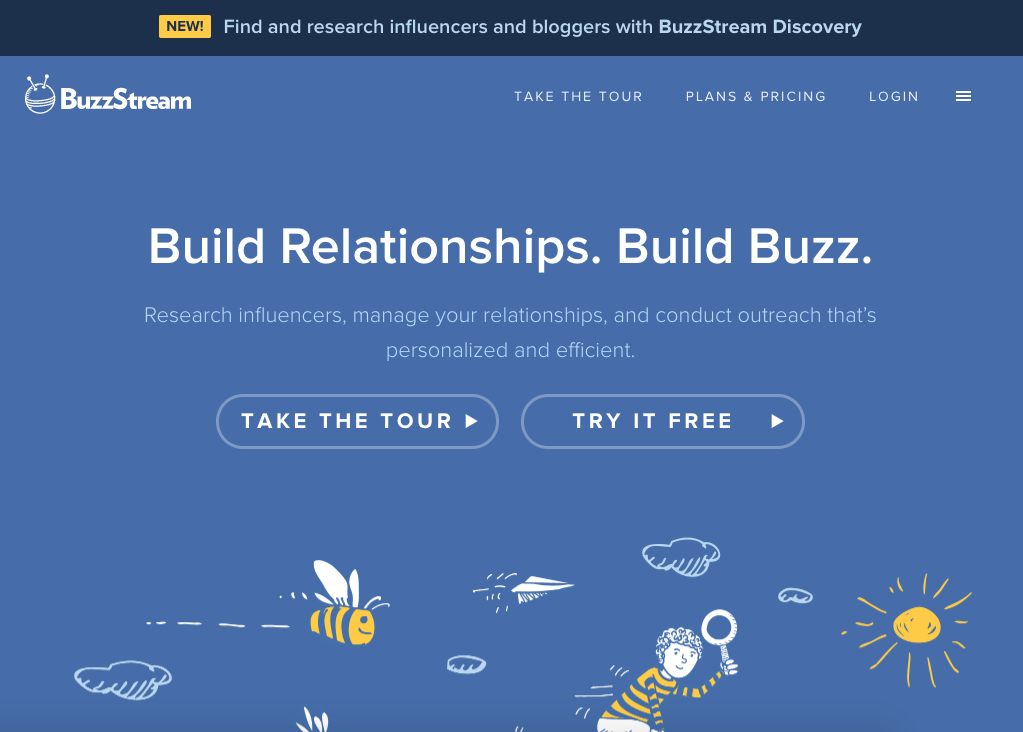
image3 10

Don’t underestimate the power of a blogger’s voice and the positive impact it can have on your branding strategy.

All you need to do is search for a specific topic through this platform. You’ll see a list of prospective bloggers that fit your brand or industry.

You’ll have access to reports about their websites and social media pages. This snapshot will tell you exactly how many followers they have on each platform as well as their posting frequency and activity level.

BuzzStream also provides you with engagement statistics for each prospective influencer.

In addition to managing your relationships with influencers, the BuzzStream software specializes in digital PR, link building, and content promotion. All of these features can be used to complement your social influencer campaigns.

6. Kred

This platform is a bit different from all the other options on our list so far.

That’s because Kred is designed for influencers as opposed to brands looking to get connected with influencers.
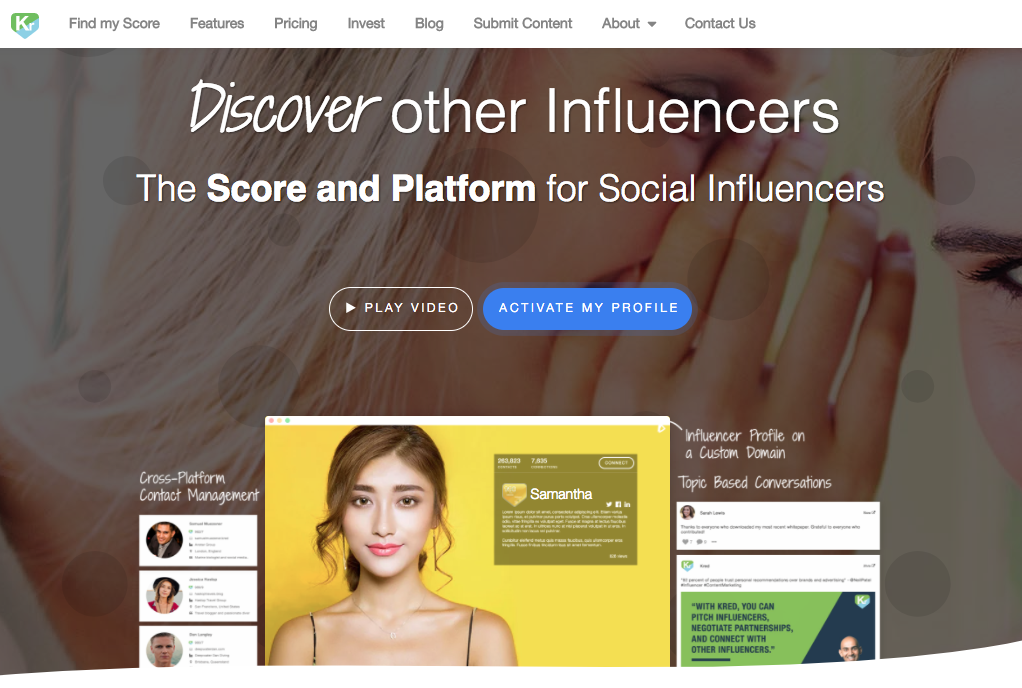
image7 8

But that doesn’t mean you can’t still use this platform to your advantage. There are plenty of ways you can go about this.

First of all, if your business is tied to your personal brand, you definitely need to use Kred. Working with other brands can be an easy way for you to build credibility for your company.

For example, let’s say you’re in the modeling business. Rather than looking for social influencers to promote your brand, you should be getting connected with brands to promote their products.

That way, you can earn some extra cash while increasing the exposure for your personal brand and business at the same time.

Kred is also great because it helps connect influencers with other influencers.

Businesses can use these tools to their advantage to discover their Kred score, which is basically a report of how strong their online influence and outreach is on various channels.

7. GroupHigh

GroupHigh is another top choice for brands looking to connect with social influencers and bloggers.
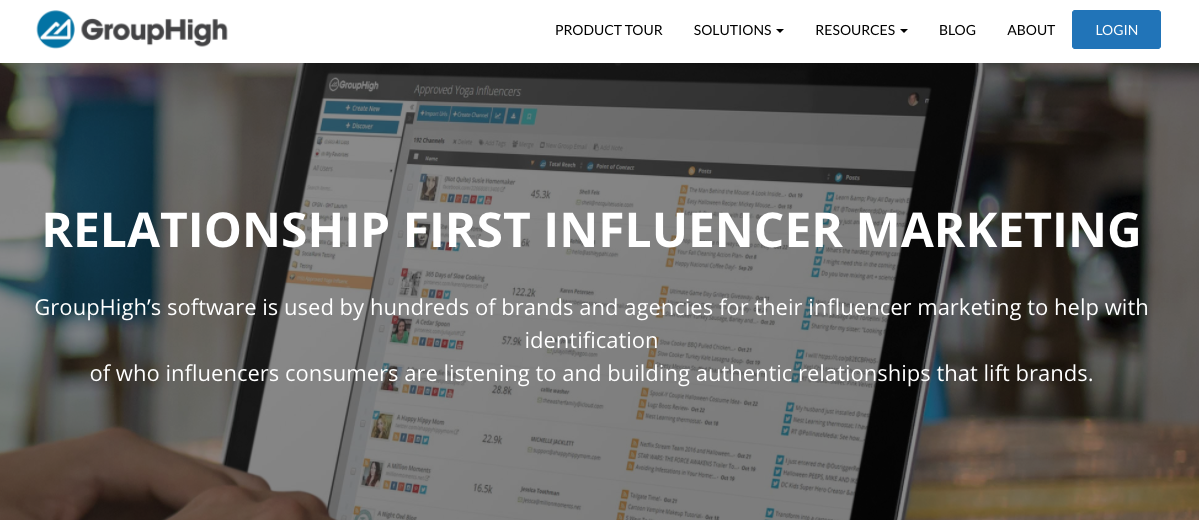
image8 4

They have a database with over 15 million influencer profiles.

You can search for influencers based on different reach metrics, location, and social presence. GroupHigh also has an option for finding influencers based on their expertise in niche topics or industries.

If you are managing social influencers on multiple platforms, GroupHigh can help you stay organized.

That’s because the software allows you to import all the information regarding other influencer relationships into their system. Now you can manage everything from one location. It’s easy to contact your influencers with just a click once you import their info.

There are lots of different communication options with influencers based on the preferred method of both parties.

You can also see reports on all your social mentions to give you a better understanding of your ROI from different influencer marketing campaigns.

8. Followerwonk

Followerwonk is software offered by Moz. It’s an influencer marketing tool specific to Twitter.
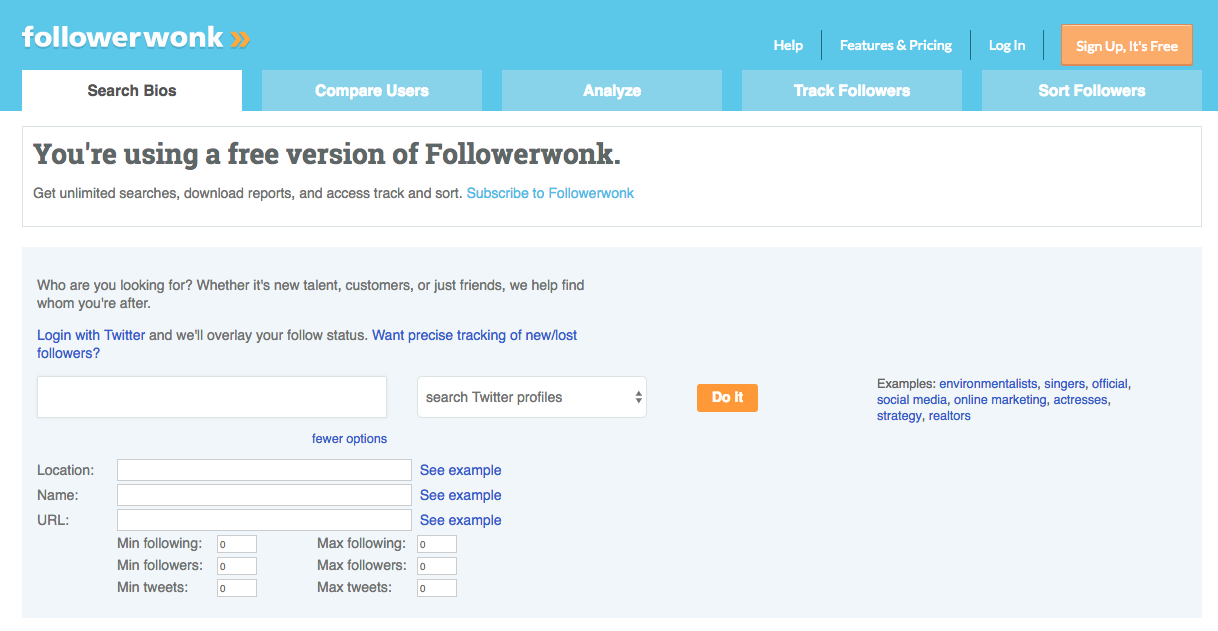
image4 10

Unlike the majority of options on our list, Followerwonk has a free version you can take advantage of.

This tool helps you search for keywords found in users’ Twitter bios. You’ll get to see information pulled from their profiles, such as the number of followers, account age, tweets, and social authority scores.

In addition to using this tool to help you find new influencers, you can use it to track your existing relationships.

You want to make sure the influencers representing your brand on Twitter still have a strong authority. Otherwise, you may be wasting money on a marketing campaign that won’t work.

9. Onalytica

If you’re looking for a platform that helps you connect with new influencers and manage them at the same time, Onalytica is a viable option to consider.
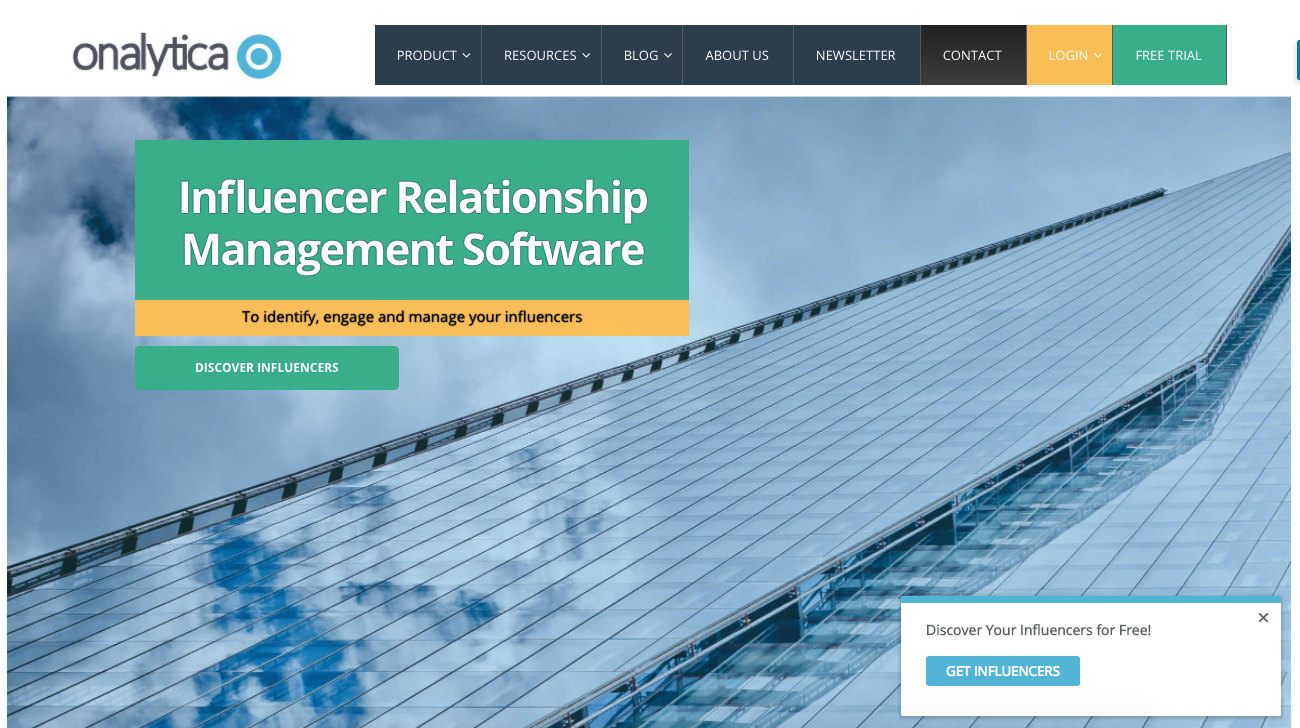
image10 1

You have several options to search for new influencers. Onalytica lets you search based on categories, so you can get connected with people who specialize in specific fields.

You can also find influencers based on their demographics.

If you’re looking to market your brand to a specific audience, it makes sense to work with influencers who fit that demographic as well.

But what really makes Onalytica one of the top influencer marketing platforms is the option to search for influencers based on topic and content. You can find people who use similar language to that of your recently published content.

All you have to do is upload something you created, such as a newsletter or blog post, and the Onalytica content matching tool will provide you with a list of prospective influencers.

10. Traackr

Last on my list, but certainly not least, is Traackr.
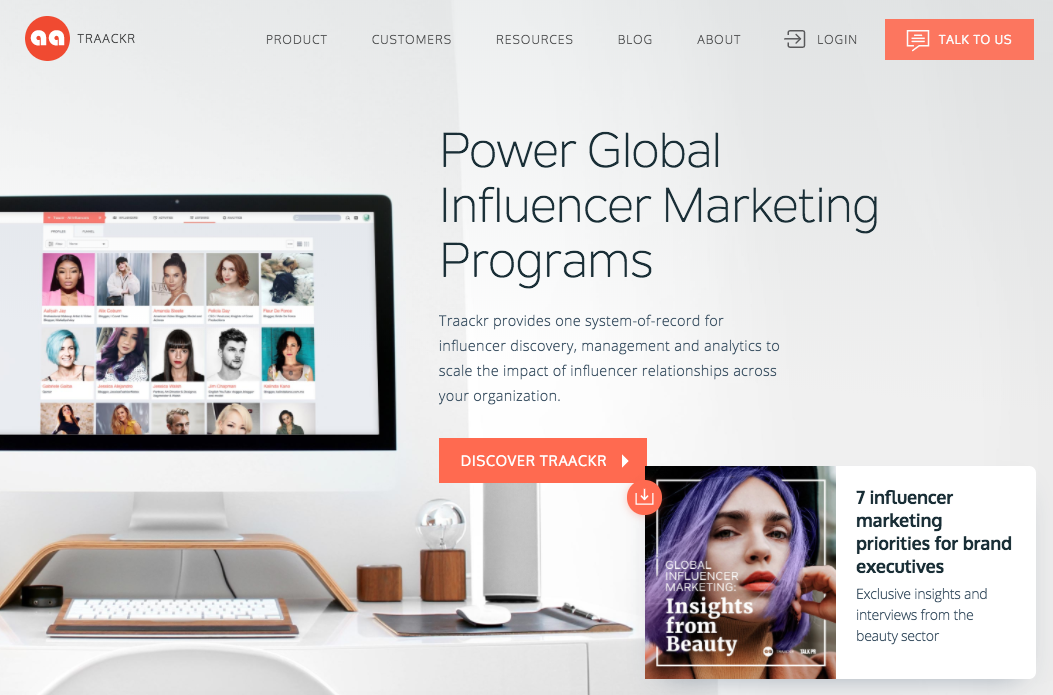
image9 1

This platform has a wide range of solutions to help businesses manage their influencer marketing campaigns.

They make it easy for you to communicate with influencers on a daily basis so that you can effectively get your message out to the consumer.

You can also upload influencer lists from other platforms to this software to help you manage everything in one centralized location. That way, it’ll be easier for you to track and compare your conversions, helping validate the success of specific campaigns.

Traackr also has tools to help compare your brand’s total social influence compared to that of your competitors. It also tracks your improvement over time.

All this information is helpful when it comes to measuring your reach and ROI.

Conclusion

For your business to survive and prosper in today’s digital age, you need to increase your social media presence.

To do this effectively, you’ve got to develop relationships with social influencers on multiple distribution channels.

Rather than just blindly scrolling through your follower lists to try to come up with a qualified candidate, you can use online tools to discover, manage, and analyze your influencers.

Refer to my list above to help you find what you’re looking for. Some of the options are more platform-specific, helping you connect with either bloggers, for example, or influencers on Twitter.

It all depends on your marketing goals.

But one thing is for certain, you need to get on the social influencer train now before your competition beats you to the punch.

What types of platforms does your company use to manage relationships with social influencers?


from Quick Sprout https://ift.tt/2HGrHIW
via IFTTT

YouTube announces more moves to chip away at TV ad budgets

The updates include an option for targeting cord-cutters in AdWords. It will also sell YouTube TV ads on its Google Preferred network. The post YouTube announces more moves to chip away at TV ad budgets appeared first on Marketing Land.

Please visit Marketing Land for the full article.


from Marketing Land - Internet Marketing News, Strategies & Tips https://ift.tt/2raK1D0
via IFTTT

10 Service Business Essentials that Help You Win Clients with Confidence

Here’s a scary thought: What if your content marketing actually works? What if you get all the clients you want? Will you be able to handle them? Those are important questions every service provider needs to answer honestly because there is often a disconnect between what we say we want and the actions we take.
Read More...

The post 10 Service Business Essentials that Help You Win Clients with Confidence appeared first on Copyblogger.


from Copyblogger https://ift.tt/2HGSqJy
via IFTTT

Camera Shy: 7 Tips for First-Time Video Marketers

Video Marketing Tips for First-Timers

Video Marketing Tips for First-Timers Video isn’t for the faint of heart. You need to feel confident enough to put yourself, and your brand, out there. But it’s a medium that a lot of marketers are exploring as it holds a lot of potential. In fact, Cisco’s Visual Networking Index predicts that 82% of all internet traffic will be video by 2021. Video is a main source of content consumption, including everything from the news to YouTube tutorials. And as marketers looking to demonstrate thought leadership and credibility, video presents a unique opportunity to get in front of and educate your target audience. However, 64% of marketers agree that video is the hardest type of content to produce, turning many people away from embracing video.   Never one to shy away from a challenge, we’ve been diving in head-first here at TopRank Marketing. We’ve been doing video for a while through our Digital Marketing News casts, but we recently started expanding to include a video series (Crush-It!) that inspires the next generation of curious, courageous, and clever digital marketers. Each video features one of our internal experts, which brought both seasoned and green video personalities to the stage. If you’re thinking that you want to enter the world of video marketing, check out our team’s video marketing tips from their own experiences in front of the camera, as well as behind the scenes.

Our Video Marketing Experts

Tiffani Allen TopRank MarketingTiffani Allen

Senior Account Manager One of the anchors for our Digital Marketing News YouTube series, Tiffani is a veteran in front of the camera. Having starred in over 100 videos, as well as directed videos for a few of our clients, Tiffani knows how to organize and shoot effective videos. Follow Tiffani on Twitter and LinkedIn.

Josh NiteJoshua Nite

Senior Content Marketing Manager As Tiffani’s Digital Marketing News co-anchor, Josh also has plenty of advice for marketers going in front of or behind the camera. With over 100 videos under his belt as well, Josh is no stranger to video marketing. Follow Josh on Twitter and LinkedIn.

Nick Nelson

Content Strategist Recently appearing in one of our latest Crush-It! episodes, Nick has useful tips for first-timers. Having covered video marketing strategies and tips in the past for our own blog content, Nick’s also picked up some advice from leading brands and video experts. Follow Nick on Twitter or LinkedIn.

Steve SlaterSteve Slater

Senior SEO and Digital Advertising Manager Video isn’t widely known for being SEO-friendly. But as a dedicated SEO expert, Steve provides great insight into how you can still take advantage of video for search marketing. Steve has also appeared in our Crush-It series, becoming a breakout star with some helpful tips. Follow Steve on Twitter and Linkedin.

7 Video Marketing Tips for First-Timers

#1 - Get ready for your close-up.

Video is all about “looks,” but looks don’t just boil down to your hair or makeup. It’s more so about making sure that your talented cast comes prepared and well-versed on the subject they’re going to be talking about. This will allow them to appear more comfortable, relaxed, and confident on camera. Afterall, everyone appearing in the video will be an extension of your brand. To help you get ready for your close up and put your best self forward, here are some tips from our team on your appearance and demeanor.
“If you appear nervous or lacking in confidence, it'll probably be visible to viewers. This is no easy task, especially for the camera-shy, but be mindful of the vibe you're giving off. Try as hard as you can to relax and have fun. It'll show.” - Nick Nelson “Relax! It can be uncomfortable to be on camera, but the more you do it, the easier it gets. Think of it as a conversation with your audience versus a video – it takes some of the pressure off. Also, avoid super busy patterns or lines when you’re picking out what to wear. It can make some really crazy things happen visually.” - Tiffani Allen
In addition to keeping your appearance in check, you also can’t stop once you start. This lesson can be applied to plenty of things you’ll try throughout your marketing career. But if you want to experience success with your videos, it will take a lot grit, determination, and outside-the-box thinking. Even if you aren’t getting the views or subscriptions you want, you have to keep at it, optimizing your approach along the way.
“You have to commit. The first video probably won't be great. It might not even be good. Keep going and it will get better.” - Steve Slater
We’ve been iterating on our approach to video since 2016, starting with the basics, learning as we go, and striving to make each take better than the next. Here’s an early example from us from a couple years back. And here’s a video from last week. We've been working on finding the perfect lighting scenario, experimenting with different cuts, angles, and interstitials, and other refinements.

#2 - You don’t need a blockbuster budget.

Video is an expensive endeavor. Or, it can be. Between lighting, audio, video, and editing equipment, it can quickly become a costly investment. But just because you have all of the bells and whistles, doesn’t mean your video will be a success. Instead, focus on the content of your videos to ensure that your video will be watched and appreciated.
“You don’t have to have a huge budget. You can work with what you have to create a great video, you just have to get creative.” - Tiffani Allen
Our own videos don’t have a huge budget. For example, we shot the below video in one of our offices and used the creative theme of meditation to engage our audience. It was an out-of-the-box idea, but it currently holds the title for longest watch time. Read: How to Get Started with Video Content Marketing (Without a Blockbuster Budget)

#3 - Practice your narrative, not your lines.

When it comes to film, there’s usually a script that’s followed. When it comes to your video marketing, you’ll also want a script that helps you stay on track and express all of your talking points. However, while it’s tempting to document everything you want to say, word for word, avoid that urge as best as you can. Having a script is helpful, but it can also cause your video to feel less organic or authentic. Check out our team’s tips below for practicing ahead of filming.
“I would recommend carefully planning out your talking points ahead of time and rehearsing them so they don't escape your mind on the spot. You don't need to memorize a script — in fact, you might not want to, as you'll likely come off as robotic and not very conversational — but memorize the things you'd generally like to say. This will help prevent the "ums" and "uhs" that can become stressful when the camera is rolling.” - Nick Nelson “I would recommend going over your talking points to have a good understanding of what you want to say, but NOT scripting it out verbatim. You want to keep it sounding natural and human.” - Joshua Nite “Practice your narrative, not your lines. If you try to remember what you’re going to say verbatim, you’ll likely need to do multiple takes and it may come off as rehearsed or inauthentic. Know what message you’re trying to deliver and you’ll have much more fun!” - Tiffani Allen

#4 - Nail down your intention.

If you’re writing a blog post, putting together an eBook, or drafting an email, there’s typically a call to action (CTA) with a link. When it comes to video, however, that type of call to action becomes harder to include. While links are important and can be included as bumpers or within the video description, we would challenge you to think more critically about the action you want to inspire from your audience. Video offers a vastly different experience for your audience than physical text. This means your CTA can offer a different experience as well. Do you want viewers to subscribe? Like the video? Share it? Comment? All of those CTAs now become options. You need to decide what you want your audience to do before you think about a measurable CTA.
“This comes down to being creative. What are you really trying to accomplish? Know that first, then figure out what tools you have at your disposal to get there. Can’t embed CTAs in your YouTube videos? Use bumpers with short links and add them to the description.” - Tiffani Allen
For our own Crush-It videos, we added clickable CTAs at the end of our videos to subscribe to our channel or watch another episode. Crush-It Video Calls to Action

#5 - Put someone in the director’s chair.

If you have a low-budget for your video marketing projects, odds are you don’t have a director or cameraman to back you up. While we don’t expect you to go out and hire someone to fill that void, simply enlisting a coworker or friend to press record has immense value. Even if they don’t have video experience, if they can help you start and stop your video clips, you can save hours in the editing chair.
“I think my biggest piece of advice is to have someone behind the camera. It really helps if it's someone who knows what they're doing (like our own video mastermind, Adam Dunn), but even just having someone to push the button and stand there made a drastic difference in how quick and easy it was to record.” - Joshua Nite
via GIPHY

#6 - Video transcriptions aren’t just for closed captioning.

Video has a reputation for not being SEO-friendly. Because video by nature has minimal crawlable text, the SEO value is perceived to be low. However, there’s a workaround we’ve discovered that can more than make up for a video’s lack of text. What’s that secret? Transcriptions that allow for supportive, repurposed blog content and increased search visibility.
“Transcribe those videos when you embed them on your website. Don't miss out on giving Google all that great content to index.” - Steve Slater “If your video focuses on keywords and topics that are important to your audience, it might be worth creating a written transcript and having it accompany the embedded video in a blog post. This will enable you to gain SEO traction and draw more inbound traffic for the vid. Include optimized headers and everything for maximum impact. Moz sets a good example of this with their Whiteboard Friday sessions.” - Nick Nelson
Moz Whiteboard Friday Video Transcription

#7 - Be your biggest critic.

If you’re anything like me, you do not like the sound of your own voice or watching yourself on screen. But if you want to improve your videos, it’s something that you have to do to measure your own performance. Skipping out on watching yourself can lead to you repeating past mistakes.
“To quote the great LIttle Walter, ‘you better watch yourself.’ I know it isn't fun but watch your own videos. See how you look and act on camera.” - Steve Slater
via GIPHY

Lights. Camera. Action.

Video marketing is a large undertaking for any brand as it involves looping in your brand’s internal thought leaders, investing in new equipment, and putting your brand into uncharted territory. But if you let the fear of budget, failure, or judgement hold you back, you’ll never reach the results you’re looking for. For your best chance at creating video that’s award-worthy, it’s important that you stay organized, authentic, and determined. And we speak from experience when we say that it can be challenging at times, but the payoff is video content that educates and inspires — a common goal for many marketers. Not sure what your first video should cover or aim to do? Struggling to come up with a starting point? Check out our other video marketing resources for inspiration and guidance:

The post Camera Shy: 7 Tips for First-Time Video Marketers appeared first on Online Marketing Blog - TopRank®.


from Online Marketing Blog – TopRank® https://ift.tt/2KprnA3
via IFTTT

Breaking Silos: Passive Consumption + Active Engagement FTW!

Today something complex, advanced, that is most applicable to those who are at the edges of spending money, and thus have an intricate web of internal and external teams to deliver customer engagement and business success.

The Marketing Industrial Empire is made up of number of components.

If you consider the largest pieces, there is the internal (you, the company) and the external (agencies, consultants).

If you consider entities, you’ve got your media agency, your creative agency, your various advertising agencies, your website and retail store teams, your analysts, marketers, advertising experts, the UX teams, campaign analysts, fulfillment folks, the data analysts who are scattered throughout the aforementioned entities, the CMO, CFO, and hopefully your CEO. And I'm only talking about the small portion of your existence that is your marketing and analytics.

Whether you consider the large, simplistic perspective (internal – external) or the more complex entity view, it’s really easy to see how things can become siloed very quickly.

It’s so easy for each little piece (you!) to solve for your little piece and optimize for a local maxima. You win (bonus/promotion/award). It is rare that your company wins in these siloed existence.

That’s simply because silos don’t promote consideration of all the variables at play for the business. They don’t result in taking the entire business strategy or the complete customer journey. Mining a cubic zirconia is celebrated as if it is a diamond.

Heartbreakingly, this is very common at large and extra-large sized companies. (This happens a lot less at small companies because of how easily death comes with a local maxima focus.)

So how can you avoid this? How do you encourage broader, more out-of-the-box thinking?

This might seem simplistic, but sometimes it helps to give things names. Naming things clarifies, frames, and when done well it exposes the gaps in our thinking.

Today, I want to name two of the most common silos in large and extra-large companies, in the hope that it’ll force you to see them and subsequently abandon siloed thinking and solve for a global maxima.

Name abstract ideas, draw pictures, deepen appreciation, take action.

Could not be simpler, right? :)

Let’s go!

The Advertising Ecosystem: Passive Consumption.

I'm randomly going to use Geico as an illustrative example because the frequency at which they are buying ads means that every human, animal, and potted plant in the United States has seen a Geico commercial at least once in the last 6 hours (contributing to Geico’s business success).

Typically the ads we see are the result of the external creative and media agencies, and their partners in the internal company team/s.

Geico purchases every kind of ad: TV spots, radio ads, billboards (OOH), digital displays (video, online,– social media), print (magazines, newspaper, your cousin's Christmas letter), and so much more.

The teams naturally gravitate towards optimization and measurement that spans their individual mini-universes.

Was that a great ad? Can we test different spending levels in that market? What is the best way to get people to remember the delightful gecko? Can we automate the placement of display ads based on desired psychographics?

Did we get the TRPs that we were shooting for? What was the change in awareness and consideration? What was the reach/frequency for the Washington Post? How many impressions did our Twitter ads get, and how many people were exposed to our billboards?

These are important questions facets of, and delivery optimization of, the advertising. Questions like these, and adjacent others, tend to drive the entire lives of creative and media agencies/teams. For entirely understandable reasons. Siloed incentives delivering siloed local maxima results.

I cannot stress enough that these results can be positive (for the ad business and, in this case, the sales of insurance products). And yet, as a global maxima person it does not take a whole lot of effort to see a whole lot of opportunity if both the siloed incentives can siloed execution implied by the above questions can be changed.

Here’s an incredible simple way that every human seeking global maxima can look beyond the silo: “So, what happens after?

As in, what happens after the finite confines that are the scope of my responsibility/view?

To see that, the first step is to paint a picture that illustrates the current purpose (your silo), and then give it a name.

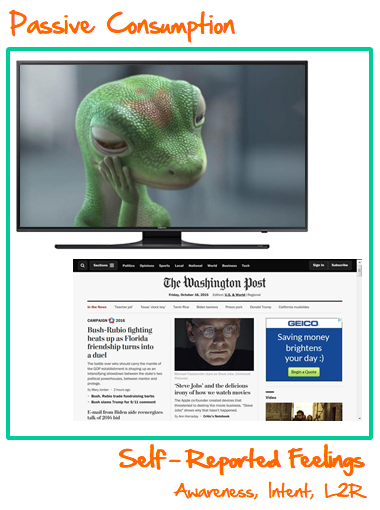
Here’s that picture for the example we are using, and the name I gave it is “passive consumption.”

passive_consumption

Over 90% of advertising is passive consumption. This means that the ad is in front of the human and they may see it or not see it.

Even on the platforms where interactivity is at its very core (Instagram, Facebook, YouTube, etc.), almost all of the advertising does not elicit any sort of interactivity. If you look at the percentages, almost no one clicks on banner ads, a small percentage on search ads, and you need only speak with a few people around you to see how many people actively engage with TV ads vs. run to the bathroom or pull out their mobile phone the moment forced-watch TV ads come on.

Keep in mind, this is not a ding against passive consumption or the hard work done by Geico's agency and internal teams. Blasting ads on TV does cause a teeny tiny micro percentage to buy insurance – a fact provable via Matched Market Tests, Media Mix Models. The teeny tiny micro infinitesimally small number of views of brand display ads will cause outcomes. (Hold this thought, we’ll come back to that in a moment.)

So, what is the passive consumption challenge?

First, how far the vision of the creative and media agencies/teams will see (thus limiting success – global maxima). Second, trapped in the silo the vision for what will be measured and deemed as success.

The first is heartbreaking. The second ensures the death of any long-term impact.

Let me explain.

With over 90% passive consumption…. Well, passive… Smart media and advertising agencies/teams will primarily use post-exposure surveys to measure awareness (what companies provide car insurance) and consideration (which brands you would consider).

The brilliant agencies will also measure elements such as purchase intent (how likely it is that you'll consider Geico as your next car insurance provider) and likelihood to recommend (how likely is it that you'll recommend Geico to your family and friends).

All of these metrics will cause surveys to be sent via various mediums to people who've seen the TV ads, the banners on Facebook, and the video ads on YouTube. And a subset of users who were not exposed to the ads. Usually, there is anywhere between a few hundred to a thousand survey responses that will end up providing a statistically significant sample.

The scores from these responses are presented in weekly, monthly, or quarterly meetings. Segmented by marketing activity, they are the end-all be-all justification for media spending. Snapchat increased aided awareness by +23%, let us spend more there. Or, billboards in Georgetown and Austin shifted purchase intent by +2%, we should triple our spend in Chicago.

Every measurement and optimization initiative is based on this cocktail of metrics. Thus delivering a positive, but local, maxima.

Even the next best innovation in media will be based on results from the same metrics cocktail. Thus delivering a little more positive, but still local, maxima.

Why not global maxima?

Because success is determined by, innovation is driven by, measurement that is self-reported feelings.

That name captures the actual thing that is being measured (feelings) by the metrics above, and where the data comes from (self-reported) after being exposed to our advertising.

This will help your company, your agencies, understand limits. Limits in terms of what’s happening (mostly, passive consumption) and what data we are looking at (all post-exposure and self-reported).

Limits in measurement that incentivize solving for a local maxima.

Let me repeat one more time. Passive consumption measured by self-reported feelings does drive some success – else Geico would not be the financial success it is. In the short-term some campaigns are trying to drive long-term brand influence or causing a shift in public opinion or simply to remind people your brand still exists as a choice. All good. Self-reported feelings are wonderful. Appreciate that even in those cases where you are not trying to drive short-term sales, if all you have are feelings converted into metrics… You are limiting imagination.

An obsession with just passive consumption by your agencies and internal teams delivers 18 points of success. I’m saying if you think global maxima, remove limits, you can do 88 points!

The Business Ecosystem: Active Engagement.

Getting those additional 70 points success requires breaking the self-imposed creative/media/advertising silo and caring about the human behavior if people lean-in instead of passive consumption – when they take an action (a click, a phone call, a store visit).

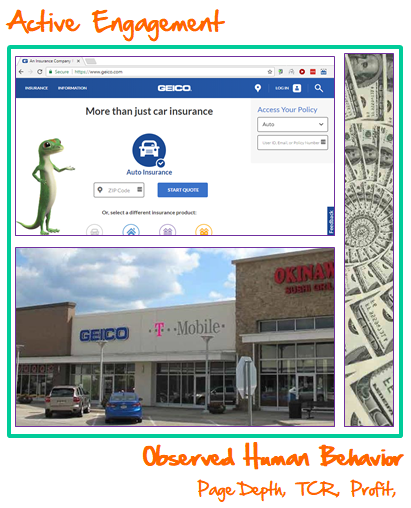
Time to draw another picture, and give this behavior a name.

I call it… drum roll please… Active Engagement!

active_engagement

Some people, between 0.01% to 10% (so rare!), who see Geico’s online ads will visit a Geico retail store or Geico's website.

People are actually doing something. They are walking into your store, talking to an agent, picking up the literature, calling you on the phone, clicking on to your site, watching videos, comparison shopping, and more. This is all human behavior that your tools can report for you.

A small percentage will end up buying insurance – mazel tov! –, providing perhaps the most valuable data.

The lucky thing about active engagement is that, in addition to self-reported feelings, you also get tons of highly-useful quantitative data representing human behavior.

I call this type of data: Observed Human Behavior.

If you are a part of an creative, media, or an internal company team, you have two powerful issues you can solve for: passive consumption (happens most of the time) AND active engagement (happens some of the time).

Likewise, you can seek to understand performance using self-reported data where the people reflect on how they feel, along with behavior data that represents what they actually do.

The combination of these two factors deliver the much needed Global Maxima perspective.

That is how you shatter silos. The creative agency has to care about how ads perform in their labs, in the real world, and what kind of online and offline behavior the creative is driving (end-to-end baby!). The media agency has to care about the creative and where it needs to get delivered (recency, frequency FTW!), and the bounce rate (70% ouch, 30% hurray!) and profit from each campaign. The retail experience team, the call center delight team, and the site experience team will break their silo and reach back into understanding the self-reported feelings data from the media agencies and the ideas that lead to the creative that delivered a human to them.

Everyone cares about the before and after, solving for the overall business rather than their little silo. Passive consumption plus active engagement equals global maxima. Or, self-reported feelings plus observed human behavior equals global maxima.

: )

Here’s a massively underappreciated benefit: It also encourages every employee – internal and external – to take full credit for their impact on the short and long-term effects of their effort.

It is rare to see this happen in real life, even at top American and European companies.

What’s usual is to see the three silos between creative agencies, media agencies, and company internal team. There is usually further sub-segmentation into passive consumption teams (also lovingly referred as brand agencies/advertisers) and active engagement teams (performance agencies/advertisers). The further sub-sub-segmentation into products and services (depending on the company).

They then quickly fall into their respective measurement silos, solving for the local maxima.

Change starts with naming things and drawing pictures. Gather the key leaders at your company and agency partners. Show them passive consumption and self-reported feelings along with active engagement and observed human behavior. Talk through the implications of each picture. Ask this influential audience: What can you contribute to when it comes to breaking silos?

I have yet to meet a single company where simply drawing the picture did not result in a dramatic rethinking of focus areas, responsibilities, and ultimately priorities.

Accelerating Success: Five Quick Changes.

Once you have that discussion, what should you do to truly cause a significant change in behavior?

Five Es form the core of the strategies that I end up using (please share your's via comments below). They are:

1. Expand the scope of data your employees use.

For the people who buy your television ads, include both store and website traffic data. Break the shackles of GRPs and Frequency.

For people buying your display ads on Facebook, include page depth, bounce rate, as well as micro-conversion rates for those campaigns. Break the shackles Awareness and Views.

For people buying your videos ads on Hulu, complement Hulu's self-reported feelings metrics with user behavior and conversion rates.

And continue going in this fashion.

2. Expand the incentives structures for your employees.

Most marketing employees, both internal and external, undertaking passive consumption initiatives are rewarded for cost per TRP, effective reach, awareness and consideration increases, etc. Whatever this bucket as an employee incentive, it can stay.

Consider adding one or two KPIs from active engagement. For example: Store visits, phone calls (as a result of that increase in consideration). Website visits, loyalty, micro-outcomes, and 25 other easily-available observed human behavior metrics are available to you pretty much in real-time.

For people who own responsibility for your stores, call center and website, take a metric or two from passive consumption and make it a small part of their incentive structure.

People respond to what they are compensated with, or promoted for. Use it to solve for a global maxima in the company and its customers.

3. Expand the time horizon for success.

This is really hard.

You buy 100 TRPs, it’s expensive, and the executives tend to start badgering you for immediate results.

The problem is that self-reported feelings data takes time, and since at least 90% of passive consumption leads to no immediate active engagement, all this does is incentivize bad behavior by your agencies and employees. Long-term objectives are thrown onto the chopping block and long-term strategies are judged on short-term success – which immediately ruins the campaign’s measurement. Oh and the audience being bombarded by your ads that are trying to deliver short-term outcomes from long-term creative and campaigns… They despise you because you are sucking, they can see that, and they instantly realize your are wasting their time.

No matter how much your wish, a Chicken won’t birth a Lion’s cub.

If you want short-term success, define the clearly as a goal, pick the right short-term self-reported feelings metric and observed behavior metric, now unleash your creative agency and their ideas (on that short-term horizon), then plead with your media agency to buy optimal placements, and ensure the retail/phone/web experience is not some soft and fuzzy experience, rather it is tied to that clear goal and success metrics. Sit back. Win.

If you want long-term success… Same as above, replace short with long. How amazing is that?

4. Expand the datasets that teach your smart algorithms.

If you’ve only visited this blog once in the last 12 months, or read just one edition of my truly amazing newsletter :), Marketing <> Analytics Intersect, it is quite likely I have infected you with the passion to start investing in machine learning in order to bring smart automation to your marketing and user-experience initiatives.

If you are following my advice, make absolutely sure that you are not training your algorithms based solely on passive consumption, self-reported feelings data. It is necessary, but not sufficient.

Rich observed behavior data will provide your algorithm the same broad view of success as we are trying to provide the humans in #2 above. In fact, the algorithms can ingest way more data and complexity. Thus allowing them to solve for a super-global maxima compared to our humble abilities.

Every algorithm is only as smart as the data you use to educate it. Don't short-change the algorithm.

5. Expand leadership comfort level with ambiguity.

For your TV efforts, there are limits to what you can measure. You have self-reported feelings data, and usually that’s about it. If you have a sophisticated world-class measurement team, you may be running some controlled experiments to measure one or two elements of active engagement observed human behavior data.

For YouTube or Hulu on the other hand, you’ll have additional self-reported feelings data, and if you follow my advice today, plenty of directly-causal observed human behavior data at your disposal.

Get very comfortable with this reality, and execute accordingly.

When some executives are not comfortable with this reality, they typically end up gravitating towards the lowest common denominator. Even in regards to strategies where more is possible (digital), they just end up using self-reported feelings data for everything.

I do understand why this is; executives are pressed for time, so the executive dashboard needs only one metric they can compare across initiatives. This instantly dumbs-down the intelligence that could help contribute to smarter decisions.

Kindly explain this to your executives, share with them the value of being comfortable with a little ambiguity that comes from using the best metric for each initiative type.

We can achieve smarter global maxima decisions if we just use different metrics in some instances.

Closing Thoughts.

The larger the company, the harder it is to solve for a global maxima. Companies need command and control. Companies worry that people are going to run wild in 15 different directions. Companies need to reward an individual, that means creating a finite role that can be defined and measured at a small level. Companies add layers upon layers to manage. Companies create org clusters (divisions). And, more.

Every one of these actions forces a local maxima. Every human can see their few pixels and have no idea what the image looks like.

Even if then the company progresses little by little, they’ll run out of luck one day. Worse some nimble small company – that does not yet have to worry about all of the above – will come eat your breakfast first, then dinner and then lunch.

The lesson in this post applies across the entire business, even if in this instance it is applied to marketing and advertising.

Paint a picture of what the local maxima execution looks like in your division – or better still company. Give these pieces a name. Then, figure out, like I’ve done above, what the connective tissue is that’ll incentivize global maxima thinking and execution.

Carpe diem!

As always, it is your turn now.

In your specific role, are you solving for the global maxima or a local maxima? How about your creative and media agencies? Your internal marketing or product teams? Has your company done something special to ensure that teams are considering both self-reported feelings and observed human behavior? Is there a magic metric you feel that’ll encourage each piece of the business success puzzle to solve for a global maxima?

Please share your wisdom, tips and secrets to success via comments below.

Thank you.

The post Breaking Silos: Passive Consumption + Active Engagement FTW! appeared first on Occam's Razor by Avinash Kaushik.


from Occam's Razor by Avinash Kaushik https://ift.tt/2FqGl4V
via IFTTT

See The Landing Pages These Shopify Merchants Used to Scale Ad Revenue 33X

Year round Liz and Bill Farrell, a husband and wife team, work the dirt at Fat Stone Farm in Lyme, Connecticut with their two kids.

After making the move from cubicles to the great outdoors, the Farrells realized they loved growing fresh food, and creating healthy, farm-grown products ranging from elderberry apple shots to their own maple syrup.

Now—when you think of a typical farmer’s marketing strategy—you might picture a hand-painted sign at a local market, but Liz and Bill run a digital elderberry empire.

The couple started as Shopify merchants and then partnered with digital agency Webistry to take their business to new heights. They wanted to see better return on ad spend, and prepare for winter (their best sales season of the year).

It was a perfect partnership from the start, but nobody could predict that a combo of Unbounce landing pages, popups, a Shopify integration, and near obsessive audience building and retargeting on Facebook would:

  • Lower cost-per-acquisition from $145 (at its highest) to just $1.55(!) for the company’s Elderberry Apple Shots and DIY Gummy kits.
  • Increase return on ad spend for their Elderberry Apple Shot campaigns from 1.66X to an incredible 33.12X.
  • Deliver a cost-per-lead for a sweepstakes campaign of just $0.51.
  • See sweepstakes conversion rates from ad click to entry of up to 79.55%.
  • And garner Facebook relevance scores of 8s and 9s.

Overall, with Webistry’s help, Fat Stone Farm tripled ROAS in just five months (December ‘16–April ‘17), and—via continued optimizations—reached returns of 33X over a year and three months.

Here’s their epic ecommerce story, and the paid media tactics that could work for you too.

Winter is Coming

Historically, sales of Fat Stone Farm’s Elderberry Apple Shots go up in winter to help fight off flu season. So in early winter 2016, Bill and Liz approached Jonathan Naccache, Co-Founder at Webistry to prep some advertising.

The agency discovered that they couldn’t look to AdWords for a huge win. The search volume for elderberries or related products wasn’t super high, and this approach simply wasn’t scalable. Instead, they needed to generate extremely targeted custom audiences on Facebook (which can be difficult because prospects on Facebook aren’t necessarily screaming about their love of elderberry – these prospects need to be uncovered).

In Webistry’s approach, each ad campaign would target a group of interests that could coincide with elderberry products. They’d target Facebook users who’s interests included: alternative medicine, natural remedies, homesteading, or those engaging with popular health blogs like Mother Earth News and Wellness Mama.

It took a lot of research, and as Jonathan says this is where the agency advantage comes into play: “having access to several strategic minds, resources and thorough research gets you a significant edge right off the start.”

The First Ad to Shopify Landing Page Combo

From December 2016 to January 2017, Webistry ran campaigns on Facebook targeting each of the audience segments they’d identified might be interested in the elderberry shots.

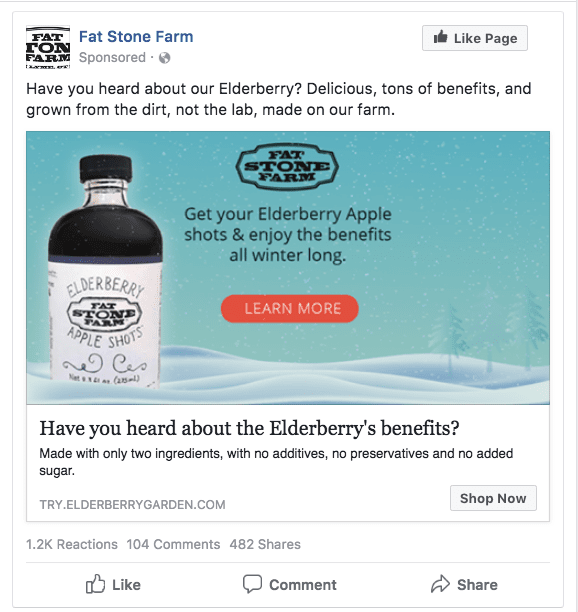
Here’s an example of some of the ads (corresponding to fall and winter seasons):

Pictured above: the ads Webistry ran to the associated landing page.

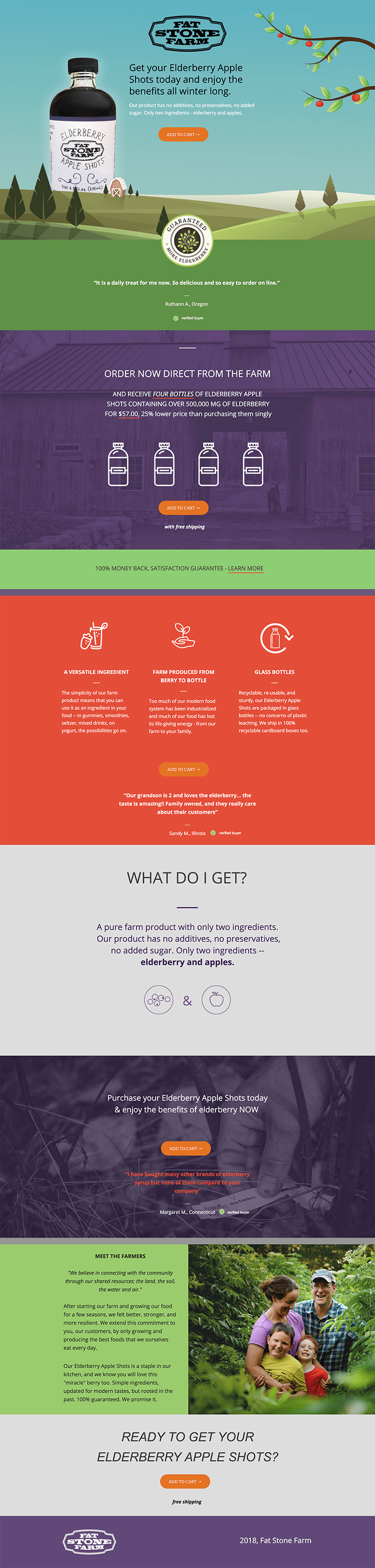
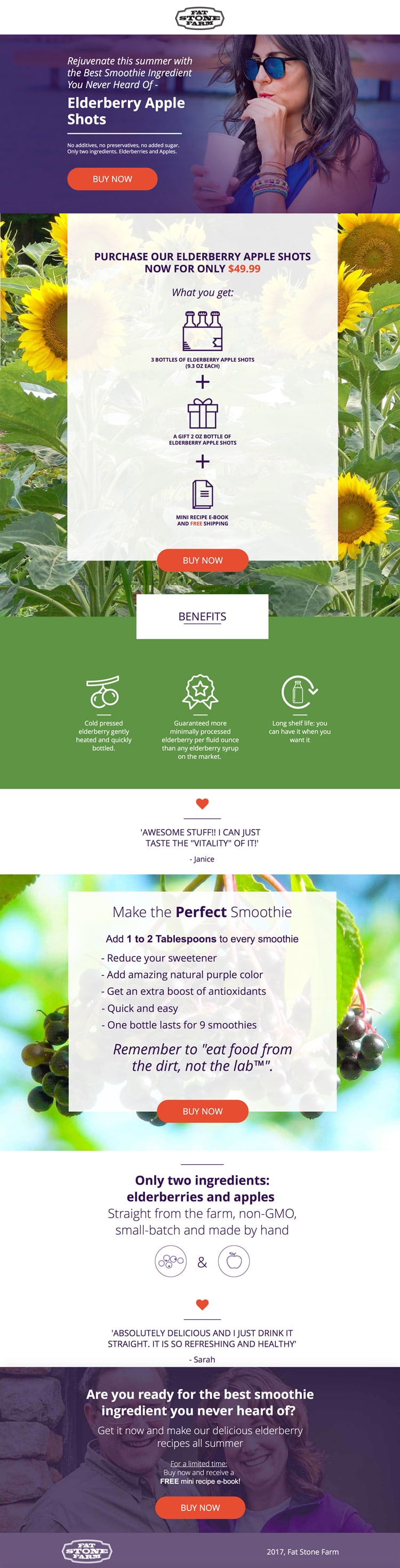
All elderberry apple shots ads led to this Unbounce-built PPC landing page, which converts at 4.7% (lifetime average conversion rate). A conversion in this case was a purchase via the ‘add to cart’ button):

Notice the benefit copy from the ad headlines is carried through to the Unbounce landing page. Click to see a larger version.

And while the orange ‘add to cart’ button on the page looks deceptively simple, it’s actually where the magic happens. Instead of redirecting prospects to the brand’s Shopify store, Webistry fashioned custom javascript to make the button integrate seamlessly with Shopify and offer a slick, on-page checkout experience:

Interested in adding a Shopify cart to your Unbounce landing pages? Webistry shared the custom Javascript in our community. Head over, grab the script, and drive purchases on your own pages.

Two months into this campaign, return on ad spend was 1.66X, and cost-per-purchase was fluctuating between $19 and $145. Jonathan knew they could improve upon these early results and began targeting audiences of vegetarians, vegans, healthy eating affectionados, and homesteaders.

And so, in April 2017 the agency launched a new landing page campaign for smoothie lovers.

The idea was to position the elderberry product as the ideal ingredient to add to a smoothie. Here’s a sample ad used to launch this campaign:

And of course, the landing page this ad pointed to:

This beautiful landing page converts traffic to purchase at 9.44%

Beyond driving sales, the agency realized there was potential for lead capture here too (as a means of remarketing to especially interested prospects later), so they added an on-exit popup to this page. It offered up a free smoothie recipe book and integrated with a Mailchimp autoresponder.

With an 18% conversion rate, here’s the popup built in Unbounce:

The smoothie campaign helped drop cost-per-purchase down to ~$9.65, and Bill and Liz saw a return on ad spend of 3X from their initial investment after just five months of executing this strategy.

This was great, but Webistry wanted to help Fat Stone Farm stay present in their potential buyer’s world year round. They could lie low waiting for winter again all summer, or they could start developing highly refined retargeting and lookalike audiences to reach all year long.

The Sweepstakes That Raised the Stakes

In May 2017, continuing in the off-season, it was time to start preparing for their next winter. Fat Stone Farm was seeing major benefits from refined Facebook audience targeting, so Jonathan and the team extended this strategy with sweepstakes.

They used weekly sweepstakes as a means to gauge and track prospect’s interest in the products, then later in the winter, they created Facebook lookalike and retargeting audiences to get in front of similar groups of interested people regularly.

As Jonathan shares, this allowed the team to generate even better target audiences:

“Our goal was to create campaigns that helped us measure different levels of interest, and to identify these audiences by tracking every event with a pixel. We had a drip campaign setup, and non-winners of the first sweepstakes were given access to a second sweepstakes.”

That is – those who didn’t win each week were offered access to another sweepstakes prize (either the breakfast pack or gummy pack product). This helped introduce prospects to other Fat Stone Farm products and gauge interest for these versus a complementary offering like smoothies.

Here’s a sample ad for the sweepstakes:

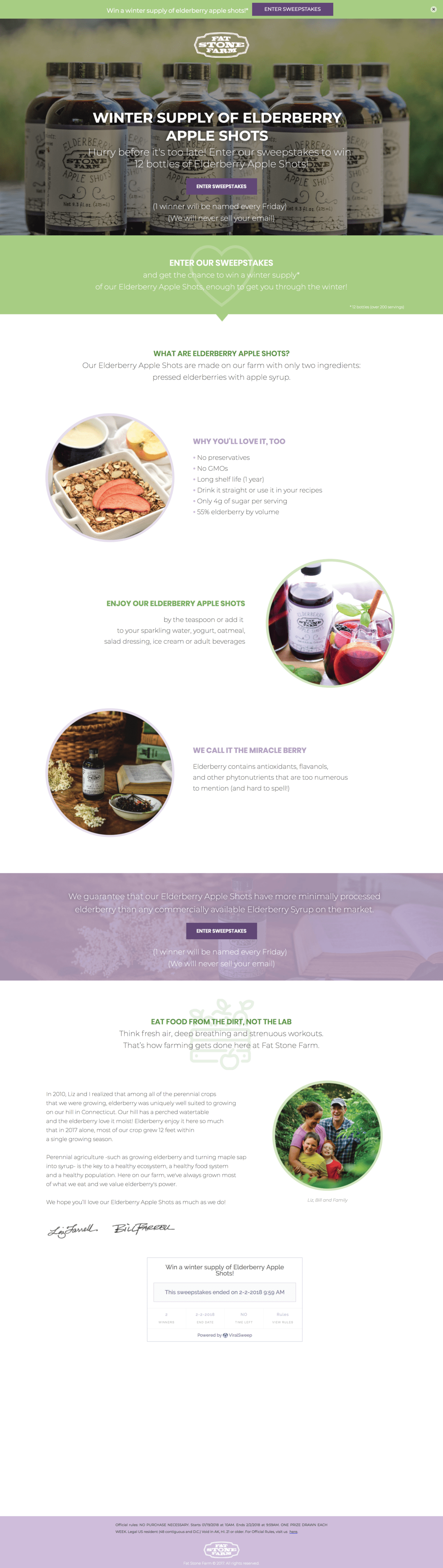
And here’s the first landing page touchpoint:

Click the image above for a closer look.

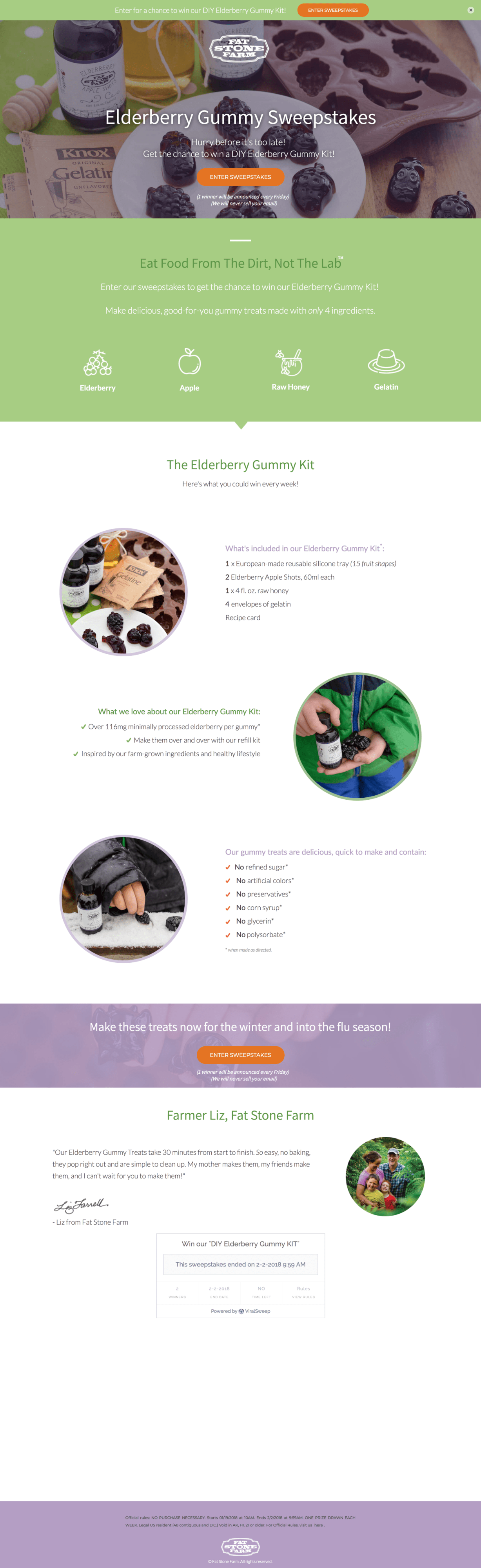
If you didn’t win, you might be sent a second offer in the sweepstakes, with a chance to win an Elderberry Gummy Kit via the landing page below:

Click the image above to see the full landing page.

Of the people who clicked through on the Facebook ad and reached the first landing page above, 18.79% converted. Moreover, of the people who did not win the first sweepstakes, but clicked through the email announcing the second sweepstakes, 79.55% converted via the landing page.

Hot tip: Webistry embedded a third party tool called ViralSweep on these pages. It’s a sweepstakes application to help manage entries, select a winner at random, and allows people to win bonus entries by referring friends via social.

Not only did this campaign collect over 15,000 relevant leads that Fat Stone Farm could remarket to year long with terrific offers, but it reduced cost-per-lead down to a mere $0.51.

Which brings us to…

Winter Season, 2018

After all the ad testing, landing page alterations, and lessons along the way, Webistry re-launched the sales campaigns using six months of audience-segmented data.

They launched the gummy kits as a standalone product landing page (vs. the sweepstakes page) and continued to sell the Elderberry Apple Shots. The best part? From January to March 2018 Webistry achieved the highest return on ad spend for Bill and Liz since starting to work with them: a whopping 33.12X.

Additionally, this season they saw the lowest cost-per-acquisition of just $1.55.

As Bill Ferrell says of the partnership with Webistry:

“These guys are worth every penny. Excellent results (very high CTRs, good CPA, [and] lots of new customers!). The Webistry co-founders are hands-on, creative, and keep tweaking throughout. Their attentiveness to the campaigns and my crazy ideas have exceeded my expectations month after month.”

Berry good results indeed.


from Unbounce https://ift.tt/2rbQ1LB
via IFTTT