Tuesday, July 30, 2019

Transcript of Why Reviews Matter to Your Business

Transcript of Why Reviews Matter to Your Business written by John Jantsch read more at Duct Tape Marketing

Back to Podcast

Transcript

Break Through the Noise book cover

John Jantsch:  Today’s episode is brought to you by Break Through The Noise, the new book by Tim Staples, Co-Founder and CEO of Shareability. In his book Tim reveals his secret sauce for how to capture the attention of millions of people online, without spending millions of dollars.

John Jantsch: Hello and welcome to another episode of The Duct Tape Marketing Podcast. This is John Jantsch, and my guest today is Aaron Weiche. He is the CEO of GatherUp, a review and customer feedback platform, and that’s what we’re going to talk about today, is getting reviews, customer experience feedback, all that good stuff that we need to do to understand who our buyers are, and what we do that’s unique. Aaron, thanks for joining me.

Aaron Weiche: Yeah, you bet. Thanks for having me on, John.

John Jantsch: Let’s just talk some basics. I mean, I assume everybody knows what reviews are, those things that Google, and Facebook, and things, people have been leaving for years, but now they’re on these digital platforms. Let’s talk about how important they are, that we kind of take over, or at least participate in that process.

Aaron Weiche: Yeah, two really big high level signals that I look at and put a lot of trust in is one, just what you see when you do a search at Google itself, and that I test is, whether I’m looking for a product, or a hotel, or a service, who’s going to take care of my lawn. Almost all of those results nowadays in some way, shape, form, or another are accompanied by review stars.

Aaron Weiche: We definitely see a very strong signal from the biggest window into the web through Google, that reputation really matters, and they are bringing it to the conversation right in that search result, very high, and very visible for a user to interact with. Then, the second is just around a lot of studies in the last handful of years that show overwhelmingly, to the tune of like 85% or more, that we trust online reviews as much as we trust talking to humans that we know. When you kind of combine those things of a very high trust level, and it’s very visible, and Google doesn’t do things by accident, I think that’s a very, very large signal to any small business that your reputation is tied to how you’re viewed in the world.

John Jantsch: There’s certain industries, nail salons, restaurants, hotels, I mean you’re under three stars and you’re just done because people really count on those for those. But, would you say that, that has now kind of permeated out to just about every industry?

Aaron Weiche: Absolutely. No one is void of reputation being part of that decision, and the best way I summarize this is, we have every option available to us when we do a search now, right? Even when you get into a very obscure business or service provider, you still might have three or five choices that you can look into. Time is such a huge commodity, we’re not going to call, or fill out a contact form on all of them. As a consumer, we’re looking to make the most informed decision, and reach out to one.

Aaron Weiche: When you look at that, brand and reputation is often one of those big factors, and what do other people have to say about working with this business. Are they reputable and trustworthy, because I’ve never used them before, and are they worth me putting a call into, or giving up my email address, or filling out a contact form?

John Jantsch: Do you think that consumers understand the difference between what we might call first party and third party reviews? In other words, you go to a website and they’ve got all these glowing reviews on their website, but then there’s Google who is aggregating these theoretically in a sort of impartial way. Do you think consumers understand the difference between those?

Aaron Weiche: I think they do a little bit, but what I think is even more important to the consumer is, is there depth, and is there information, and are there answers in those reviews? I think that’s much more of a deciding factor, because if it’s helpful to the consumer, I think they start to look at less what’s the source, how is it organized, what’s the rating scale, and everything else. But, if they’re able to get answers to their questions, and be able to identify with what they’re reading and have that aha moment where they’re like, “Oh yeah, that’s me,” the way this person is describing this, or their experience with it. I think that’s what’s most important to them.

Aaron Weiche: I think when you do a good job of bringing that type of content to the table, they really don’t care how it was acquired, or what went on with it. They’re just happy that they have the answers that they need to move forward.

John Jantsch: Okay, so on Google’s five point or five star scale, is there a perfect aggregate score that you should be aiming for? Here’s the genesis of my question, I mean you see these ones that a plumber, and I’m not picking on plumbers. But, 147 reviews, all five star. Do we believe that?

Aaron Weiche: Yeah, I definitely think small business owners and marketers, we fall victim to the perception of perfect. As a long time SEO industry friend of mine, Matt McGee once said, we don’t live in a five star world. I think it’s important for businesses as well. One study I cite a lot when I give talks is, Northwestern and PowerReviews did a study, and they actually found that 4.2 to 4.5 was the most trusted. That showed that you’re doing a great job, but you’re also not perfect. Because, just as you noted, when you see this large quantity of reviews and everyone has had this perfect experience, there is a part of you that says, “That seems a little bit too good to be true.” I think authenticity is a really big part of it, and I tell people all the time, don’t obsess on being perfect. Definitely focus on being great, consistently over and over again.

John Jantsch: Yeah, and I think because we all know people that, you can give them $100 bill, and they’d give you a three star review, you know? I mean, some people just won’t give anything five stars.

Aaron Weiche: Yep.

John Jantsch: I agree with that. Do you think that business owners, small business owners should get proactive? I mean, be asking every one of their customers for a review, or does that somehow taint it?

Aaron Weiche: I think more important than that is, you should be asking and understanding what your customer thinks. I get that Google reviews are so visible. I call them … right? They’re like sprinkles on the doughnut. They’re what attract you to the window, and get you to look up close, and have you thinking about it. But, I look at whatever your customer thinks about their experience with your business, how it went, that’s more important. Whether they tell Google, Facebook, TripAdvisor, or whether they tell you directly, you need to know what they think. Absolutely, you need to be proactive with that, because we’re all inundated with so many things to do, and things we forget, and whatever else. If you’re not taking control, and taking the time to ask that customer, and make it really easy for them to give you feedback and talk to you, then you are falling short in what you can do to understand that, and ultimately turn it into marketing power for you.

John Jantsch: Yeah, and I’m going to give you a little tip here, behind the scenes secret of something that I do.

Aaron Weiche: Ooh.

John Jantsch: We work with a lot of small business owners, one of the first things we want to do is match their message to their market. Guess what one of the best sources of information about what their message really should be, or what their unique difference is? A lot of times if somebody has a lot of glowing reviews from not just five stars and done, but like they wrote a paragraph about them, nine times out of 10 phrases and themes will come out of those reviews, that really do suggest, “Here’s what this business does that’s unique.” Or, “Here’s the problem this business really solves.” A lot of times we’ll build marketing campaigns around the content from their reviews.

Aaron Weiche: Yep, that’s absolutely perfect. I would take it a step further, I often tell people, do that research on your customer or your competitors reviews as well, right? Where are they driving these amazing experiences, and are you giving that same type of experience, or are you falling short and you need to change something? You’re right, reviews are a goldmine for what really makes a customer happy, and you need to make sure that you’re marketing and telling that story so that others desire to come have that same experience.

John Jantsch: I’ve worked with businesses over the years that have claimed, “Hey …” And we know, they have happy customers, they have repeat customers, they have advocates, but they can’t get them to write reviews. Is there something that actually tips somebody over the edge so that they’ll make that effort?

Aaron Weiche: Service all day long to me, is really the big one. We even see it within our own business, that they like our software, and they might write nice things about our software, but the minute that we are asking for feedback or a review after one of our support teams helps somebody solve something, or guides them in a direction, the response rate on that is through the roof.

Aaron Weiche: For a lot of businesses I always look at like what is that aha moment when you’re serving a customer, that you can see they’re really happy, you’ve solved a problem, you’ve relieved pressure, you’ve given that solution. That’s when you want to be prompting them, or letting them know how important a review is, or even them talking to you about the experiences, because they’re in that euphoria of what took place. That’s what I usually look to analyze with the business, and that’s the time you need to be asking.

Aaron Weiche: Secondarily, you just, you have to make it easy for them, right? Time is our biggest commodity, so if you can’t make it happen in a couple of easy clicks and in a really short interaction, you’re going to lose out. We all get these surveys in our inbox, right? You fly on an airline and they ask you to take a survey, and you get 30 questions in and you now, you liked that brand and now you’re like, “I really don’t like you. You’ve just stolen time from me within my day.”

John Jantsch: Just to let you know, this episode is brought to you by Break Through The Noise, the new book by Tim Staples. If you’re a marketer, an entrepreneur, or a small business owner and you have a limited budget to market to and connect with your customers, you need Breakthrough The Noise. Tim Staples shares the nine essential rules for mastering the art of online storytelling, and provides tools to help you outsmart the social media algorithms, increase your share of voice, and build your brand. Break Through The Noise by Tim Staples is on sale now wherever books are sold.

John Jantsch: Is there a proper moment in the customer experience to ask for reviews, feedbacks? Again, I know there’s no like one answer to that.

Aaron Weiche: Yeah.

John Jantsch: But, should the sales people, the technicians, the marketing people, I mean should everybody be doing it or is there a sort of proper sequence in your opinion?

Aaron Weiche: Yeah, well I think you hit upon what’s probably most important, and that it’s a human on your team asking, right? Even if you use an automated solution like ours, but that team member says, “Hey, just so you know, within the next day you’re going to get an email asking for some quick feedback and to write a review,” that’s build a relationship and saying like, “Hey, I provided you with great service. Will you repay that favor by giving us a review, or giving us feedback on our business?” We see that when that human ask is coupled with timing as close to the service as possible so that they haven’t forgotten about it, or missed details with it, or anything else. That’s really the winning combination, is that human ask as close to that service or experience.

John Jantsch: I know this will vary by lots of industries, but is there sort of a globally accepted kind of impact rating for star reviews? In other words, for every half a point, and again I’m just defaulting to Google because they have such an easy scale. But, like going from 3.5 to 4.2, does that have a measurable sort of percentage of impact of sales?

Aaron Weiche: Yeah, the one study that I know is probably quite old now was from Yelp, that they basically equated like a half star rating into what it would be for revenue within a restaurant. I can’t off the top of my head remember those numbers, but that’s the last really data driven study that I’ve seen on that.

Aaron Weiche: We tend to look at it a lot of times because we capture, and this is a whole ‘nother topic, but we capture net promoter score, which basically helps a business understand how likely that customer is to refer you. We just see a super strong correlation between those that are happy and willing to refer you, are also willing to give that digital referral, and write that review. We see it inside of that, and I think if you, over time, looked at businesses that have a high NPS and a high rating, you’re going to see them succeeding in their profit and loss and their sales, much more than anyone else.

John Jantsch: Well, and I know anecdotally, I mean when I’m traveling and I’m looking for a place to eat because I don’t have a recommendation, I mean there’s certainly judgements I make about if it’s under four or something, you know? I’m probably going to look elsewhere. I mean, I think a lot of people probably kind of operate in that same sort of vein.

Aaron Weiche: Yep.

John Jantsch:Do you think that there are demonstratively demographic trends to this? In other words, is a 30 year old only relying on reviews, where maybe a 60 year old is going to be asking somebody via email, or text, or something. Have you seen any? Those are just wild examples, but have you seen any correlation-

Aaron Weiche: Yep.

John Jantsch: …Demographically to the use of reviews, and their reliance on reviews?

Aaron Weiche: Yeah, what we have seen more is that evening out a lot more, and no surprise, right? When you have all of this information right in the palm of your hand in your smartphone, I think that’s really increased the access, and the amount of people wanting to rely on those things.

Aaron Weiche: Now, I think what we see more of happening is yes, a younger consumer, anywhere from 18 all the way up to 35, or even that next jump of 44, 45, they use it almost exclusively. Where, then when you trend into some of the olders, it’s going to balance out in some of the upper age brackets, where reviews are part of that consideration, but they still want some human referral, and maybe a few other sources to go along with it. Where, the younger you scale down, if I see it on the review site and I feel good about it, I’m good. I don’t need to ask any personal recommendations, or anything else.

John Jantsch: Let’s talk about the topic nobody wants to address, what percentage of reviews do you think are just blatant spam?

Aaron Weiche: I don’t know if I can give you a number, but I can tell you, too high, too high of a number. This is definitely a critical thing facing the industry as an overall, right? Google has really jumped leaps and bounds, multiples above how many reviews any other review site has. But, in doing so, anytime you go all in on quantity, quality suffers, and they have very little, and there’s been a lot more coming to the surface on fake reviews, bot reviews, all of these different combinations of spam reviews.

Aaron Weiche: We’re hoping in work in this industry, and we want its authenticity to play out, and have longevity, that something needs to be done there. Then, you even have on the other side, Yelp which is very polarizing for small businesses. They have something in place, right? But, they also, it’s so secretive to how they filter out reviews and things like that, that also causes distrust. We actually have both sides of the coin right now. We have somebody whose paying so much attention, and trying to make sure that only the best reviews from trustworthy people and whatever else are the ones that are showing, but they go so far to extreme that people don’t trust how they’re surfacing the results.

Aaron Weiche: Then, on the other side we have somebody who it’s such an open floodgate with so little being done, that when you start digging into a lot of things, that can cause a lot of distrust. It’s definitely probably at least at a five, 10%, maybe even more mark, which I think is just a shame considering the firepower that these companies have, to actually institute some pretty basic things, or just be more transparent on what they are doing with it.

John Jantsch: I loved your qualifiers in there, you said definitely, probably, maybe, at least five percent, I think is what you said. Not to pick on them too much because everybody else has, but Yelp sort of brought some of that on themselves, I think, in terms of marrying the selling of advertising with a review process. A more cynical person than I might suggest that there’s some things that are not so right there, but I know you have to be nice, you have to play nice because you don’t want them mad at you.

John Jantsch: Let’s talk about responding to reviews. What’s your take on that? Should every review you respond to, what’s your take?

Aaron Weiche: My personal take is, especially for a small business, absolutely do that, for a couple of different reasons. One, for the next customer that’s researching and looking to do business with you, it sends a strong signal that you’re listening, you pay attention, and you care to respond to your customers. It makes them envision how they’re going to be treated with you, respectfully. That, you’re going to listen to their needs, both online and off, and it’s a really good trust signal.

Aaron Weiche: Secondarily, when you do this through most platforms, it’s going to email and alert that customer that you’ve responded, so it’s another customer touchpoint, you’re thanking them for taking the time to write that review. All great things, and maximize those touchpoints with your customers, and let everyone see that you’re interactive with your customer base.

Aaron Weiche: Now, that grows exponentially when it’s a critical, or a bad review. You want to first respond to that customer and try to save that relationship, let them know you’re listening. Own the problem. Nobody wants to hear, “Well we were short staffed, the basement flooded,” yada, yada, yada. All they want to know is that if they ever came back again, they wouldn’t have this same poor experience, and that you care, you’re doing something to solve it, and you’re owning it.

Aaron Weiche: After that, you also…solving it for that person, you want to make sure that those next customers also see like yeah, they’re not perfect, but if something does go wrong they listen, they’re reasonable, they’re respectful, and they try to make it right. At the end of the day, that’s what most consumers want, is that confidence that if something does go wrong, they will be treated well, and the business will try to make it right with them.

John Jantsch:  Yeah, I have…obviously business owners get emotional about a negative review, particularly, “Well, that customer was unreasonable,” they just want to fire off their response to that person. I always tell them, write your response not to that person, write your response to the public, because that’s who’s going to see it.

Aaron Weiche: Yeah.

John Jantsch: I think that’s a good way to approach it, but it’s also, it’s, “Hey, they’re saying bad things about my business. How dare they.” It’s hard to take the emotion out of those, isn’t it?

Aaron Weiche: It totally is. I always tell people, because I do this for myself. I put myself in an emotional timeout when that comes in. Step away from the keyboard, let the emotion wear off, reread it for the facts that are there on what went wrong. The wait was too long, the food was cold, an expectation wasn’t met. Whatever that is, and then yeah, great point. Write it that way.

Aaron Weiche: I always tell people, write it, and then read it out loud, right? What does it sound like when you read it out loud to yourself, or to someone else? I also tell people, it’s not the emergency situation you feel like it is, because when you get a bad review, you suddenly think the entire world is reading that one star review that’s out there, and that’s not the case. You’re better off taking time to compose the right type of response, editing it multiple times, getting other people to weigh in on it, and two days later posting the right response, than you are rushing, being emotional, saying the wrong thing, and causing even more things to go wrong than what already went wrong with that review.

John Jantsch: I think we can all agree the social proof aspect of reviews, I mean I go there, I look them up, and they’ve got 25 reviews, and they all seem really good. What in your opinion is the SEO value of reviews?

Aaron Weiche: Yeah, I think really big value because, just as you pointed out, there’s kind of this content goldmine in there, especially when you’re providing a great experience and service, and that customer’s going to write about it. They’re writing from … in marketing, right? It’s always write from the persona of your customer. To me the big win here, is this is persona generated content. Let’s say I’m planning a trip for my family, I have four kids going to Disney World. I’m on TripAdvisor reading reviews on a hotel. Well, the minute I see someone else talk about that they have four or five kids, the same boatload that I have, and I start looking into how they spent their time, and what they did, and did the place they stay have all the amenities they want. I start to identify with that, I have met my equal persona.

Aaron Weiche: I just think that’s so important for a business to understand, that we all write great things about ourselves and our copy, how we’re the best, and the greatest, and an awesome staff, and all these other things. But, reviewers I think, they speak the language of the average consumer because they’re not trying to sell something, they’re just sharing what their experience was. I think that’s such a win, when the consumer can consume that.

Aaron Weiche: On the flip side for Google when they see that, that consumer is likely using keywords about the business, locations about the business, the types of terms a searcher is going to type in as well, and you’re bringing all of this additional content to a page that you wrote 300 words about your business. Well, if you bring in 30 words … or, 30 reviews about it, you might double the amount of content that’s talking about your service product, or your business.

John Jantsch: Aaron, we could talk all day about this, but better wrap it up and tell people where they can go to find out more about GatherUp, and the various services that you offer small business owners?

Aaron Weiche: Absolutely. If you visit GatherUp.com you can get a very detailed look at what we do, what our feature set is, case studies of businesses that we’ve worked with, our blog is very active, we share a lot of knowledge from the reputation and review space. We always invite you to come in and be able to learn from all of that.

John Jantsch: Awesome. Well, thanks for dropping by, Aaron. Hopefully we’ll run into you some day soon out there on the road.

Aaron Weiche: I appreciate it, John. Thank you.


from Duct Tape Marketing https://ift.tt/316zx7X
via IFTTT

250ok adds email validation feature

Following tests that show email address misclassified as “undeliverable”, 250ok Validation seeks to help marketers reach engaged consumers.

Please visit Marketing Land for the full article.


from Marketing Land - Internet Marketing News, Strategies & Tips https://ift.tt/32Vc8Ip
via IFTTT

Why Reviews Matter to Your Business

Why Reviews Matter to Your Business written by John Jantsch read more at Duct Tape Marketing

Marketing Podcast with Aaron Weiche
Podcast Transcript

Aaron Weiche headshot

My guest on today’s episode of the Duct Tape Marketing Podcast is Aaron Weiche, CEO of GatherUp. GatherUp is a platform that helps businesses capture customer feedback, testimonials and reviews.

Prior to joining GatherUp, Weiche worked for 20 years in digital marketing, most recently as COO of Spyder Trap, a digital agency based in Minneapolis. He speaks nationally about search marketing, web design, and reputation management.

On this episode, we discuss Weiche’s work with GatherUp, and he shares everything small business owners need to know about soliciting reviews, and monitoring and managing their online reputation.

Questions I ask Aaron Weiche:

  • Do reviews matter in every industry?
  • Do consumers understand the difference between first-party and third-party reviews?
  • What drives a happy customer to take that extra step and write a review?

What you’ll learn if you give a listen:

  • Why depth of information matters more than the source of the review.
  • How small business owners should respond to reviews.
  • How reviews play into a business’s SEO.

Key takeaways from the episode and more about Aaron Weiche:

Like this show? Click on over and give us a review on iTunes, please!

Break Through the Noise book coverThis episode of the Duct Tape Marketing Podcast is brought to you by Break Through the Noise, the new book from Tim Staples. Staples is the co-founder and CEO of Shareability, a company that uses content, data and technology to drive explosive growth for major brands like AT&T, Hyatt, and the Olympics and major celebrities like Cristiano Ronaldo, John Cena and Leonardo DiCaprio.

In this book, Staples shares his nine-step approach that anyone can use to launch their product or service, capturing the attention of millions of people online, without having to spend millions of dollars.

Learn more about the book and order your copy here!


from Duct Tape Marketing https://ift.tt/314Xn40
via IFTTT

8 Incredibly Simple Ways to Get More People to Read Your Content

Your precious words. You know they’ve got to be right to attract the audience you want. You’ve carefully crafted each...

The post 8 Incredibly Simple Ways to Get More People to Read Your Content appeared first on Copyblogger.


from Copyblogger https://ift.tt/2LOBrGE
via IFTTT

How to Put Together An Effective Remarketing Strategy

How to Put Together An Effective Remarketing Strategy written by John Jantsch read more at Duct Tape Marketing

Remarketing is an incredible marketing tool. Before the days of the internet, if someone came into your store, browsed, even picked up and really considered a product, but then left without purchasing, there was no way to guarantee you’d ever see them again.

However, remarketing allows you to reach out to those prospects who are on the fence. When someone browses your website but doesn’t convert, it’s now possible for you to pop up again in their field of vision through the power of remarketing! You can target them with your advertising on other websites, and hopefully staying top of mind will eventually lead to that much-desired conversion.

This already sounds like a pretty great marketing tactic, right? It is, but there are ways to build a remarketing strategy that can take your efforts to the next level and get even more conversions from interested prospects. Here’s how you do it.

1. Set Goals

As with any great marketing campaign, an effective remarketing strategy starts with goal setting. What are you trying to do with these ads? This will depend on the kind of business you run. If yours is an e-commerce shop, selling relatively inexpensive items, you might be looking to get someone to make a purchase.

However, for those who run businesses with longer sales cycles—for example, a B2B consulting firm—your ideal conversion might not be a sale. Instead, it might be getting someone to give their email in exchange for access to a free ebook.

No matter what kind of business you run, it makes sense to set really specific goals for each remarketing campaign. Rather than creating one ad that you hope will serve various audiences, it’s best to establish a handful of specific goals and then create different ads that speak to each goal.

2. Decide Where You Want to Advertise

Remarketing can be done via search engines like Google or through social media sites like Facebook. Once you’ve established your goals, you can begin to think about which platforms make the most sense for your ads.

The major benefit to advertising on social media is that you are likely to get likes, shares, comments, and reposts from interested people (and since you’re retargeting your messaging to those who have already been to your website, you know they’re already interested in your brand!). Search engine marketing, however, will follow your customers across any websites that are ad partners with the search engine you do business with. This means that your audience will be greeted with your advertising across the web, not just on the social media site you’ve selected.

There’s no need to limit yourself to one platform. There’s often a huge benefit to being seen multiple times by your audience. Most people need to see a brand seven times before they decide to engage with them, so the more times you can get your name in someone’s field of vision, the better.

3. Define Your Audience

Once you’ve come up with your set of goals, you can begin to define and segment your audience. Let’s say you own a clothing store that has both a brick and mortar and e-commerce presence. There are a number of ways, then, that you can and should break down your audience.

You can segment and target based on location. For those people who have visited your website and live within a certain radius of your store, you can target them with advertising about your brick and mortar location. These ads, of course, are not relevant to people living on the other side of the country, so those folks should instead be targeted with advertising specific to your e-commerce offerings.

Those who have visited your store and browsed your men’s clothing options, you can retarget with messaging specific to your menswear options (and you can target those interested in women’s clothing with those offerings). You can even retarget customers who have taken specific actions on your website. For example, you can set your campaign to only show to customers who have put items into their cart on your site and then navigated away without completing the purchase.

The goals you set for each campaign will inherently be aligned with a specific audience. Defining the audience for your campaign early on ensures that your advertising is only being shown to the most relevant people, meaning you’ll get the greatest ROI on your campaign.

4. Set Your Creative

Once you’ve set goals and decided on your target audience, it’s time to settle on your creative. A huge part of creating great content is understanding your audience and speaking to them in your brand’s voice and tone.

There are also tools that help you to optimize your approach when it comes to content. If you’re running your remarketing campaign through Google, you can use responsive ads. With responsive ads, you input your various creative elements—different headlines, copy, and images—and Google runs them in various combinations so that they can learn which ones are most effective. From there, they’ll run the best-performing ads on your behalf, to give your ads the greatest shot at success.

5. Run Your Ads and Track Results

The final step is to get your ads up and running! Fortunately, advertising platforms provide detailed analytics so that you can accurately measure the results of your campaigns. The analytics allow you to measure engagement and conversions on each ad. Armed with this information, you can tweak your strategy as you go.

If there are certain ads that aren’t doing well, consider changing up the creative. If there are certain websites where retargeting is not effective, you can ask that Google not show your advertising on those sites any longer. Being willing to pivot and change tactics along the way is a huge part of finding long-term success with your retargeting efforts.

Remarketing is an incredible opportunity for you to recapture the attention of consumers who have already shown interest in your brand. When you take things step-by-step and develop a real strategy for reaching out to various segments of your audience, you can create campaigns with a great ROI.


from Duct Tape Marketing https://ift.tt/2YvNRoH
via IFTTT

Advanced Hack: How to Improve Your SEO in Less Than 30 Minutes

digital marketing

I’ve been testing a new SEO hack and it works no matter how old or how new your site is.

Heck, you can have barely any links, and I’ve found it to work as well.

Best of all, unlike most SEO changes, it doesn’t take months or years to see results from this… you can literally see results in less than 30 minutes.

And here’s what’s crazy: I had my team crawl 10,000 sites to see how many people are leveraging this SEO technique and it was only 17.

In other words, your competition doesn’t know about this yet!

So what is this hack that I speak of?

Google’s ever-changing search results

Not only is Google changing its algorithm on a regular basis, but they also test out new design elements.

For example, if you search for “food near me”, you’ll not only see a list of restaurants but you also see their ratings.

food near me

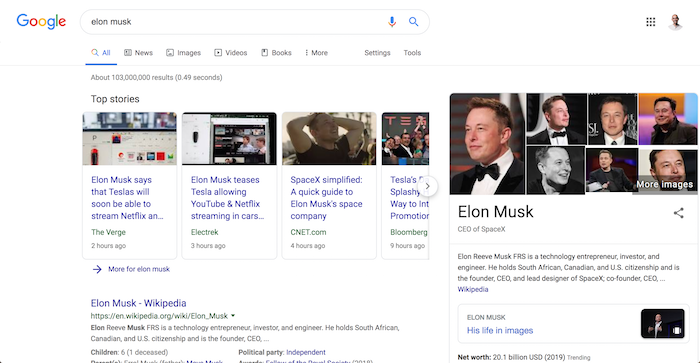
And if you look up a person, Google may show you a picture of that person and a quick overview.

elon musk

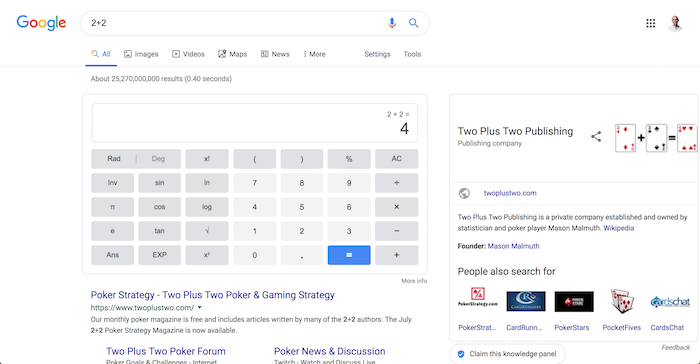
Over the years, Google has adapted its search results to give you the best experience. For example, if you search “2+2” Google will show you the answer of “4” so you don’t have to click through and head over to a webpage.

2 plus 2

But you already know this.

Now, what’s new that no one is really using are FAQ-rich results and Answer Cards.

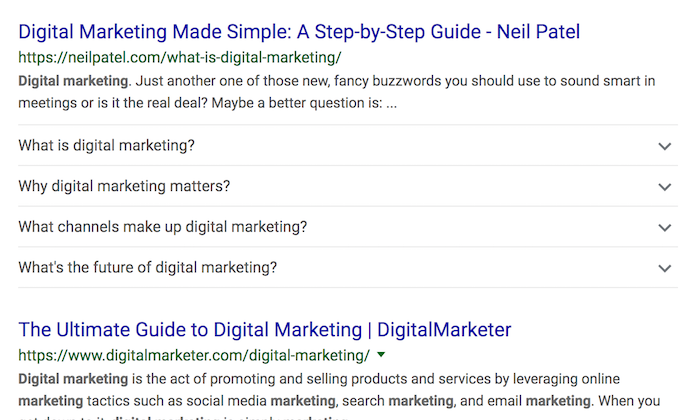
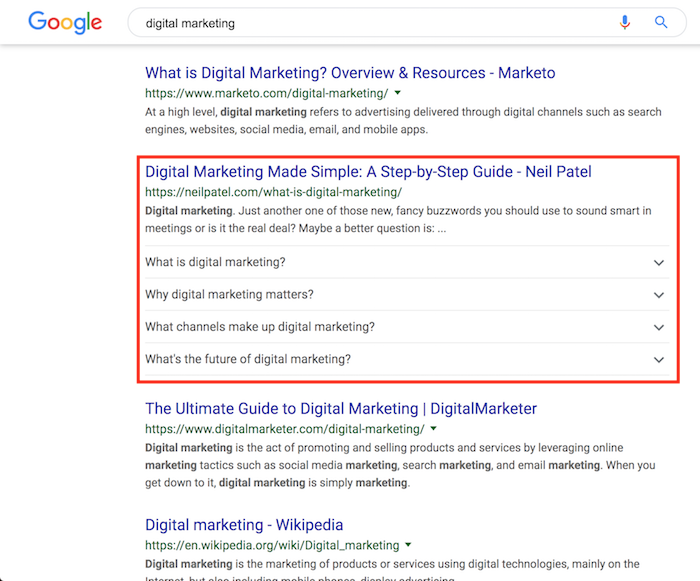
Here’s what I mean… if you search “digital marketing” you’ll see that I rank on Google. But my listing doesn’t look like most people’s…

digital marketing

As you can see from the image above, Google has pulled FAQ rich results from my site.

And best of all, I was able to pull it off in less than 30 minutes. That’s how quickly Google picked it up and adjusted their SERP listing.

Literally all within 30 minutes.

And you can do the same thing through Answer Cards anytime you have pages related to question and answers.

qa example

So how can you do this?

Picking the right markup

Before we get this going with your site, you have to pick the right schema markup.

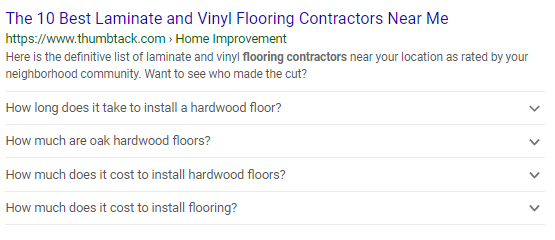
FAQpage schema is used when you offer a Frequently Asked Question page or have a product page that contains frequently asked questions about the product itself. This will let you be eligible for a collapsible menu under your SERP with the question, that when clicked on, reveals the answer.

faq rich result

It can also let you be eligible for FAQ Action that is shown on Google Assistant. This can potentially help get you noticed by people using voice search to find out an answer!

faq action

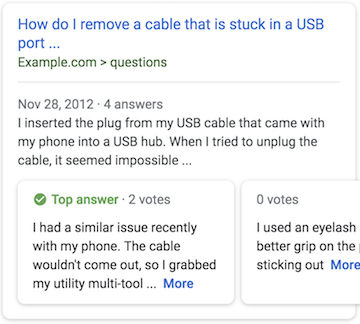
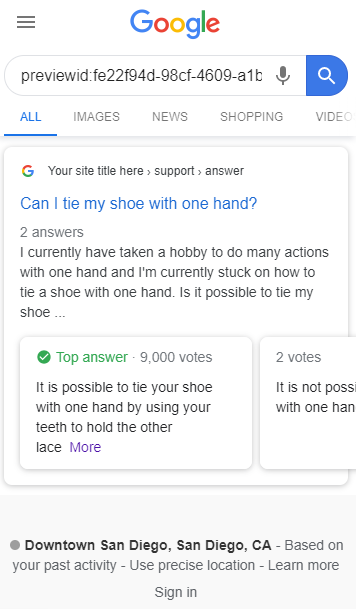
Q&A schema is used when people are contributing different types of answers and can vote for which answer they think is the best. This will provide the rich result cads under your SERP and shows all the answers, with the top answer highlighted.

qa rich result

After making sure you understand what these are used for, Google also has additional guidelines on when you can and can’t use these schema’s for:

Google’s guidelines

Google has a list of FAQpage schema guidelines.

Only use FAQPage if your page has a list of questions with answers. If your page has a single question and users can submit alternative answers, use QAPage instead. Here are some examples:

Valid use cases:

  • An FAQ page was written by the site itself with no way for users to submit alternative answers
  • A product support page that lists FAQs with no way for users to submit alternative answers 

Invalid use cases:

  • A forum page where users can submit answers to a single question
  • A product support page where users can submit answers to a single question
  • A product page where users can submit multiple questions and answers on a single page
  • Don’t use FAQPagefor advertising purposes
  • Make sure each Questionincludes the entire text of the question and make sure each answer includes the entire text of the answer. The entire question text and answer text may be displayed.
  • Question and answer content may not be displayed as a rich result if it contains any of the following types of content: obscene, profane, sexually explicit, graphically violent, promotion of dangerous or illegal activities, or hateful or harassing language.
  • All FAQcontent must be visible to the user on the source page.

And here are the guidelines for Q&A schema:

Only use the QAPage markup if your page has information in a question and answer format, which is one question followed by its answers.

Users must be able to submit answers to the question. Don’t use QAPage markup for content that has only one answer for a given question with no way for users to add alternative answers; instead, use FAQPage. Here are some examples:

Valid use cases:

  • A forum page where users can submit answers to a single question
  • A product support page where users can submit answers to a single question 

Invalid use cases:

  • An FAQ page was written by the site itself with no way for users to submit alternative answers
  • A product page where users can submit multiple questions and answers on a single page
  • A how-to guide that answers a question
  • A blog post that answers a question
  • An essay that answers a question
  • Don’t apply QAPagemarkup to all pages on a site or forum if not all the content is eligible. For example, a forum may have lots of questions posted, which are individually eligible for the markup. However, if the forum also has pages that are not questions, those pages are not eligible.
  • Don’t use QAPagemarkup for FAQ pages or pages where there are multiple questions per page. QAPagemarkup is for pages where the focus of the page is a single question and its answers.
  • Don’t use QAPagemarkup for advertising purposes.
  • Make sure each Questionincludes the entire text of the question and make sure each Answer includes the entire text of the answer.
  • Answermarkup is for answers to the question, not for comments on the question or comments on other answers. Don’t mark up non-answer comments as an answer.
  • Question and answer content may not be displayed as a rich result if it contains any of the following types of content: obscene, profane, sexually explicit, graphically violent, promotion of dangerous or illegal activities, or hateful or harassing language.

If your content meets these guidelines, the next step is to figure out how to implement the schema onto your website and which type to use.

How do I implement Schema and which to use? 

There are two ways to implement it… either through JSON-LD or Microdata.

I recommend choosing one style and sticking to it throughout your webpage, and I also recommend not using both types on the same page.

JSON-LD is what Google recommends wherever possible and Google has been in the process of adding support for markup-powered features. JSON-LD can be implemented into the header of your content and can take very little time to implement.

The other option is Microdata, which involves coding elements into your website. This can be a challenging process for some odd reason, I prefer it. Below are examples of how each work.

FAQpage Schema JSON-LD:

<html>

<head>

<title>Digital Marketing Frequently Asked Questions (FAQ) – Neil Patel</title>

</head>

<body>

<script type=”application/ld+json”>

{

“@context”: “https://ift.tt/2NfgAO9;,

“@type”: “FAQPage”,

“mainEntity”: [

{

“@type”: “Question”,

“name”: “What is digital marketing?”,

“acceptedAnswer”: {

“@type”: “Answer”,

“text”:”Digital marketing is any form of marketing products or services that involves electronic device”}

}]

}

</script>

</body>

</html>

FAQpage Schema Microdata:

<html itemscope itemtype=”https://ift.tt/2YqfNdK;>

<head>

<title>Digital Marketing Frequently Asked Questions (FAQ) – Neil Patel</title>

</head>

<body>

<div itemscope itemprop=”mainEntity” itemtype=”https://ift.tt/2K38SmB;>

<h3 itemprop=”name”>What is digital marketing?</h3>

<div itemscope itemprop=”acceptedAnswer” itemtype=”https://ift.tt/2YrIirz;>

<div itemprop=”text”>

<p>Digital marketing is any form of marketing products or services that involves electronic device.</p>

</div>

</div>

</div>

</body>

</html>

Q&A Schema JSON-LD:

{

“@context”: “https://ift.tt/2NfgAO9;,

“@type”: “QAPage”,

“mainEntity”: {

“@type”: “Question”,

“name”: “Can I tie my shoe with one hand?”,

“text”: “I currently have taken a hobby to do many actions with one hand and I’m currently stuck on how to tie a shoe with one hand. Is it possible to tie my shoe with one hand?”,

“answerCount”: 2,

“upvoteCount”: 20,

“dateCreated”: “2019-07-23T21:11Z”,

“author”: {

“@type”: “Person”,

“name”: “Expert at Shoes”

},

“acceptedAnswer”: {

“@type”: “Answer”,

“text”: “It is possible to tie your shoe with one hand by using your teeth to hold the other lace”,

“dateCreated”: “2019-11-02T21:11Z”,

“upvoteCount”: 9000,

“url”: “https://example.com/question1#acceptedAnswer”,

“author”: {

“@type”: “Person”,

“name”: “AnotherShoeMan”

}

},

“suggestedAnswer”: [

{

“@type”: “Answer”,

“text”: “It is not possible to tie your shoe with one hand”,

“dateCreated”: “2019-11-02T21:11Z”,

“upvoteCount”: 2,

“url”: “https://example.com/question1#suggestedAnswer1”,

“author”: {

“@type”: “Person”,

“name”: “Best Shoe Man”

}

}

]

}

}

Q&A Schema Microdata:

<div itemprop=”mainEntity” itemscope itemtype=”https://ift.tt/2K38SmB;>

<h2 itemprop=”name”>Can I tie my shoe with one hand?</h2>

<div itemprop=”upvoteCount”>20</div>

<div itemprop=”text”>I currently have taken a hobby to do many actions with one hand and I’m currently stuck on how to tie a shoe with one hand. Is it possible to tie my shoe with one hand?</div>

<div>asked <time itemprop=”dateCreated” datetime=”2019-07-23T21:11Z”>July 23’19 at 21:11</time></div>

<div itemprop=”author” itemscope itemtype=”https://ift.tt/2K75yY1

itemprop=”name”>Expert at Shoes</span></div>

<div>

<div><span itemprop=”answerCount”>2</span> answers</div>

<div><span itemprop=”upvoteCount”>20</span> votes</div>

<div itemprop=”acceptedAnswer” itemscope itemtype=”https://ift.tt/2YrIirz;>

<div itemprop=”upvoteCount”>9000</div>

<div itemprop=”text”>

It is possible to tie your shoe with one hand by using your teeth to hold the other lace.

</div>

<a itemprop=”url” href=”https://example.com/question1#acceptedAnswer”>Answer Link</a>

<div>answered <time itemprop=”dateCreated” datetime=”2019-11-02T22:01Z”>Nov 2 ’19 at 22:01</time></div>

<div itemprop=”author” itemscope itemtype=”https://ift.tt/2K75yY1 itemprop=”name”>AnotherShoeMan</span></div>

</div>

<div itemprop=”suggestedAnswer” itemscope itemtype=”https://ift.tt/2YrIirz;>

<div itemprop=”upvoteCount”>2</div>

<div itemprop=”text”>

It is not possible to tie your shoe with one hand

</div>

<a itemprop=”url” href=”https://example.com/question1#suggestedAnswer1″>Answer Link</a>

<div>answered <time itemprop=”dateCreated”datetime=”2019-11-02T21:11Z”>Nov 2 ’19 at 21:11</time></div>

<div itemprop=”author” itemscope itemtype=”https://ift.tt/2K75yY1

itemprop=”name”>Best Shoe Man</span></div>

</div>

</div>

</div>

When you are implementing it on your website, feel free and just use the templates above and modify them with your content.

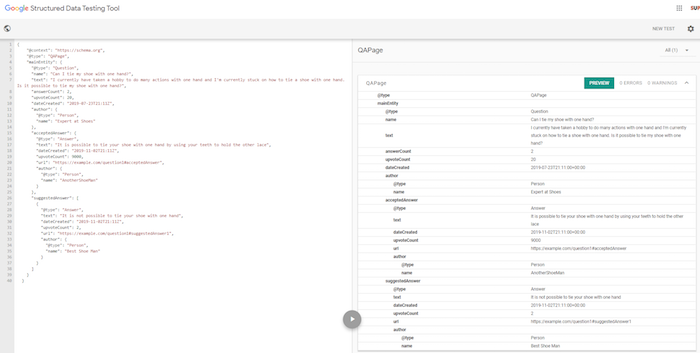
If you are unsure if your code is correctly implemented or not, use Google’s Structured Data Testing Tool and you can add your code snippet or the page that you implemented the schema on and it will tell you if you did it right or wrong.

Plus it will give you feedback on if there are any errors or issues with your code.

google structure data testing

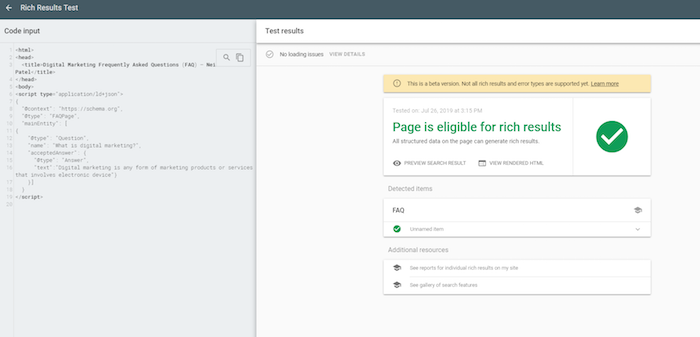
You can also try Google’s Rich Result Tester. This will give you a brief look at how your structured data will look like in the results!

google rich snippet

Getting results in under 30 minutes

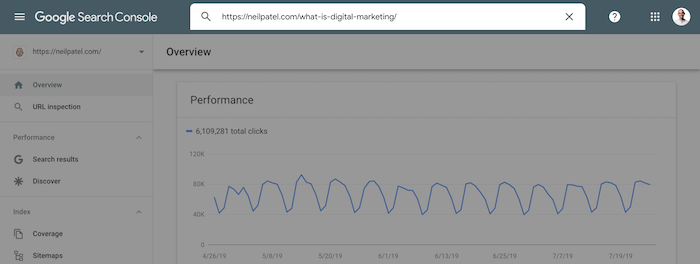
Once you make the changes to any page that you think is a good fit, you’ll want to log into Google Search Console and enter the URL of the page you modified in the top search bar.

add url

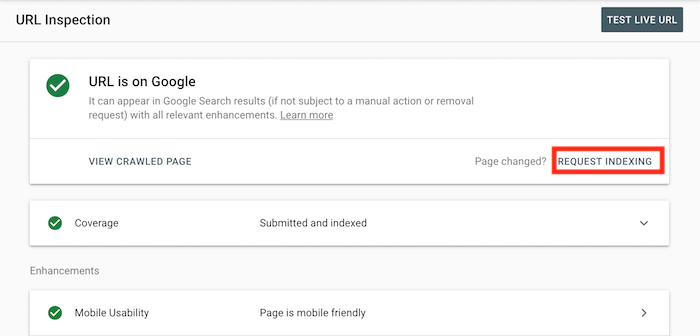
You’ll then want to have Google crawl that page so they can index the results. All you have to do is click “request indexing”.

request indexing

And typically within 10 minutes, you’ll notice it kick in and when you perform a Google search you’ll see your updated listing.

Now the key to making this work is to do this with pages and terms that already rank on page 1. That’s where I’ve seen the biggest improvement.

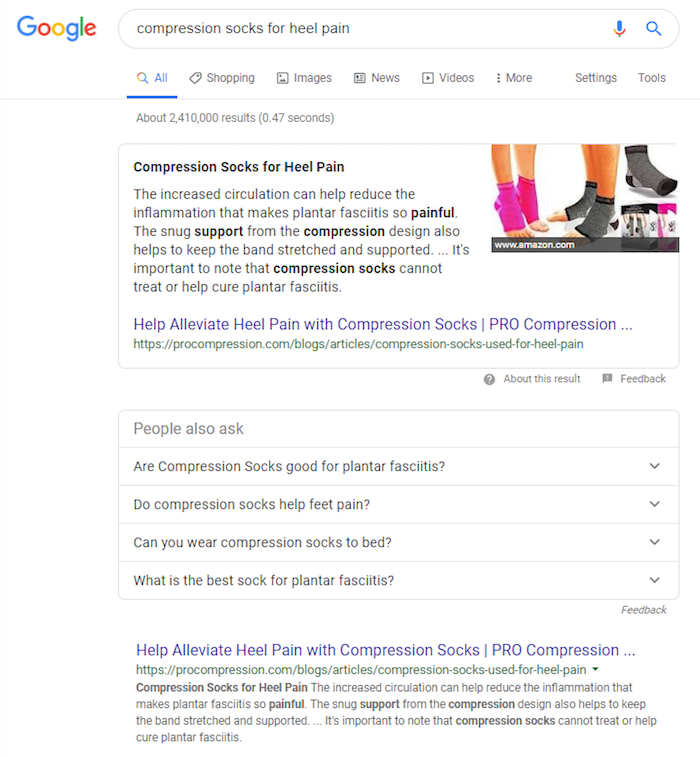
Will Schema get me to rank for People Also Ask and Featured Snippets?

Will this help with People Also Ask and Featured Snippets? So far, there has been no correlation between schema markup and People Also Ask or Featured Snippets and you do not need them to be featured in them.

Optimizing your content for this will not hurt you though and can potentially improve your chances to be on here.

Google has been testing out how they can show these types of Q&A, FAQ, and How-To results and looking at structured data to help understand them.

It’s better to be early to the game and help Google understand your pages, as well as possibly participating in any of Google’s experiments.

snippet

Will this get me on voice search?

With more and more people using mobile devices to find answers to questions, this is a very relevant question!

Especially considering that over half of the searches on Google will be from voice search in the near future.

Answers from voice search get most of their answers from featured snippets.

And adding structured data on your website increases the chances of getting you into featured snippets, which increases the chance of you getting featured on voice search.

Conclusion

This simple hack can potentially increase the visibility of your brand and help improve the authority of your website. It’s a simple solution that can take a single day to implement across your main question, product, or FAQ page.

I’ve been using it heavily for the last week or so and as long as I pick keywords that I already rank on page 1 for, I am seeing great results.

And as I mentioned above, when my team analyzed 10,000 sites we only found 17 to be using FAQ and QA schema. In other words, less than 1% of the sites are using this, which means you if you take advantage now, you’ll have the leg up on your competition.

So what do you think about this tactic? Are you going to use it?

The post Advanced Hack: How to Improve Your SEO in Less Than 30 Minutes appeared first on Neil Patel.


from Blog – Neil Patel https://ift.tt/2ypQTjI
via IFTTT

Content Marketing Planning: How to Build Your Editorial Calendar

Building an Editorial Calendar

Building an Editorial Calendar I can’t believe I got fired from the calendar factory. All I did was take a day off! Opening today’s post up with a bit of levity felt fitting, because calendars can cause much anxiety. They bring to mind deadlines, meticulous organization, and time crunches, which are often oppressive realities for marketers with a million things on their plates. But the truth is that you’re likely to encounter much more dread if you don’t house your content planning within a documented and strategic editorial calendar for blogging. Building out a set schedule (with a bit of flexibility) ultimately makes your life easier because it provides a guiding light, and ensures your content strategy remains cohesive and oriented around your objectives. In other words, editorial calendars are no joke. Here’s how you can construct one that seriously drives your company’s blog (or any other content initiative) forward. 

Fortify Your Editorial Calendar in Five Steps

Whether you’ve already got a content calendar, which you hope to refine and improve, or you’re starting from scratch, these five steps will put you on track.

Step 1: Crystallize Your Objectives

The biggest issue with many content plans is that they’re aimless and wayward. When you’re figuring things out on the fly, it can be difficult to tie everything back to the same goals and desired outcomes. So the first step is to zoom out and nail down what you’re trying to achieve with the content in question. For instance, if your blog is designed to generate leads with specific audiences, are you tethering each piece on your calendar back to this outcome in some way?  Placing objectives front-and-center is a key benefit of documenting your content strategy, and making them the underpinning of your planning will help ensure everything you publish has a purpose.  via GIPHY

Step 2: Chart Your Pillars and Timely Focuses

With objectives clearly defined, you can formulate content pillars that will serve as the cornerstones of your editorial calendar. Also known as topic clusters, these are the general categories that all of your content will nest under. Pillars are determined by the intersection of what you want to be known for, and where demand exists. They should be informed by SEO research around keywords and queries, hitting the sweet spot between search volume, expertise, and buying intent. Here on the TopRank Marketing Blog, our pillars are aligned with our agency’s core services — content marketing, SEO, influencer marketing — and so pretty much everything we create for the blog approaches these topics from various angles for people who are interested in learning about them and looking for insight. Don’t view content pillars as restricting; there are a wide range of ways you can address almost any topic, either directly or tangentially. Organizing your calendar around them will help ensure you stay focused, and relevant to your target audience. In addition to identifying a topical mix, you can start to define your content types — how-tos, thought leadership, influencer collaborations, conversion-driven pieces, etc. These can be aligned with various stages of the buying cycle, and mapped back to the key objectives established in Step 1. At this point, it’s also smart to map out industry events or seasonal milestones that you’ll want to create content around.  [bctt tweet="Don’t view content pillars as restricting; there are a wide range of ways you can address almost any topic, either directly or tangentially. @NickNelsonMN #ContentMarketing #ContentPlanning" username="toprank"]

Step 3: Coordinate with Your Broader Strategy

This is a vital consideration that is all too frequently overlooked. Whatever channel you’re scheduling content for — be it a blog, email, social, etc. — think about ways you can coordinate with other departments or disciplines in the organization. For example, does your sales team experience higher volumes of inquiries at certain times of year? Or are they attending a trade show next month that you could support with content? Maybe one of your executives will be speaking at a conference, and you want to queue up some thought leadership around the subject of their talk in the days leading up. A strong editorial calendar should reflect the company holistically. In this sense, it can be helpful to make your calendar visible to everyone and not just the folks on your team.  [bctt tweet="A strong editorial calendar should reflect the company holistically. @NickNelsonMN #ContentMarketing #ContentPlanning " username="toprank"]

Step 4: Plot Your Cadence and Schedule Out Your Content

How often will you create content? And why? We all know it’s valuable to publish regularly, because this is how you build an invested and trusting audience, but “regularly” can mean different things under different circumstances. Is it daily? Three times a week? Multiple times per day? This decision shouldn’t driven by guesswork, but by data.  Although it’s a little older now, HubSpot has a helpful post on determining how often companies should blog based on variables like company size and B2B vs. B2C. But you’ll also want to dig into your own visitor behavior analytics and draw conclusions on what your audience wants. Test different cadences and compare the impacts. As a general rule, more publishing equals more traffic, but that doesn’t necessarily mean it’ll be worth your while to create new content each day.  As Alfred Lua of Buffer writes: “I would recommend experimenting and finding a suitable editorial cadence based on your content goals and the amount of time you have. There is no one right editorial cadence. HubSpot publishes several articles a day while Backlinko publishes less than once a month.” (As a side note, we highlighted Backlinko’s quality-over-quantity approach here earlier this year.) Having made this decision, you can start filling out the calendar appropriately, using your content pillars and organizational directives as guides. Plan as far out as you’re comfortable (at least one month, but forecasting three or more months is even better). Make sure you’re building in enough topical variety to keep things fresh and diverse. Once you get your schedule documented, it becomes easy to spot gaps or overloads. 

Step 5: Leave Room for Change

Note that you don’t want to completely fill out your editorial calendar. As we mentioned earlier, it’s important to leave some flexibility so you can nimbly address timely matters as they arise and account for the (expected) unexpected. Contently editor-in-chief Jordan Teicher proposes a 75/25 rule, wherein one out of every four slots in your calendar is left blank.  “In my years managing the site, I’m certain of one thing: s*** happens,” Teicher writes. “People miss deadlines. Sources don’t respond in time. The design team can’t find the right image. My day gets stuffed with meetings, which prevents me from editing a draft. A flexible content calendar is about more than just coming up with ideas for the current news cycle. It’s also about realistic expectations.”

Smart Practices for Getting the Most Out of Your Editorial Calendar

The five steps above will help you solidify your calendar. Here are a few additional tips to help make the process smoother and more effective.
  • Hold group brainstorming sessions. Usually, the toughest thing about building out a content calendar is coming up with enough concepts to fill it in. I recommend setting up a time where a bunch of your creatives come together to load up the pipeline with ideas (run these ideas past your content pillars and SEO research to assess strategic viability). Make sure to incorporate voices from various departments. 
  • Slice up and repurpose. It’s always valuable to get the most mileage possible out of your content. If you’ve got a big, meaty blog post planned on a certain subject, why not divvy it up into three parts and run it as a series? If you’re looking for a reliable performer next month, why not take your most successful piece from last month and flip it into an infographic, or conceive a follow-up post that expands on it? Repurposing is a great way to get the most out of your content leftovers.
  • Lean on the right tools. For some content teams, a spreadsheet or even a Word doc can be sufficient for organizing your editorial calendar. In other cases, this initiative can be run through your project management software. But for high-volume teams with many elements to track and account for, it might be helpful to go with a dedicated content-centric solution. There are plenty of them out there, including Contently, DivvyHQ, Kapost, CoSchedule, and more.
  • Create comprehensive coverage. What this looks like can vary in different scenarios. It might mean approaching your topical pillars with best-answer content that addresses every subtopic your customers are interested in learning about (especially those queries carrying any level of purchase intent). If you’re in a crowded niche, it might mean gobbling up every bit of white space your competitors are missing. If your content is oriented toward B2B buyers, it might mean creating content for every role on distributed buying committees, and speaking to each stage of a lengthy purchase cycle. 

Right on Schedule

If you feel apprehensive about building an editorial calendar from scratch, you’re not alone. It can feel intimidating to schedule out so far in advance, and to consistently manage and maintain this resource. But I assure you, once you get into the groove, your life will be much easier and your results will improve.  Following the steps and recommendations above will help you stay on target and derive maximum value from your efforts. Want to add further efficiency and foresight to your strategy? Learn more about getting ahead with your content planning. 

The post Content Marketing Planning: How to Build Your Editorial Calendar appeared first on Online Marketing Blog - TopRank®.


from Online Marketing Blog – TopRank® https://ift.tt/2YbjSal
via IFTTT